From Prospect to Phenom: Tracking the Next Generation of Superstars
9 November 2026
In the competitive world of sports, emerging talent often garners attention for their potential to become the next big names in their respective fields. The journey from prospect to phenom is not just about raw talent; it involves a mix of skill development, mental fortitude, and sometimes a bit of luck. This article delves into the nuances of tracking these future superstars, offering insights into how they can be identified, nurtured, and ultimately transformed into household names.

Understanding the Prospect Pipeline
The Early Stages: Identifying Talent
Talent identification begins at a young age. Coaches, scouts, and talent evaluators often look for specific attributes that indicate potential. In sports like basketball, attributes such as height, agility, and shooting accuracy are significant. In soccer, skills like dribbling, speed, and tactical awareness come into play.Key Attributes to Assess
- Physical Skills: Speed, strength, and endurance are foundational. However, these attributes need to be assessed in context. A player might be fast but lacks control, which is crucial for sports like football or soccer.- Technical Skills: Mastery over the fundamental skills of the sport is essential. For instance, a baseball player's batting technique and a golfer's swing mechanics are critical early indicators of potential.
- Mental Toughness: Often overlooked, mental resilience can distinguish a good player from a great one. This includes the ability to handle pressure, learn from mistakes, and maintain focus during competition.
Scouting Networks and Their Role
Scouting networks play a vital role in identifying prospects. These networks often consist of former athletes, coaches, and analysts who have a keen eye for talent. They attend games, tournaments, and showcases to evaluate players in real-time.The Importance of Game Context
A player's performance can vary significantly based on the context of the game. For example, a quarterback may shine in a high school championship but struggle in a college environment. Evaluators must consider factors like competition level, team dynamics, and player roles.The Role of Analytics
In recent years, data analytics has transformed talent evaluation. Advanced metrics provide insights into player performance that traditional scouting might miss. For instance, in basketball, metrics such as Player Efficiency Rating (PER) and Effective Field Goal Percentage (eFG%) offer a deeper understanding of a player's contribution beyond basic stats.Balancing Data and Intuition
While analytics are powerful, they should complement, not replace, traditional scouting methods. A player who excels in data metrics may not fit the team's culture or system. Coaches must balance quantitative data with qualitative insights.
Development Pathways: Nurturing Young Talent
The Importance of Coaching
Once potential is identified, effective coaching becomes paramount. Coaches must create a development plan tailored to each athlete's strengths and weaknesses.Building a Strong Foundation
Young athletes should focus on mastering fundamental skills before specializing. For example, a young soccer player should develop dribbling, passing, and shooting skills before focusing solely on goal-scoring. This approach ensures a well-rounded athlete who can adapt to various situations.Training Regimens and Best Practices
A well-structured training regimen is critical for growth. Athletes should engage in a mix of skill training, strength conditioning, and mental preparation.The Role of Cross-Training
Cross-training can enhance an athlete's overall capabilities. For instance, a basketball player might benefit from swimming to improve cardiovascular fitness while reducing the risk of injury. Coaches should encourage diverse training methods that promote agility, strength, and endurance.Mental Conditioning
Mental conditioning is often the differentiator for elite athletes. Techniques like visualization, mindfulness, and goal setting can enhance performance under pressure.Common Mistakes in Mental Training
One common misconception is that mental training is only necessary for high-stakes competitions. In reality, athletes should integrate mental conditioning into their daily routines. Ignoring this aspect can lead to performance plateaus or declines.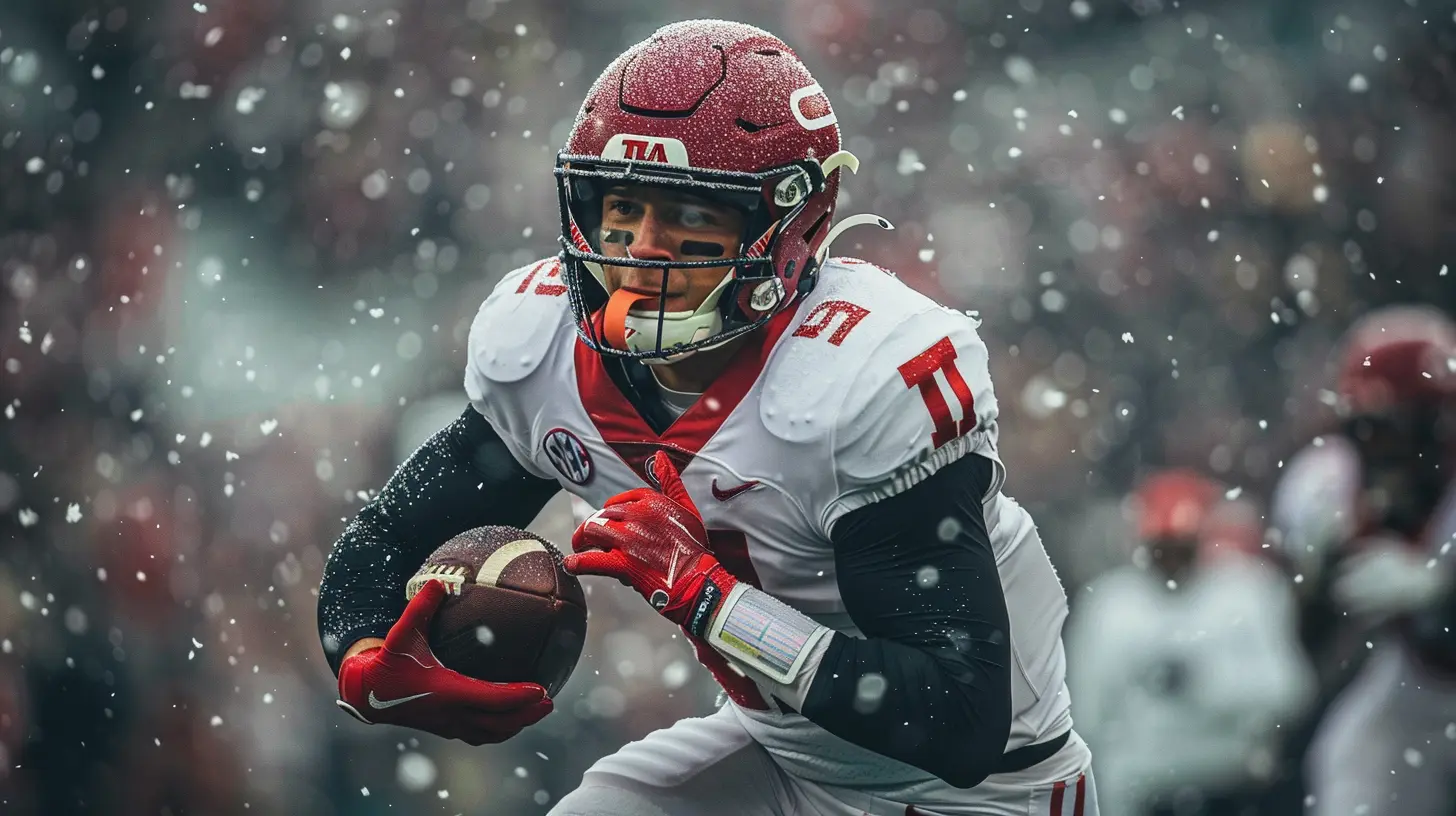
The Transition to Professional Levels
Navigating the Draft and Recruitment Process
As athletes approach the end of their amateur careers, the transition to professional levels often involves a draft or recruitment process. This stage can be daunting, and understanding the intricacies is essential.Factors Influencing Draft Stock
Several factors can influence an athlete's draft stock, including performance in college or junior leagues, physical measurements, and interviews with scouts. Athletes should prepare for this process by honing their skills and presenting themselves professionally.The Role of Agents
Agents play a crucial role in navigating contracts and endorsements. Choosing the right agent can significantly impact an athlete's career trajectory.Evaluating Agent Options
Athletes should look for agents with a strong track record and connections within the industry. A good agent will not only negotiate contracts but also provide career guidance and marketing strategies.
The Importance of Brand Building
Establishing a Personal Brand
In today's digital age, athletes must pay attention to their personal brand. Social media presence, public relations, and community engagement can enhance visibility and marketability.Strategies for Effective Branding
- Social Media Engagement: Athletes should actively engage with fans and share their journey. Authenticity resonates with audiences, so sharing personal stories and insights can build a loyal following.- Community Involvement: Participating in community events or charitable causes can enhance an athlete's image. It shows a commitment to making a positive impact beyond the field.
Common Pitfalls in Brand Management
One common mistake is neglecting brand consistency. Athletes should ensure their public persona aligns with their on-field performance. Any discrepancies can lead to confusion or damage their reputation.Transitioning to Stardom: The Final Steps
Maintaining Performance Levels
Once an athlete reaches a professional level, maintaining performance becomes paramount. This involves continuous skill development, physical conditioning, and mental focus.The Importance of Feedback
Regular feedback from coaches and peers can help athletes identify areas for improvement. Constructive criticism should be embraced, as it fosters growth and development.The Role of Adaptability
In professional sports, adaptability is crucial. Athletes must be willing to adjust their techniques, strategies, and even positions based on team needs and evolving competition.Real-World Examples
Consider the case of a professional basketball player who transitioned from a shooting guard to a small forward. This shift required adapting to different defensive responsibilities and offensive strategies. Athletes who embrace change often find greater success.
Conclusion: The Journey from Prospect to Phenom
The journey from prospect to phenom is complex and multifaceted. Identifying talent, providing effective coaching, navigating the professional landscape, and building a personal brand all contribute to an athlete's success.By understanding the intricacies of this journey, aspiring athletes, coaches, and scouts can better navigate the path to stardom. The next generation of superstars is out there, and with the right guidance, they can realize their full potential.
all images in this post were generated using AI tools
Category:
Sports JournalismAuthor:

Ruben McCloud
Discussion
rate this article
1 comments
Dylan McQuillan
Exciting times! Future stars are on the rise!
November 9, 2026 at 1:03 PM