The Role of Recovery Time in the Decision to Use Performance Enhancers
1 May 2026
When it comes to sports, the conversation around performance enhancers (PEDs) is always a hot topic. From athletes in the elite ranks to hobbyists trying to shave seconds off their personal best, the lure of these substances is undeniable. But why? What drives someone, especially an athlete, to risk their reputation, their health, and sometimes even their career to take shortcuts? One major factor, often overlooked, is recovery time.
Recovery plays a crucial role in performance. It’s not just about how hard you can push yourself during a workout or how fast you can run during a competition. It’s about how quickly you can bounce back and do it all over again. This is where the temptation of PEDs comes into play. The promise of faster recovery times can be incredibly enticing, especially when the pressure to perform is intense. But let’s break it down a bit more.
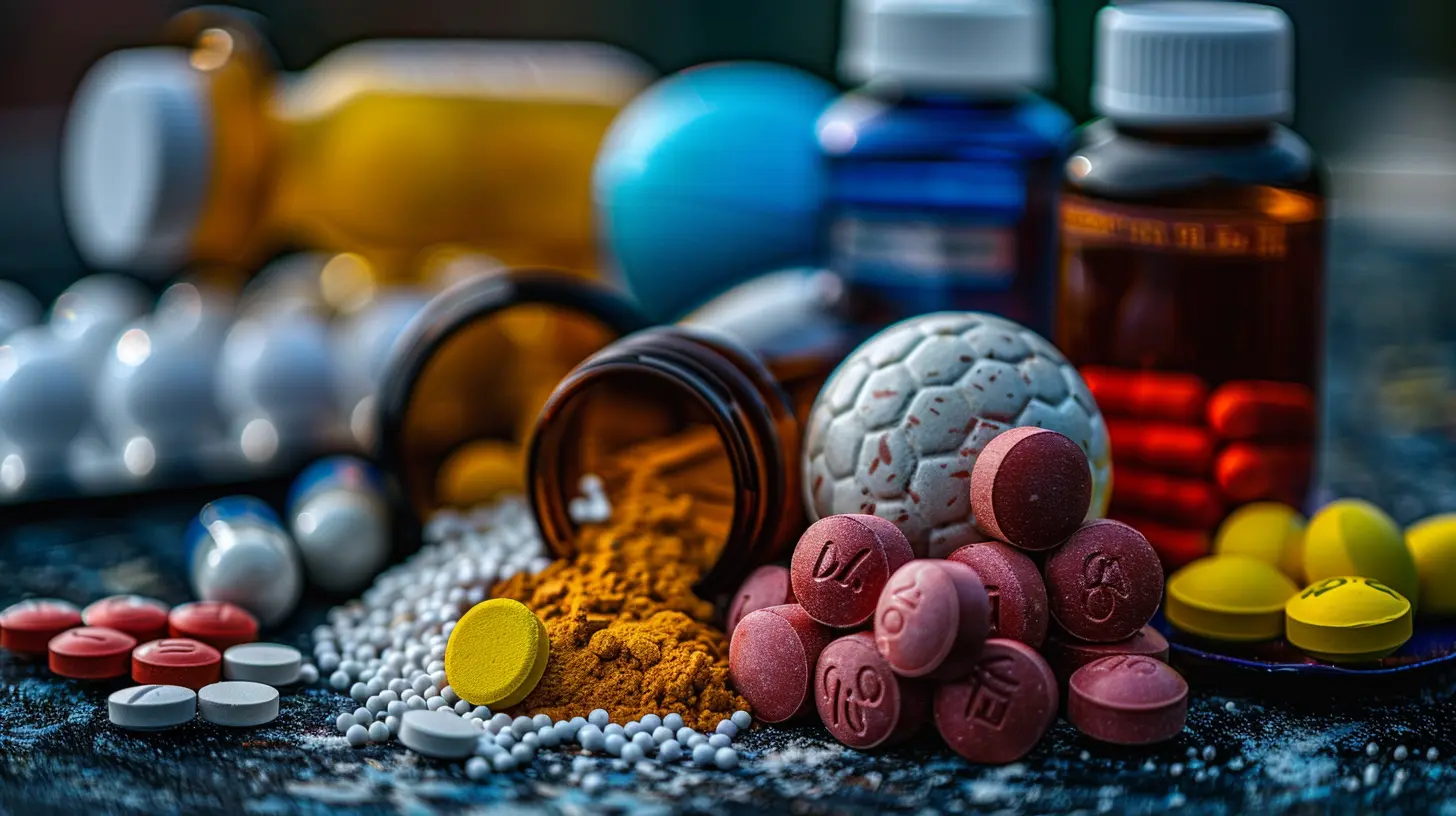
Recovery Time: The Athlete’s Silent Struggle
For many people, recovery often feels like a passive process. You work out, you rest, and your body naturally heals itself, right? Well, it’s a bit more complex than that, especially for athletes at the top of their game.Recovery time is about how quickly your muscles can repair themselves, how fast your energy levels can return to normal, and how soon you can push your body to the limit again without risking injury. The faster you recover, the more frequently you can train. The more frequently you train, the better your chances of improving performance.
But recovery doesn't happen at the same rate for everyone. Factors like genetics, diet, sleep, and even mental stress can drastically affect how long it takes for you to recover from a hard session. For some, the recovery process can feel like a constant battle, especially when deadlines, competitions, or even just the desire to improve are looming over their heads. And this is where the allure of performance enhancers creeps in.
The Pressure to Recover Quickly
Think about it: If you’re an athlete with a big tournament coming up and you feel like you’re not recovering fast enough, what do you do? You can’t afford to take time off. Rest days feel like missed opportunities to get stronger, to get faster, or to sharpen your skills. The clock is always ticking, and every minute spent recovering is a minute not spent improving.Now, imagine there’s a substance that promises to help you recover faster. Maybe it’s a steroid, a hormone, or some other PED that’s been making the rounds in the locker room. You’ve seen other athletes use it and bounce back in record time. Their muscles seem stronger, their endurance levels are through the roof, and they’re not dealing with the nagging soreness you’ve been struggling with for weeks. The temptation is real.
It’s not just about gaining an edge over your competitors. Sometimes, it’s simply about keeping up—staying in the game and not getting left behind. When recovery time becomes a barrier to your performance goals, PEDs can seem like a quick fix.
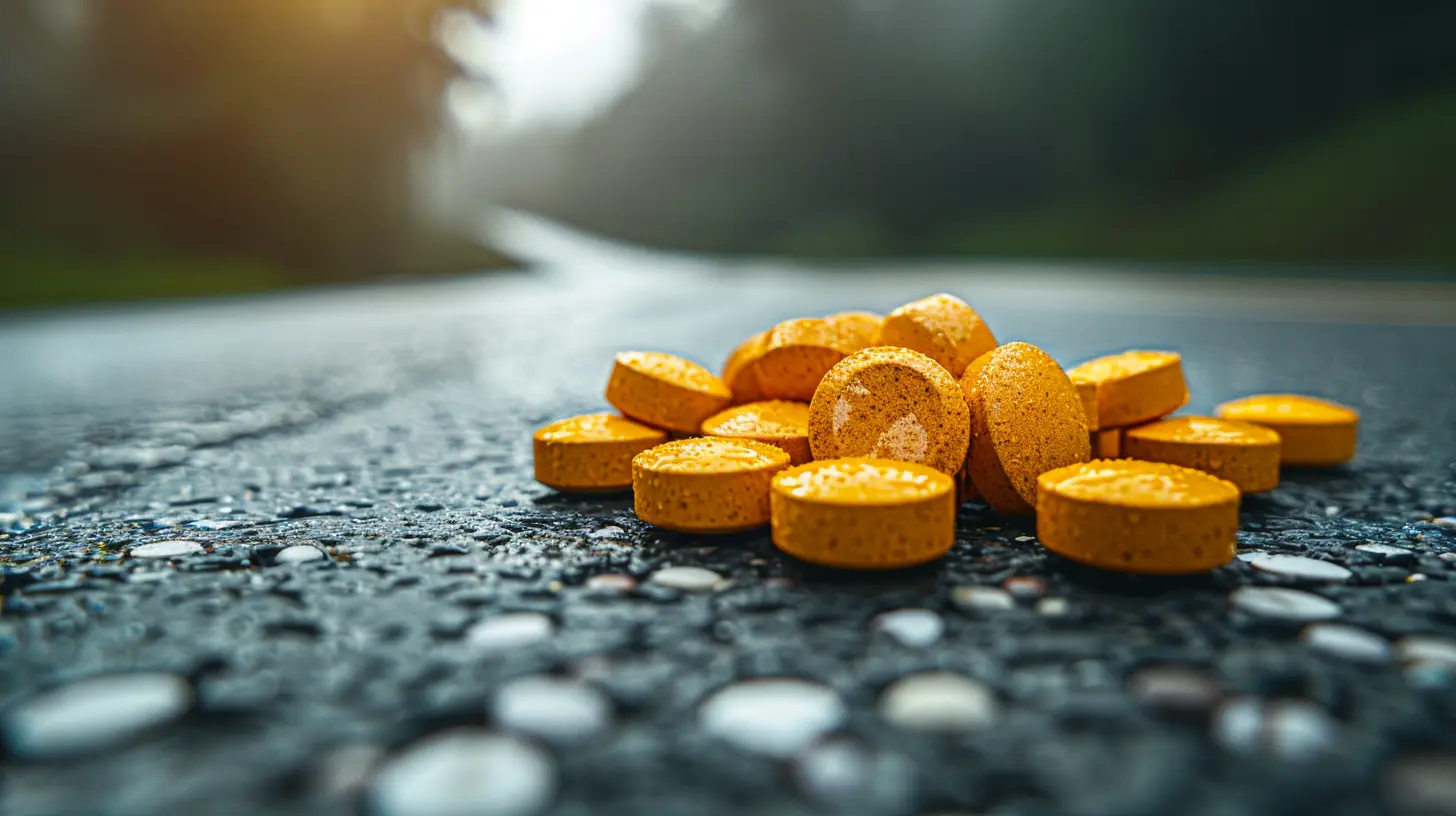
How Performance Enhancers Affect Recovery
Let’s get into the nitty-gritty. How exactly do performance enhancers impact recovery?In general, PEDs can speed up the recovery process by stimulating muscle repair, reducing inflammation, and boosting energy levels. For example, anabolic steroids promote muscle growth by increasing protein synthesis in the muscles, helping them recover and grow faster after stress. Human growth hormone (HGH) can also speed up recovery by stimulating tissue regeneration and reducing muscle damage.
By cutting down recovery time, PEDs allow athletes to train harder and more frequently, which in turn can lead to significant performance gains. But, of course, there’s a catch.
The Dark Side of Faster Recovery
While performance enhancers may seem like a miracle solution to quicker recovery, they come with a hefty price tag. And I’m not just talking about the financial cost of obtaining these substances, which can be astronomical. We’re talking about the risks to your health, your career, and even your long-term well-being.PEDs can have serious side effects. Anabolic steroids, for example, can cause damage to the liver, heart, and kidneys. They can also mess with your hormonal balance, leading to mood swings, aggression, and even infertility. HGH has been linked to joint pain, swelling, and an increased risk of diabetes and cancer.
Then, of course, there’s the ethical side of things. Most sports organizations have strict anti-doping policies, and athletes caught using PEDs face suspensions, fines, and a tarnished reputation. Just ask Lance Armstrong or Marion Jones. Their legacies are forever tainted by their decisions to use PEDs.
But even with all these risks, the pressure to recover faster and perform better can push athletes to make these questionable decisions. It’s a classic case of short-term gain versus long-term pain.

The Mental Aspect of Recovery and PEDs
Recovery isn’t just physical. There’s a strong mental component to it as well. Training and competing at a high level takes a toll on the mind, and the pressure to perform can lead to anxiety, stress, and even burnout. For athletes, taking time off to recover can feel like a weakness. They might think, “If I rest, I’m falling behind. If I’m not constantly pushing myself, I’ll never reach my goals.”This mentality can be dangerous. The drive to constantly push harder, lift heavier, and run faster can lead to overtraining, which, ironically, slows down recovery even more. And when athletes feel like their natural recovery process is failing them, they may turn to PEDs as a way to “fix” the problem.
PEDs don’t just promise physical recovery—they offer a psychological boost as well. The idea that you can train harder, recover faster, and perform better without feeling the burn can be incredibly appealing. But again, the mental relief provided by PEDs is often short-lived and comes with long-term consequences.
PEDs as a Shortcut
At the end of the day, using performance enhancers is often seen as a shortcut. It’s a way to bypass the hard work, the patience, and the discipline required to recover naturally and improve performance over time. But like all shortcuts, it doesn’t come without its downsides.Recovery is a natural part of the training process. It’s your body’s way of saying, “Hey, give me a minute. I need to rebuild, restore, and get back on track.” Sure, it can be frustrating to feel like recovery is holding you back, but it’s also what keeps you safe, healthy, and performing at your best in the long run.

Alternatives to PEDs for Better Recovery
So, what’s the alternative? How can athletes improve their recovery time without resorting to performance enhancers?1. Prioritize Sleep
Sleep is one of the most underrated recovery tools out there. When you sleep, your body goes into repair mode, releasing growth hormones that help rebuild muscles and tissues. Aim for 7-9 hours of quality sleep per night, and you’ll notice a big difference in how quickly you recover.2. Focus on Nutrition
What you eat plays a huge role in how well your body recovers. Make sure you’re getting enough protein to support muscle repair, and don’t forget about carbs and fats for energy. Hydration is also key—dehydration can slow down the recovery process, so drink plenty of water throughout the day.3. Active Recovery
Sometimes the best way to recover is to keep moving. Low-intensity activities like walking, swimming, or yoga can help increase blood flow to your muscles, speeding up the recovery process. Plus, it keeps you mentally engaged without putting too much strain on your body.4. Mind Your Mental Game
Recovery isn’t just about the body. Taking care of your mental health is just as important. Meditation, mindfulness, and even talking to a sports psychologist can help you manage the mental stress that comes with training and competing.5. Consistency Over Intensity
It’s tempting to go all out in every training session, but sometimes less is more. A consistent, well-rounded training program that balances hard workouts with adequate recovery time will help you make long-term gains without burning out or getting injured.Conclusion
The role of recovery in the decision to use performance enhancers cannot be understated. Athletes, especially those under high pressure, often feel like they need to recover faster to stay competitive. And when natural recovery processes feel too slow, PEDs can seem like a tempting shortcut. But with the physical, mental, and ethical risks involved, it’s clear that PEDs are not the answer. Instead, focusing on natural recovery methods—like sleep, nutrition, and mental well-being—can lead to sustainable performance improvements without the dangerous side effects.In the end, there are no real shortcuts in sports. Recovery is just as important as training, and taking the time to let your body heal will pay off in the long run.
all images in this post were generated using AI tools
Category:
DopingAuthor:

Ruben McCloud
Discussion
rate this article
1 comments
Selah Coleman
Recovery time is crucial; no shortcuts to true performance.
May 15, 2026 at 3:11 AM
Ruben McCloud
Absolutely, recovery time is essential. Skipping it can lead to setbacks, no matter the performance strategies used.