How Charity Games Are Bridging the Gap Between Fans and Athletes
1 March 2026
Let’s be honest—sports aren't just about final scores and championship rings. They're about connection. The love for the game binds fans, players, and communities together. But in today’s media-driven, high-stakes world of massive paychecks and celebrity egos, that connection can sometimes feel a bit, well... distant.
Enter the game-changer: charity games. These aren't your average exhibition matches. They’re the unsung MVPs of the sports world. They don’t just put smiles on faces—they build bridges, tighten bonds, and remind us all that above the flashy lights and big brands, there are real people behind the jerseys.
In this piece, we’re diving deep (and we mean deep) into how charity games are single-handedly changing the game—turning spectators into participants, creating unforgettable memories, and letting fans and athletes meet in the middle. So grab your favorite team hoodie, and let’s break this down.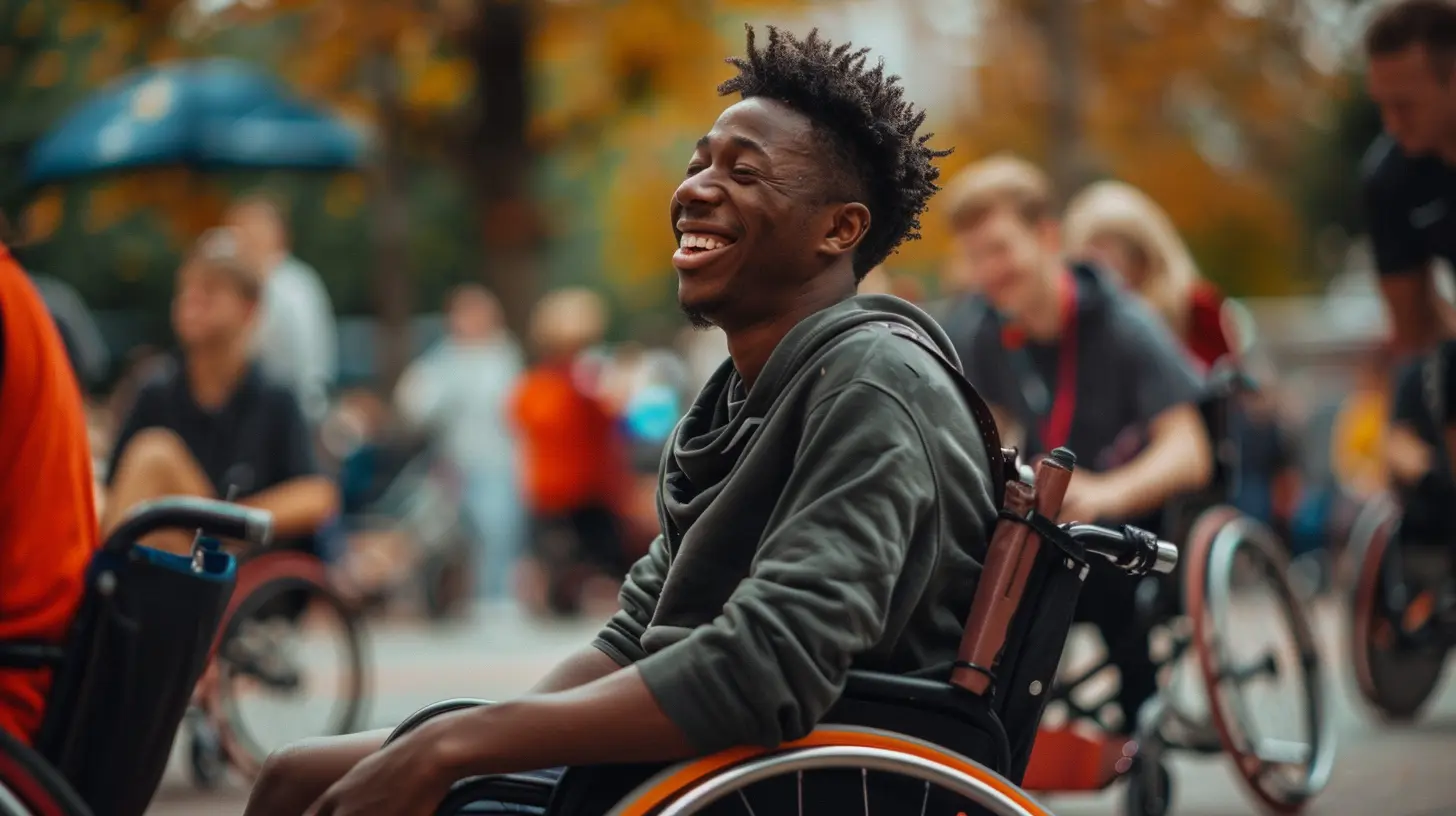
What Are Charity Games, Anyway?
Let’s keep it simple. Charity games are sporting events organized with one big goal in mind—giving back. These events often feature current athletes, retired legends, celebrities, and even fans themselves, playing not just for the win, but for a cause that matters.Whether it’s raising money for cancer research, supporting children’s hospitals, or helping communities after natural disasters, the mission is always rooted in something bigger than the game. That’s what makes them so special.
Imagine seeing NFL stars throwing passes to kids or NBA veterans teaming up with YouTube influencers. Sounds wild, right? But that’s what makes these events not only entertaining—but meaningful.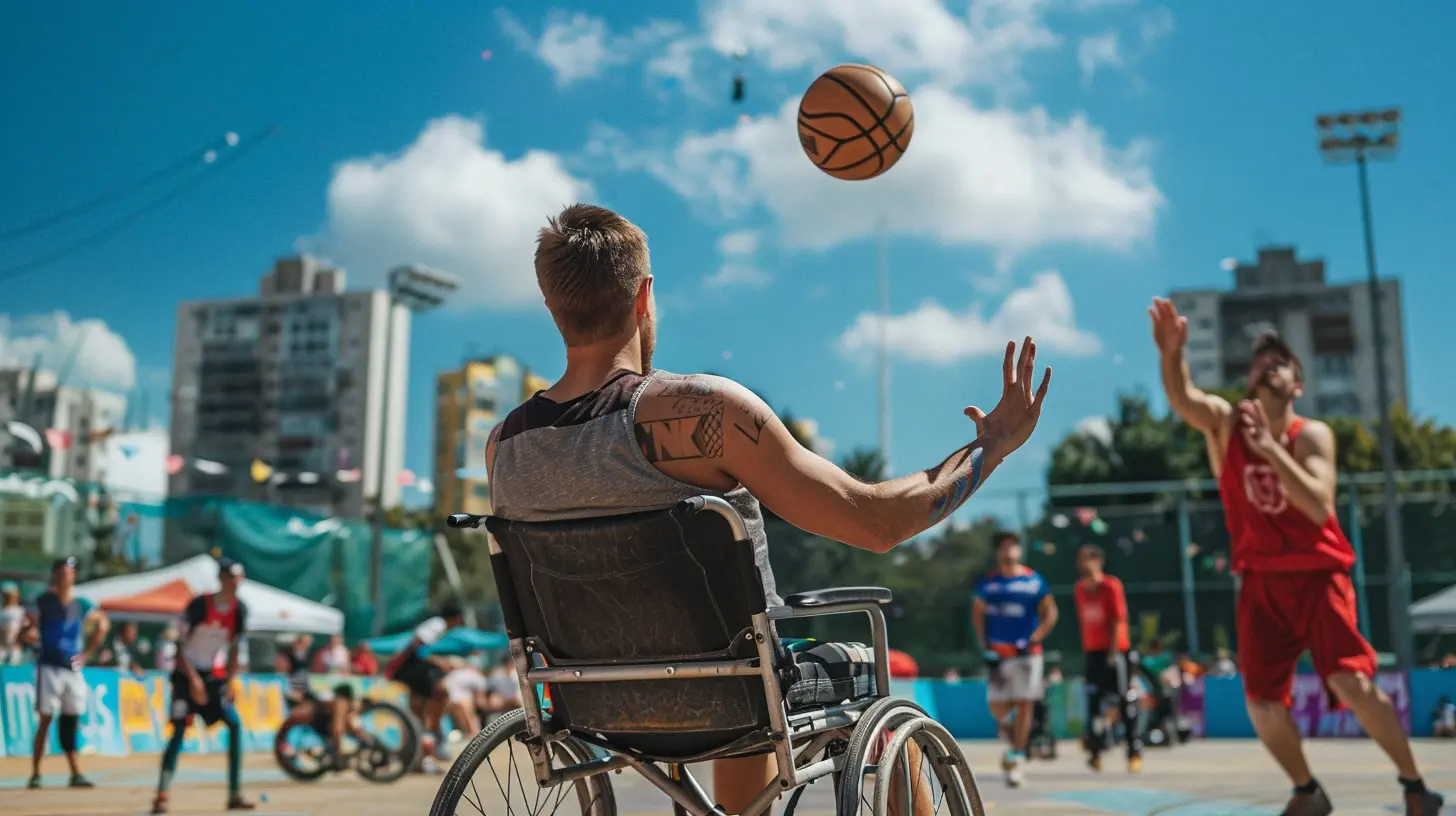
Humanizing the Superhuman
It’s easy to get starstruck. Athletes today are global icons. They’ve got millions of followers, brand deals, and on-field swagger. But when you see your favorite soccer player kicking the ball around with some 10-year-old kid who’s fighting leukemia? Suddenly, that athlete feels real.Charity games strip away the glitz. There are no points on the line. No intense rivalries. Just people—having fun, showing heart, and making a difference together. It’s like peeling back the curtain and realizing that even superstars have human hearts.
And the fans? They eat it up. Because who wouldn’t want to see their idol being goofy, cracking jokes, and hugging fans on the sidelines?
The Magic of Accessibility
Here’s something major: charity games make athletes accessible.In your typical pro sports setting, athletes are untouchable. Sure, you might score a selfie during warm-ups or snag an autograph if you’re lucky. But charity events? They flip the script.
Players are often mic’d up, chatting with fans, laughing it out, and even engaging directly through social media. Some games let fans vote on lineups. Others auction off spots to play in the game. I mean, how wild is that? One minute you’re watching your favorite player on TV, the next you’re sharing a court, a field, or a rink with them.
These moments are the stuff of dreams—and they make lifelong fans out of casual spectators.
Social Media’s Role in Amplifying the Hype
Let’s talk about the real MVP behind charity games: social media. Platforms like Instagram, Twitter, and TikTok are turbo-charging fan-athlete interactions.A charity game today isn’t just a local event—it’s a viral movement. Clips of heartwarming moments, hilarious bloopers, and post-game hugs circulate faster than a Steph Curry three-pointer.
And here’s the kicker: fans feel involved even if they weren’t there. Hashtags trend, streams go live, and comment sections blow up. It’s not just about witnessing the event—it’s about feeling part of it. It’s like a digital group hug that spans oceans.
Athletes Using Their Platform for Good
Professional athletes have influence—like, serious influence. And when they use that clout to do good? That’s where the magic happens.Charity games allow athletes to spotlight causes they care about. Some launch foundations around these events. Others use them to rally support for global issues. Either way, they’re showing that sports heroes aren’t just putting points on the board—they’re putting good energy into the world.
When fans see this, it hits different. It fosters loyalty. It deepens respect. And it builds a fan base that champions the person, not just the player.
Building Stronger Communities, One Game at a Time
Let’s zoom out for a second.Charity games aren't just for fans and athletes—they’re for everyone. Local businesses sponsor booths. School bands play in halftime shows. Entire communities rally behind the cause.
The result? A powerful sense of togetherness.
These events often attract people who wouldn’t normally attend a professional game—families, kids, even people who aren’t major sports fans. But when they come for a good cause, they leave with a new appreciation for the game—and the people who play it.
It’s like sports become the glue that binds it all together.
Real-Life Examples That Hit You Right in the Feels
Let’s highlight a few jaw-dropping charity games that really show the magic:- The NBA All-Star Celebrity Game – A mix of athletes, musicians, actors, and influencers playing for charity. And let’s be real, watching Justin Bieber trying to dunk is pure gold.
- JJ Watt’s Hurricane Harvey Relief Game – This event raised millions to help Houston recover after devastation. Talk about using your platform for impact.
- Soccer Aid by UNICEF – International legends and celebs playing to raise funds for children in need. The player mix, the banter, the vibes—it’s a global hit every time.
These aren’t just games; they’re emotional powerhouses that touch lives and inspire change.
A Two-Way Street: What Athletes Get From It
You might be thinking: “Sure, fans get a lot from charity games. But what about the athletes?”Glad you asked.
Charity games give players a break from pressure. No media scrutiny. No championship implications. Just play, fun, and purpose.
It’s a chance for athletes to reconnect with why they started playing in the first place. They smile more, relax more, and often say these matches are the highlight of their season.
And emotionally? It hits home. When they meet the people they’re helping—kids in need, families fighting illness—it’s a reminder that their platform can impact lives in ways no championship ever could.
Why the Future of Sports Needs More Charity Games
Let’s get real: the sports industry can feel pretty jaded sometimes. With scandals, egos, and endless arguments over salaries, it’s easy to forget the heart of it all.Charity games bring that heart back.
They show us the best parts of sports—connection, compassion, community. And as more athletes step up, more fans engage, and more causes benefit, we’re seeing a movement form.
This isn’t just a trend. It’s the future.
We need more of these moments. More laughter instead of trash talk. More hugs instead of rivalries. More purpose beyond the scoreboard.
Because in the end, charity games remind us all that sports have the power to heal, unite, and inspire.
Final Whistle: Why This Matters
So, what did we learn?Charity games are more than feel-good fluff. They're strategic, impactful, and downright magical. They turn passive fans into active participants. They humanize athletes. They create community. And most importantly, they change lives—on and off the field.
So next time you hear about a charity match? Don’t just scroll past. Buy a ticket. Tune in. Spread the word. Get involved.
Because when athletes and fans team up for a cause, amazing things happen.
And that, my friends, is how you redefine the game.
all images in this post were generated using AI tools
Category:
Charity GamesAuthor:

Ruben McCloud
Discussion
rate this article
2 comments
Bria Hines
Charity games transform the typical fan-athlete dynamic into a powerful alliance, blending competition with compassion. By allowing fans to engage directly with their idols for a cause, these events not only elevate social responsibility but also redefine what it means to be part of a sports community.
March 29, 2026 at 5:19 AM
Ruben McCloud
Thank you for your insightful comment! Charity games indeed create meaningful connections between fans and athletes, fostering a sense of community and shared purpose.
Misty Carter
What an interesting concept! How exactly do these charity games foster deeper connections between athletes and their fans? Curious minds want to know!
March 2, 2026 at 5:35 AM
Ruben McCloud
Charity games create intimate settings where athletes and fans interact personally, share experiences, and unite for a common cause, fostering trust and emotional connections beyond the typical spectator experience.