How Charity Sports Events Are Raising Awareness for Rare Diseases
18 June 2026
Have you ever laced up your sneakers for a 5K or cheered from the sidelines at a charity football match? If so, you’ve probably witnessed something truly special—people coming together, not just to play or watch a game, but to fight for a cause that’s bigger than themselves. Today, we’re diving into how charity sports events are doing something powerful: raising awareness for rare diseases. This isn't just about competition—it's about compassion, community, and creating change through movement.
Let’s unpack how sports, sweat, and solidarity are teaming up to shine a spotlight on some of the most overlooked medical conditions out there.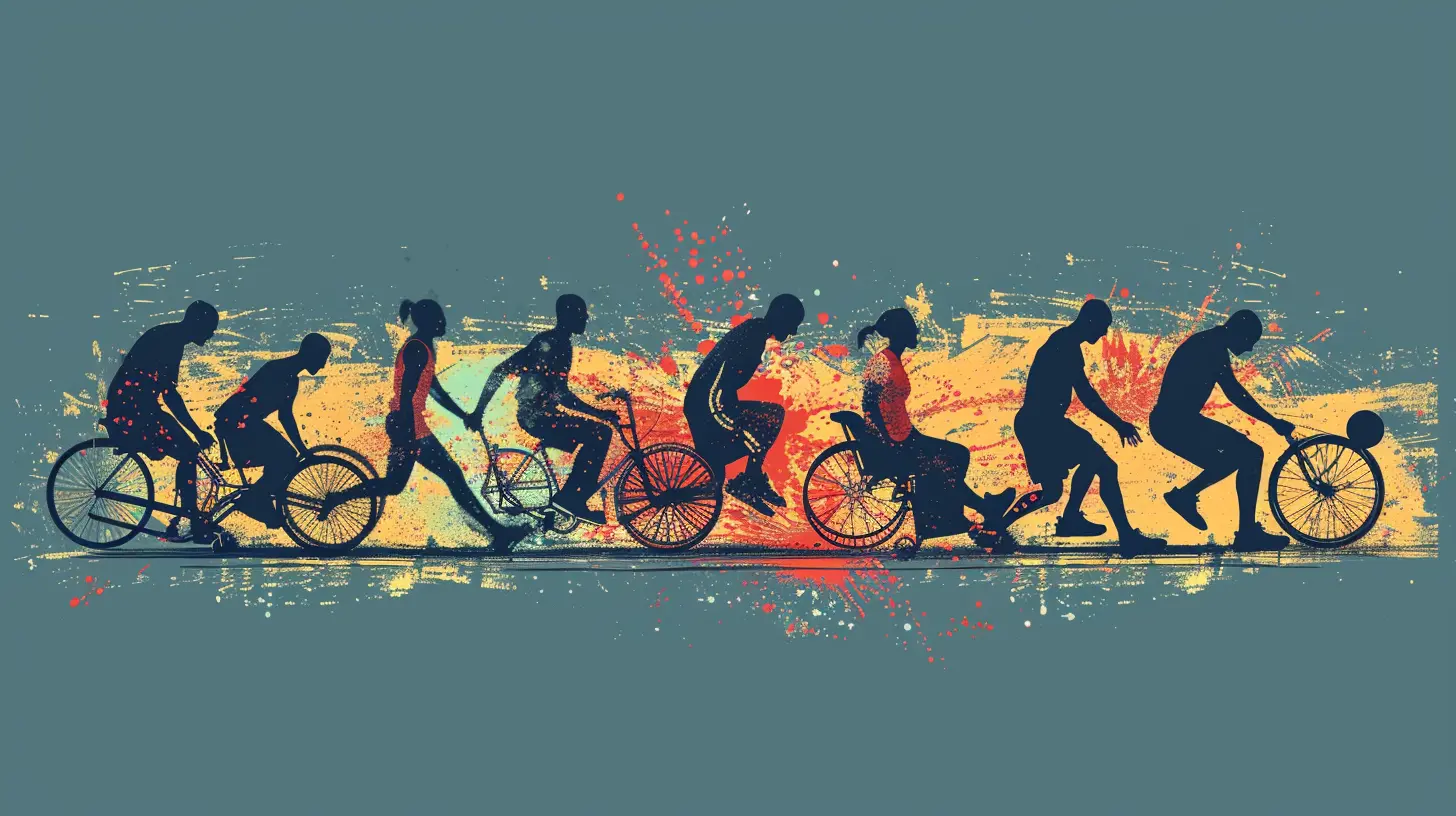
What Are Rare Diseases, Anyway?
Let’s start with a basic question—what even qualifies as a rare disease?A rare disease is typically defined as one that affects fewer than 200,000 people in the United States. Sounds like a small number, right? But here’s the kicker—there are over 7,000 different rare diseases, and when you add it all up, over 300 million people around the world are living with one. That’s nearly the population of the U.S.!
The problem? These conditions often don’t get the attention or funding they deserve. Many patients bounce around for years without a proper diagnosis. Treatments are rare, research is underfunded, and the sense of being “invisible” can be overwhelming. That’s where charity sports events can make a world of difference.
The Power of Sport: Uniting People for a Cause
Sports have this magical way of bringing people together. Think about it—have you ever felt the energy in a stadium when your team is scoring? Or the camaraderie you feel running alongside someone who’s gasping for breath just like you at mile 3?Now imagine channeling that energy into something that truly matters—raising awareness and funds for rare diseases.
Charity sports events tap into our natural desire to be part of something bigger. Whether it's a marathon dedicated to cystic fibrosis or a soccer match supporting children with Batten disease, these events use physical activity as a platform for advocacy.
Real People, Real Stories: Giving Rare Diseases a Human Face
One of the most heartbreaking things about rare diseases is how isolating they can be. When you’ve got something so few people understand, it’s easy to feel alone.But during charity sports events, patients and their families are at the center of it all. They aren’t just names on a donation page—they’re the ones cutting the ribbon at the race, giving speeches at halftime, and holding photos of loved ones as balloons are released into the sky.
These events put a human face on statistics. They introduce personal stories that tug at the heartstrings and make the issue real for everyone involved. And you know what? That’s when people start to truly care.
Raising Funds While Raising Awareness
Let’s be real—research, treatments, and clinical trials all cost money. And when it comes to rare diseases, funding is painfully limited. That’s why charity sports events aren’t just about awareness—they’re also about fundraising.Think of it as a one-two punch: not only are more people learning about the condition, but they’re also putting their money where their mouth is.
From registration fees and merch sales to corporate sponsorships and crowdfunding, every dollar raised during these events takes us one step closer to breakthroughs. And the best part? Donors get to feel connected to the success—they’re not just giving; they’re contributing to tangible impact.
Examples of Charity Sports Events Making a Difference
1. Run For Rare
This long-distance relay race spans thousands of miles across the U.S. and is entirely dedicated to rare diseases. Each runner represents a patient, carrying their name and story the entire distance. Now if that doesn’t give you goosebumps, I don’t know what will.2. Global Genes RARE Compassion Walks
These walks happen in various cities and unite rare disease communities with the general public. Participants learn about rare diseases as they walk, often holding signs or wearing shirts featuring personal stories.3. The Million Dollar Bike Ride
Organized by the Orphan Disease Center in Philadelphia, this cycling event brings together riders from around the world. The coolest part? Every dollar raised is matched by the center, doubling the impact.Why Sports Events Work So Well for Awareness
You might be wondering—why not just run an ad campaign? Or have a fundraiser dinner?Those work too, but sports events have a little something extra. Let’s break it down:
They’re Inclusive
Anyone can join. Whether you’re an athlete or a couch potato, there’s usually a way to participate—volunteering, cheering, or even donating.They Go Viral
Nothing grabs attention like a crowd of people running through the streets with banners and funky outfits. Photos and hashtags spread like wildfire over social media.They Feel Good
Let’s face it—doing something physical for a cause just feels more rewarding. You’re not just seeing change; you’re being part of it, body and soul.Emotional Connections Drive Long-Term Change
What sticks with you longer—a fact, or a feeling? Probably the feeling, right?Charity sports events don’t just present information; they evoke emotion. They make you cry during a survivor’s speech, cheer at the finish line, and laugh with strangers who become friends. These emotional hooks are what make the events so effective at driving long-term awareness.
When people feel connected, they’re more likely to stick around. To donate again. To advocate. To educate others. That’s the snowball effect rare disease communities desperately need.
How You Can Get Involved
Feeling inspired? Good—you’re not just here to read; you’re here to make a difference. Here are some easy ways to get involved:- Participate in a local charity run or walk for a rare disease.
- Organize your own sports event—a school football match, a basketball shootout, or even a yoga fundraiser.
- Share stories on social media from events you attend.
- Sponsor a participant raising money for a cause you care about.
- Volunteer your time at events—every helping hand counts.
Remember, you don’t have to be an athlete to make an impact—you just need heart.
What’s Next for Rare Disease Awareness?
The world is finally starting to pay attention. Thanks to grassroots efforts and passionate advocates, rare diseases are gaining more visibility than ever before. But we’re far from finished.The future holds even more promise—virtual charity races using fitness apps, global livestream events, and partnerships with major sports leagues to amplify the message. There’s still a mountain to climb, but we’ve got the boots and the grit to do it.
Every step, every lap, every goal scored at a charity sports event is more than just a moment—it’s a movement. And you, my friend, can be part of it.
Final Thoughts
Charity sports events are more than a way to raise funds. They’re a declaration—a bold, heartfelt message that says, “We see you. We stand with you. And we’re running, walking, and playing to prove it.”When we move together, we move mountains. And for the millions of people living with rare diseases, that kind of movement changes everything.
So next time you hear about a charity race or a community football game supporting a rare disease, don’t just scroll past. Show up. Cheer. Donate. Or better yet—lace up your shoes and be part of it.
Because in this game of life, we’re all on the same team.
all images in this post were generated using AI tools
Category:
Charity GamesAuthor:

Ruben McCloud
Discussion
rate this article
1 comments
Madalyn Allen
This article highlights the important role charity sports events play in raising awareness for rare diseases. It's inspiring to see communities come together for such a worthy cause.
June 19, 2026 at 12:25 PM
Ruben McCloud
Thank you for your thoughts! It's incredible how these events unite people and spotlight such important causes.