How Parents Can Encourage Good Sportsmanship in Their Children
8 March 2026
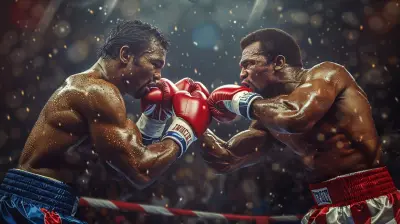
Sports can be an incredible way for kids to build confidence, make friends, and stay active. But beyond just learning how to score goals or shoot hoops, children should also learn the value of sportsmanship. Good sportsmanship isn't just about shaking hands after a game—it's about developing respect, fairness, and a positive attitude, whether they win or lose.
As a parent, you play a crucial role in shaping your child's approach to sports. But how do you instill these values in them? Let's break it down.
Why Is Sportsmanship Important For Kids?
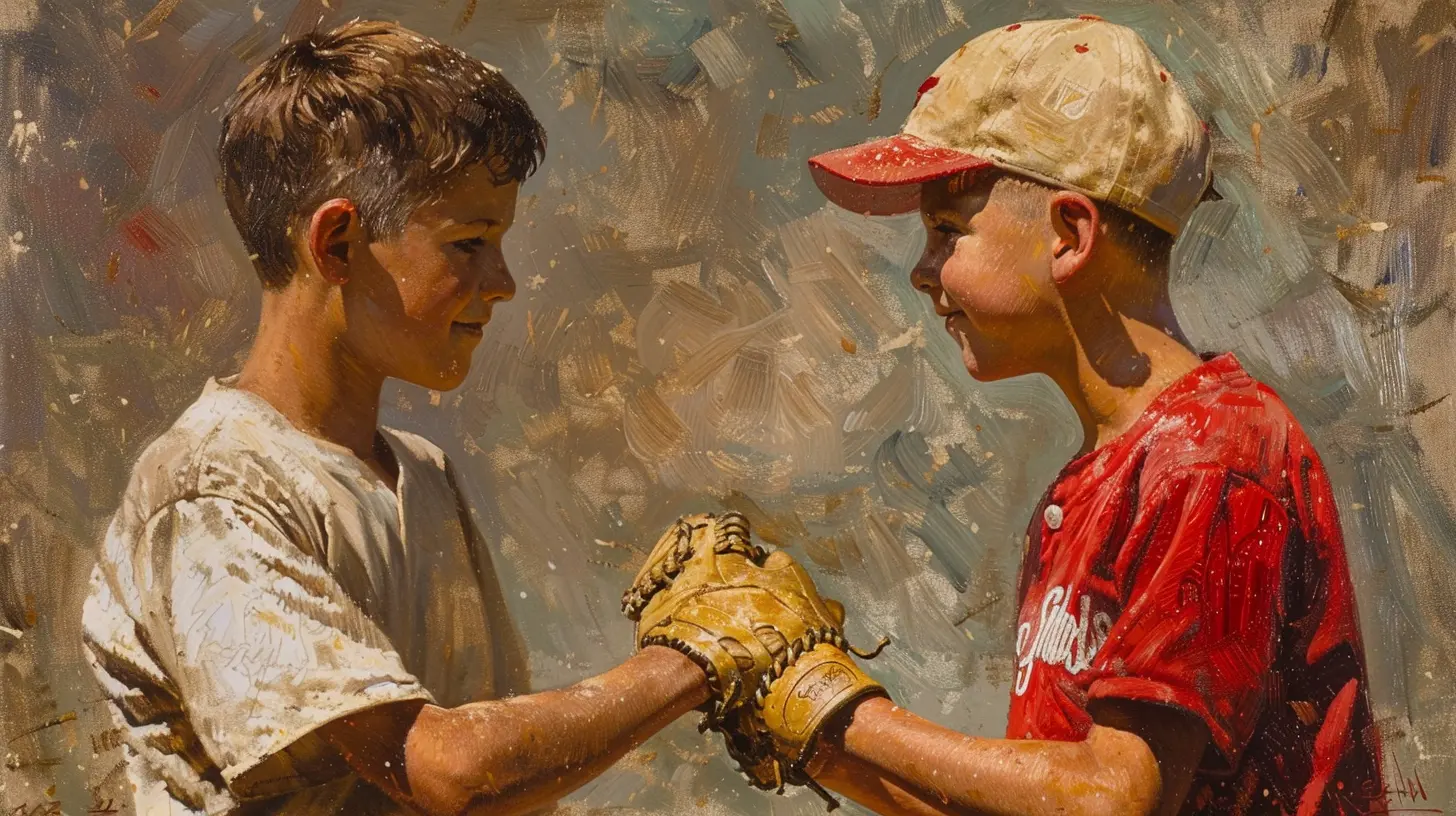
Before we dive into the how, let’s talk about the why. Developing good sportsmanship helps kids:- Understand teamwork – They learn that success comes from working together.
- Handle wins and losses with grace – No one wins all the time, and that’s okay.
- Respect opponents and officials – It’s not just about the game but also about how you treat others.
- Build resilience – Losing a match can teach valuable life lessons about perseverance.
Now that we've covered why it's so important, let’s talk about what you can do to encourage it. 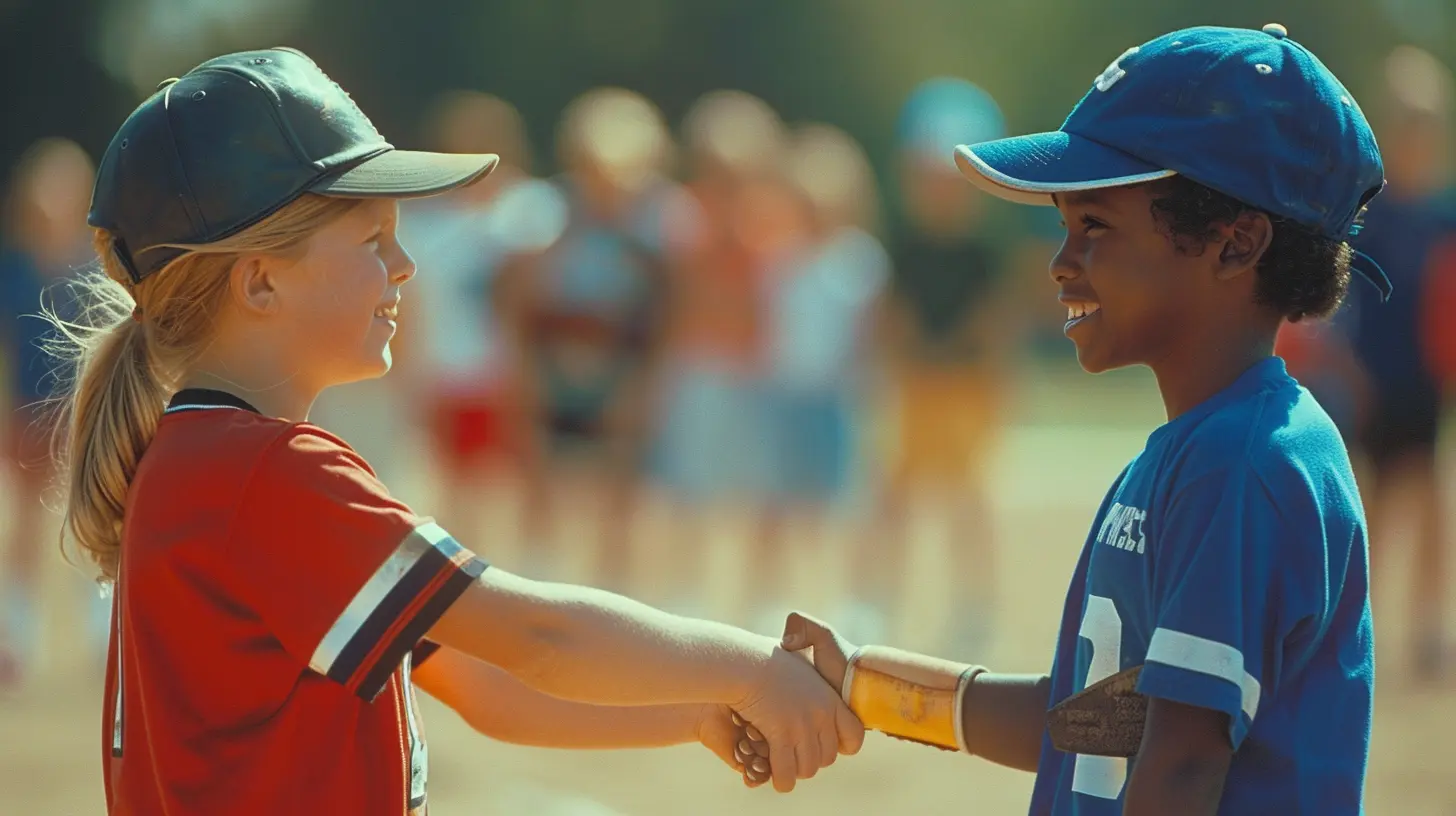
1. Be a Role Model
Kids watch and mimic everything their parents do—yes, even when you don’t think they’re paying attention! If they see you treating others with respect and showing good sportsmanship, they’re more likely to follow suit.- Cheer for all players, not just your child.
- Never badmouth referees, coaches, or opposing teams.
- Stay calm and positive, even if your child’s team loses.
Remember, your child will mirror your attitude. If you get overly competitive and frustrated, they will too. 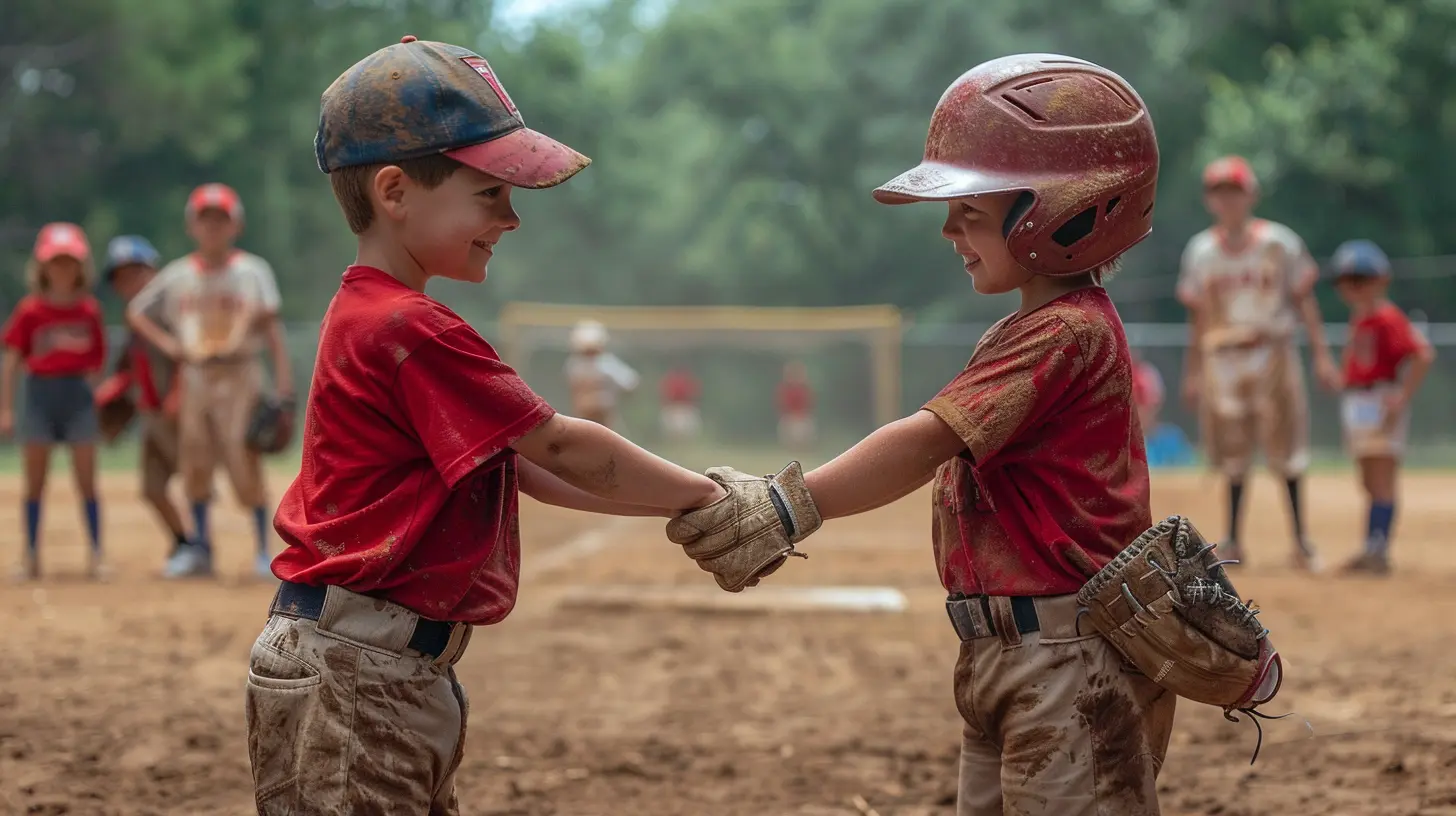
2. Teach Them to Respect the Rules
Every sport has rules, and they exist for a reason—fair play. Kids need to understand that bending the rules or cheating isn’t acceptable, even if it helps them win.- Explain the importance of playing by the rules.
- Encourage them to respect referees and coaches, even when they disagree with a call.
- Remind them that breaking the rules might give them an advantage for a moment, but it takes away from the integrity of the game.
When kids learn to respect the rules in sports, they’ll carry that same attitude into other areas of life. 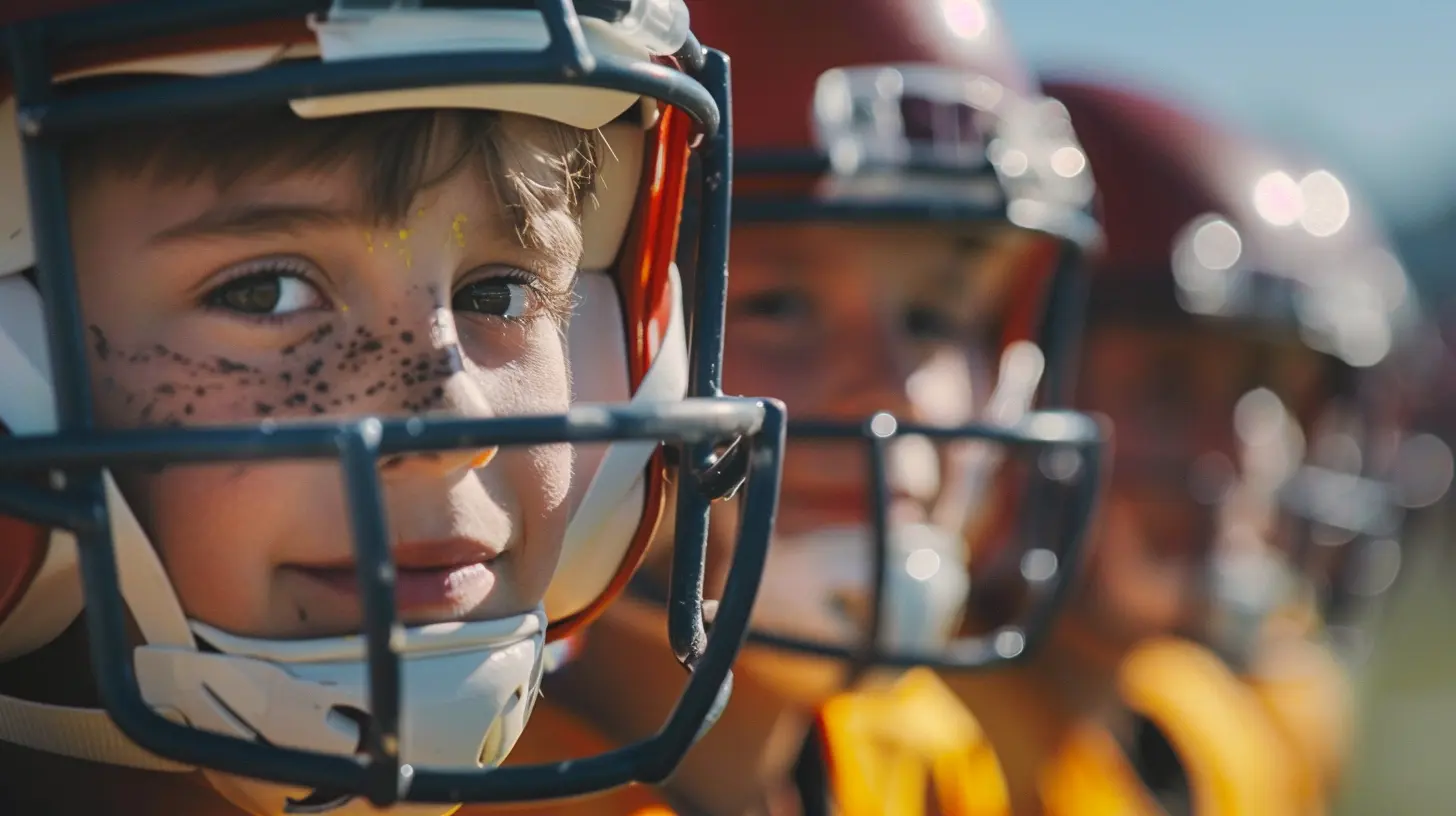
3. Focus on Effort, Not Just Winning
Let’s be honest—winning feels great! But it’s not the only thing that matters. Instead of putting pressure on your child to always win, praise their hard work and effort.- Say things like, “I’m proud of how hard you played,” instead of “You should have won that game.”
- Celebrate small victories—improvement, teamwork, and determination.
- Highlight how they reacted during the game, not just the final score.
When kids see that effort is valued over results, they’ll learn to appreciate the journey rather than just the destination.
4. Encourage a Positive Attitude
A positive attitude can make all the difference. Whether they win or lose, how they handle it shows their true character.- Teach them to say “good game” to their opponents, no matter the outcome.
- Encourage them to stay supportive of their teammates.
- Help them understand that losses are learning opportunities, not failures.
A positive mindset will help them stay motivated and bounce back stronger after setbacks.
5. Teach Empathy and Respect
Great athletes aren’t just skilled—they also respect their opponents and teammates. Teaching your child empathy will help them see the game from another person’s perspective.- Ask them, “How would you feel if someone made fun of you after losing?”
- Encourage them to lift up teammates who are feeling down.
- Remind them that kindness and respect go a long way in sports and in life.
By teaching empathy, you’re not just raising a good athlete—you’re raising a good person.
6. Manage Competitive Pressure
It’s natural for kids to want to be the best, but excessive pressure can lead to stress and burnout. Make sure they're playing for the right reasons—because they love it, not just to win.- Keep expectations realistic.
- Support them through losses without making them feel like failures.
- Encourage fun! If they stop enjoying the game, it's time to reassess.
Children should feel motivated, not pressured. When they enjoy what they do, they’ll naturally put in effort and improve.
7. Address Bad Behavior Immediately
If your child starts acting unsportsmanlike—complaining about the referee, throwing tantrums, or taunting opponents—address it right away.- Explain why that behavior is unacceptable.
- Use real-life examples of professional athletes who show great sportsmanship.
- Reinforce the idea that true champions are respectful, no matter the circumstances.
Handling these issues early will help ensure they don’t develop bad habits that stick.
8. Foster Teamwork and Encouragement
Even in individual sports, teamwork is present in some form—coaches, teammates, opponents, and even the audience play a role. Teaching kids to be good teammates is just as important as teaching them the skills of the game.- Encourage them to support their teammates, even from the sidelines.
- Teach them that success is shared—it’s never just about one player.
- Remind them that lifting others up makes the entire team stronger.
A true team player makes the game more enjoyable for everyone involved.
9. Help Them Learn From Losses
No one enjoys losing, but it’s an inevitable part of sports—and life. Instead of letting losses bring them down, use them as teaching moments.- Ask them what they think they could improve on.
- Highlight what they did well, even if they lost.
- Show them examples of professional athletes who have bounced back after losses.
By shifting their mindset, losses become opportunities for growth rather than disappointments.
10. Celebrate Good Sportsmanship
Just as you celebrate their wins, make sure to praise them when they show great sportsmanship.- Acknowledge their respect for opponents and referees.
- Highlight moments where they encouraged a teammate.
- Let them know that being a good sport is just as impressive as scoring a goal.
When kids see that sportsmanship is valued just as much as skill, they’ll prioritize it naturally.
Final Thoughts
Raising a child with good sportsmanship won’t happen overnight, but with patience and consistency, you can help them develop lifelong values that go way beyond the game.Sports aren’t just about winning and losing—they’re about learning respect, teamwork, and perseverance. By being their biggest cheerleader and guiding them along the way, you're not just helping them become better athletes, but better people.
After all, at the end of the day, what matters most isn’t how many points they scored—it’s the kind of person they become through the game.
all images in this post were generated using AI tools
Category:
SportsmanshipAuthor:

Ruben McCloud
Discussion
rate this article
2 comments
Luella Powell
Great tips! Encouraging respect and teamwork in children fosters lifelong sportsmanship and positive experiences.
April 4, 2026 at 11:36 AM
Ruben McCloud
Thanks for your comment! I'm glad you found the tips helpful. Building respect and teamwork is key to nurturing positive attitudes in sports.
Oliver Lawson
Great article! Encouraging good sportsmanship not only enhances children’s athletic experiences but also fosters important life skills. Your insights on communication and empathy are truly valuable. Thank you!
March 10, 2026 at 5:17 AM
Ruben McCloud
Thank you for your kind words! I'm glad you found the insights valuable. Promoting sportsmanship really does have a lasting impact on kids.