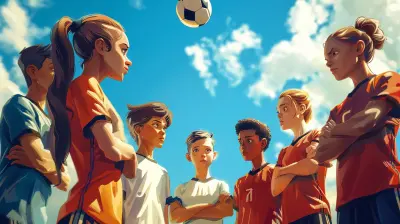
How Sportsmanship Can Turn a Loss into a Winning Experience
31 August 2026
Let’s be real—nobody likes to lose. Whether you're a weekend warrior, part of your school team, or just someone who’s crazy about sports, losing can feel like a punch to the gut. But here’s the twist: what if I told you that a loss doesn’t have to be a total loss?
What if I told you that there’s real magic in defeat, if—and only if—you approach it with the right mindset? Yep, we're talking about sportsmanship. That humble, powerful, and often overlooked virtue that turns the sting of losing into something surprisingly… awesome.
In this article, we’re diving deep into how sportsmanship can actually transform a loss into a meaningful, even victorious, experience. Grab your metaphorical jersey and let’s talk about how to take an L like a true MVP.
What Is Sportsmanship, Really?
Before we get ahead of ourselves, let's strip it down. What exactly is sportsmanship?It's not just about shaking hands after the game or clapping politely when someone scores. Sportsmanship is about respect. Respect for your opponent, your team, the officials, the game itself—and most importantly—yourself. It's the unwritten code that separates competitors from true athletes.
Sportsmanship means playing fair, staying humble in victory, and staying gracious in defeat. Sounds noble, right? But more often than not, it shows its true colors when things don't go your way.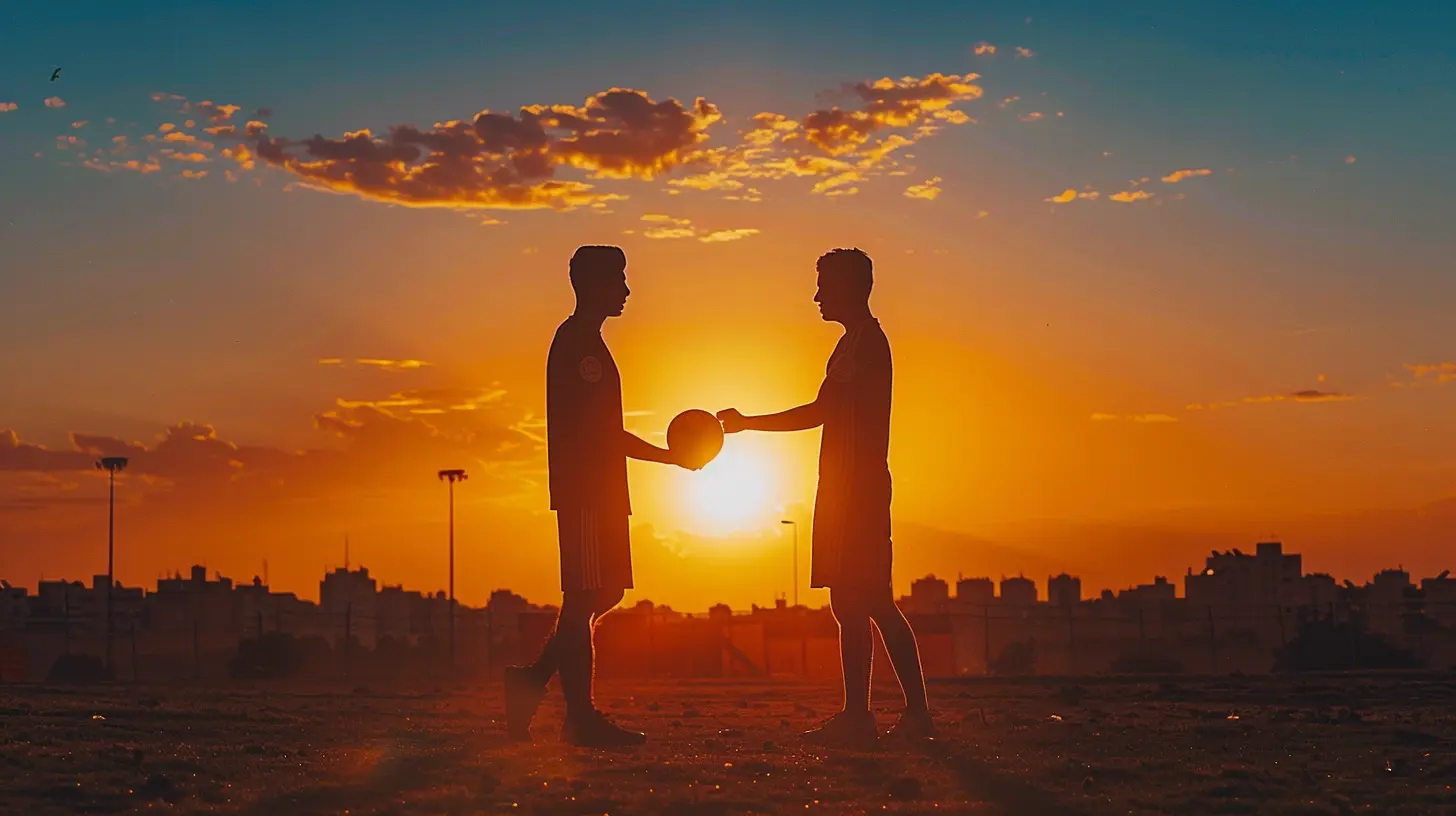
The Hard Truth: Everyone Loses
Let’s establish something: losing is a part of the game. It doesn’t matter if you’re Serena Williams, Tom Brady, or your neighborhood’s Sunday soccer captain—everyone faces defeat. It’s not the loss that defines you, it’s how you deal with it.Think about it. When you lose, you have two choices:
1. Sulk, blame everyone else, and dwell on what went wrong.
2. Hold your head high, own your part, and use the experience as a stepping stone.
The second option? That’s where sportsmanship lives. And trust me, that mindset pays off way bigger in the long run.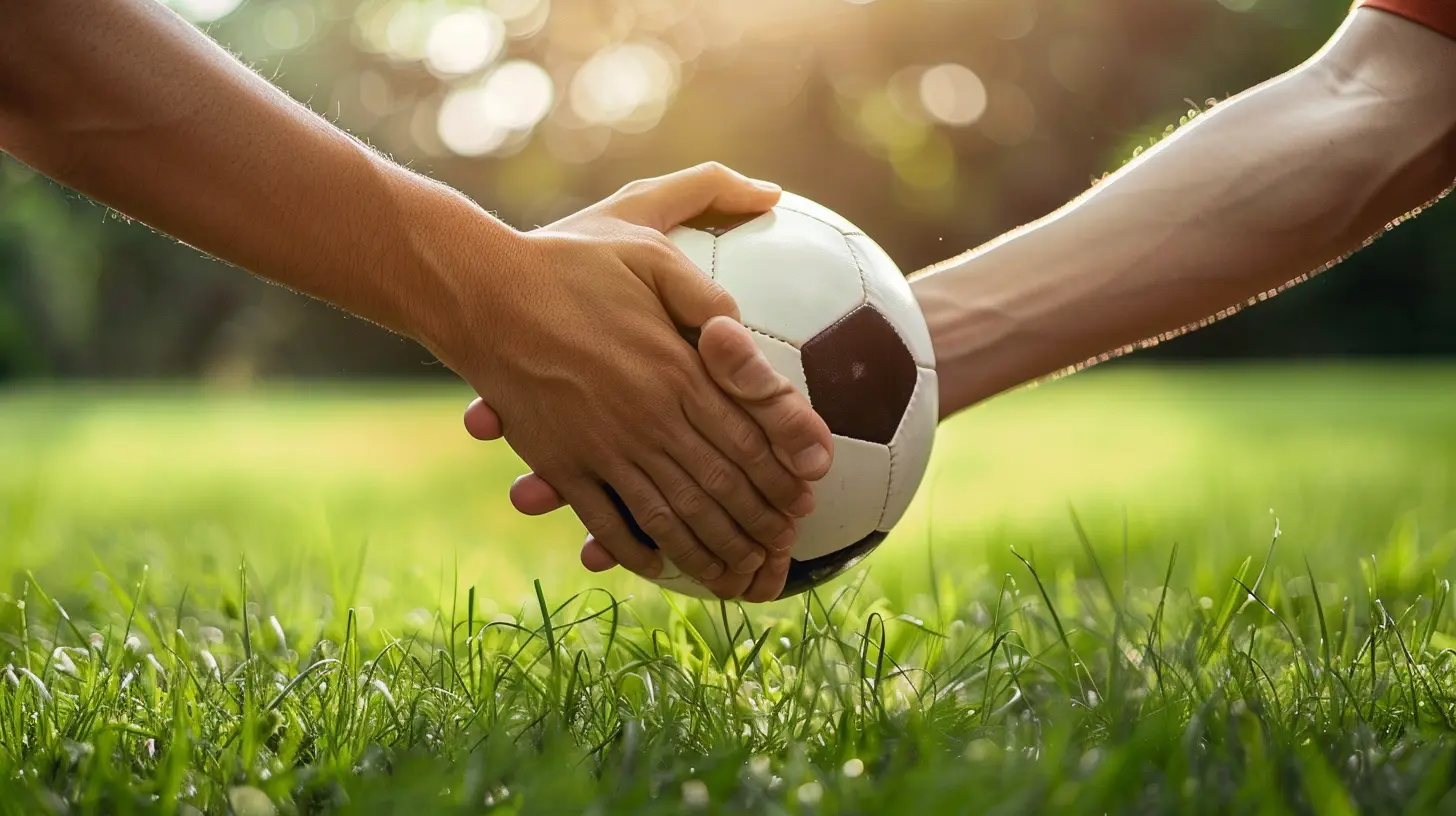
Why Sportsmanship Matters More Than the Scoreboard
You might be thinking: “Okay, that all sounds nice, but does it actually make a difference?” Oh, absolutely. Here's how:1. Builds Respect On and Off the Field
Ever watched a game where a player shows incredible class after a tough loss, and you can’t help but admire them? That’s the power of sportsmanship. It builds your reputation far beyond the scoreline. People remember how you handled the loss much longer than the loss itself.Athletes who show sportsmanship gain respect—not just from fans or coaches, but from teammates and opponents. That kind of respect? Priceless.
2. Keeps Your Head in the Game (Even After It Ends)
Here's the cool part: sportsmanship helps you move on. Instead of mentally replaying every missed shot or blown opportunity, it helps you focus on the big picture. You reflect, you learn, and—you guessed it—you grow.Every loss becomes a lesson. And isn’t that kind of a win in disguise?
3. Strengthens Team Chemistry
One sore loser can poison a locker room. One gracious loser can lift it.When one person takes responsibility, stays positive, and encourages others even after a loss, it sends a ripple effect through the team. It’s contagious. Good sportsmanship creates unity, and unity fuels comebacks.
Real-Life Examples of Sportsmanship That Won Hearts
Let’s take a little detour and look at some unforgettable moments where sportsmanship stole the spotlight:Abby Wambach and the World Cup Handshake
After the U.S. lost to Japan in the 2011 Women’s World Cup Final, Abby Wambach didn’t storm off or blame referees. She walked over and congratulated each Japanese player, even as her heart broke. That’s leadership. That’s class.Derek Redmond's Father: A Moment Bigger Than Gold
In the 1992 Olympics, British runner Derek Redmond tore his hamstring mid-race. His father jumped onto the track, helping him finish. Fans didn’t remember who won gold that year. They remembered the sportsmanship and support between a father and son.The Ultimate Showdown: Federer and Nadal
Rafael Nadal and Roger Federer have one of the fiercest rivalries in tennis, yet they constantly praise each other, laugh during interviews, and even played doubles together. Their insane level of respect shows how sportsmanship and competitiveness can coexist—and thrive.These moments remind us that how you handle loss often speaks louder than how you celebrate a win.
How to Show Sportsmanship When It Hurts the Most
Alright, let’s say you just lost a heartbreaker. Your chances were high, but it didn’t go your way. Now what?Here are some real, actionable ways to practice good sportsmanship—even when you don’t feel like it:
1. Take a Breath Before Reacting
Emotions run high. Especially right after a loss. Pause. Don’t lash out. Don’t throw equipment (we’ve all seen those viral meltdowns, and they’re not as cool as they seem). Give yourself a few seconds to collect your thoughts.2. Acknowledge the Opponent
Shake their hands. Look them in the eye. Say, "Good game." Even if you believe you were the better player that day—showing grace is what separates you from hot-headed amateurs.3. Reflect on What Went Right and Wrong
Instead of beating yourself up, try this: write down what you did well, what you need to improve, and how you’ll come back stronger. Turning analysis into motivation is a big-time skill.4. Speak Positively About the Game
To your teammates, family, or even on social media—keep it classy. Avoid blaming referees, bashing opponents, or making excuses. Be the person people point to as an example of character.The Young Athlete’s Guide to Sportsmanship
Parents and coaches, this one’s for you.Teaching young athletes about sportsmanship isn’t just about creating better players—it’s about helping them become better humans. Every game is a chance to reinforce empathy, accountability, and emotional intelligence.
Start with these:
- Praise effort, not just outcome.
- Model the behavior you want to see.
- Celebrate good character as much as great plays.
Sports serve as a mini-lab for life. And the values learned on the field stick with kids long after the final whistle.
The Ripple Effect of One Gracious Loser
You ever watch someone lose and think, “Wow, they handled that better than I expected?” That moment inspires people around you. Teammates might pick up on your vibe. Opponents respect you more. Fans? They take notice.And here's the kicker—it can influence the culture of the entire sport.
Every act of sportsmanship sends a message: that it's not all about the win. It’s about growth, friendship, and the love of the game. Lose with character today, and you win something far deeper than a trophy.
When Sportsmanship Wins Championships
Let’s get honest: we live in a world obsessed with winning. Stats. Scores. Titles. But here’s a little secret sauce many champions already know—sportsmanship is a key part of long-term success.Why? Because it builds trust. Teammates trust you. Coaches trust you. Even under pressure, they know you won’t crack or point fingers. That kind of reliability makes you indispensable.
And when things finally fall your way, people cheer louder. Because they know you earned it the right way.
Turning Loss into a Lifetime of Wins
So, how does sportsmanship truly turn a loss into a winning experience?It lets you walk away from defeat with your head high and your heart full—not bitter and broken. It teaches you resilience, improves your game, and strengthens your character.
And let’s face it—sports end. But the lessons you learn from losing with grace? Those stay with you forever.
Final Whistle
Losing stings. No doubt. But sportsmanship? That’s your shield, your secret weapon, your path to turning even the worst game into something valuable. It doesn’t mean you’re okay with losing—it just means you’re mature enough to learn from it.Next time the scoreboard isn’t in your favor, ask yourself: How do I want to be remembered? The sore loser everyone avoids? Or the classy, resilient athlete who took a tough loss and came back stronger?
The choice is yours.
all images in this post were generated using AI tools
Category:
SportsmanshipAuthor:

Ruben McCloud
Discussion
rate this article
2 comments
Cerys McWilliams
Sportsmanship elevates the game, turning losses into lessons.
September 22, 2026 at 3:16 AM
Ruben McCloud
Absolutely! Embracing sportsmanship helps us grow, making every loss an opportunity for improvement and resilience.
Maya Wolfe
Great read! Sportsmanship truly reshapes how we handle defeat. Embracing respect and camaraderie can transform a tough loss into a valuable lesson, making the next victory even sweeter. It's all about growth and character.
August 31, 2026 at 10:39 AM
Ruben McCloud
Thank you! I'm glad you found it impactful. Sportsmanship really does turn losses into opportunities for growth.