How Sportsmanship Elevates the Game for Everyone
31 January 2026
Let’s be real — sports can get intense. Whether you're on the field, court, pitch, or track, that desire to win can be overwhelming. But there's something even more powerful than victory: sportsmanship. It’s the invisible thread that weaves every game into something more than just points on a scoreboard. It’s the heartbeat of true athletic competition.
So, what is sportsmanship, really? And why does it matter so much?
Let’s dive deep into how sportsmanship elevates the game for everyone—players, coaches, fans, and even those of us watching from the couch munching on snacks.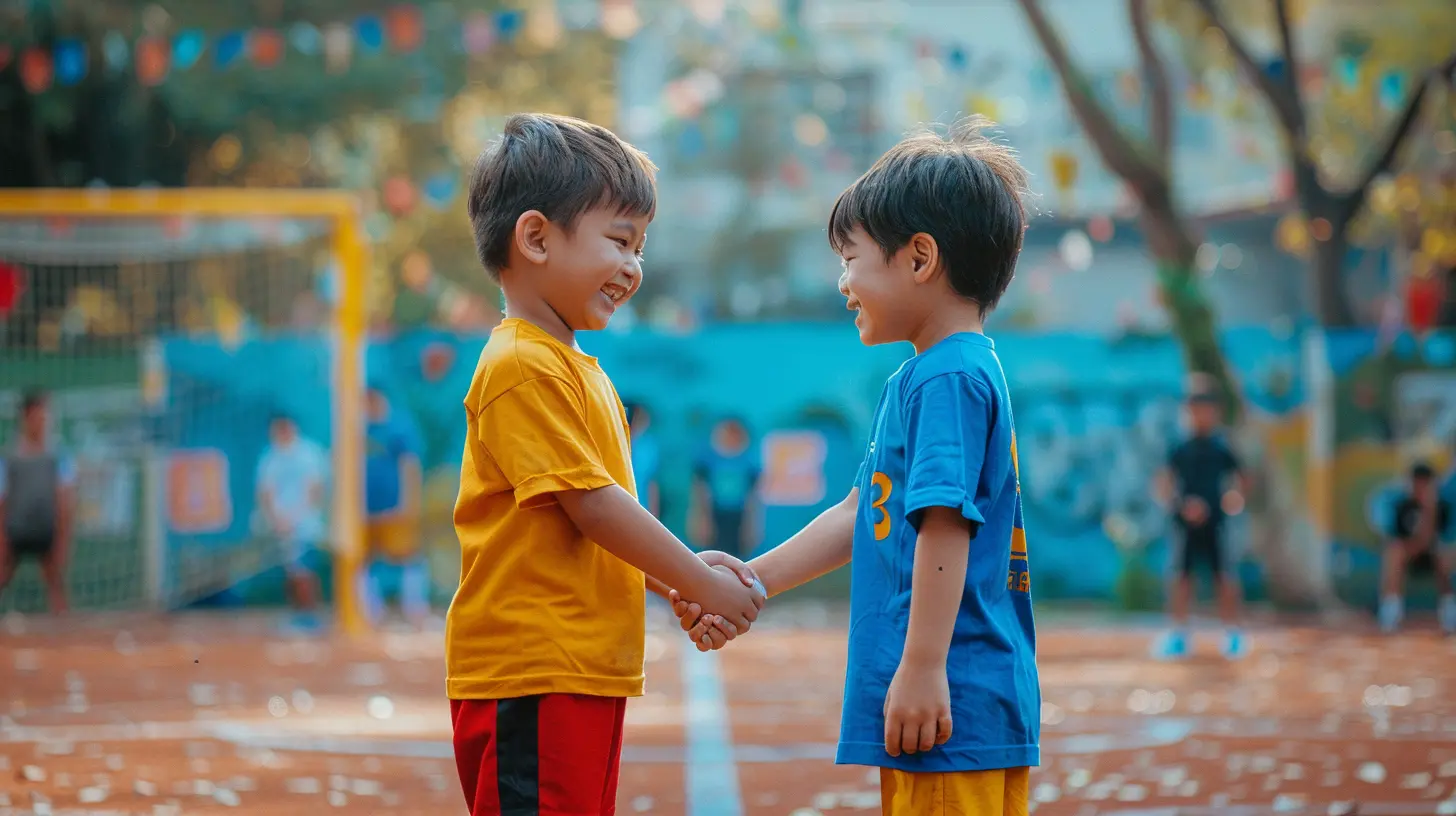
What is Sportsmanship, Anyway?
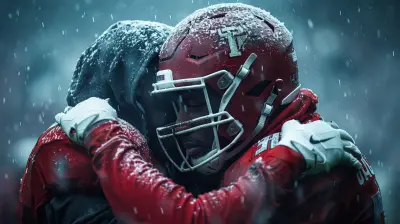
Think about the last time you saw an athlete help up an opponent after a fall. Or when players shook hands after a brutal match, win or lose. That’s sportsmanship in action—respect, fairness, and humility regardless of the outcome.It’s not just about being “nice.” It’s about showing character, even when the pressure is on. It's the quiet power of putting integrity above ego.
In short, sportsmanship is doing what’s right, even when it’s hard.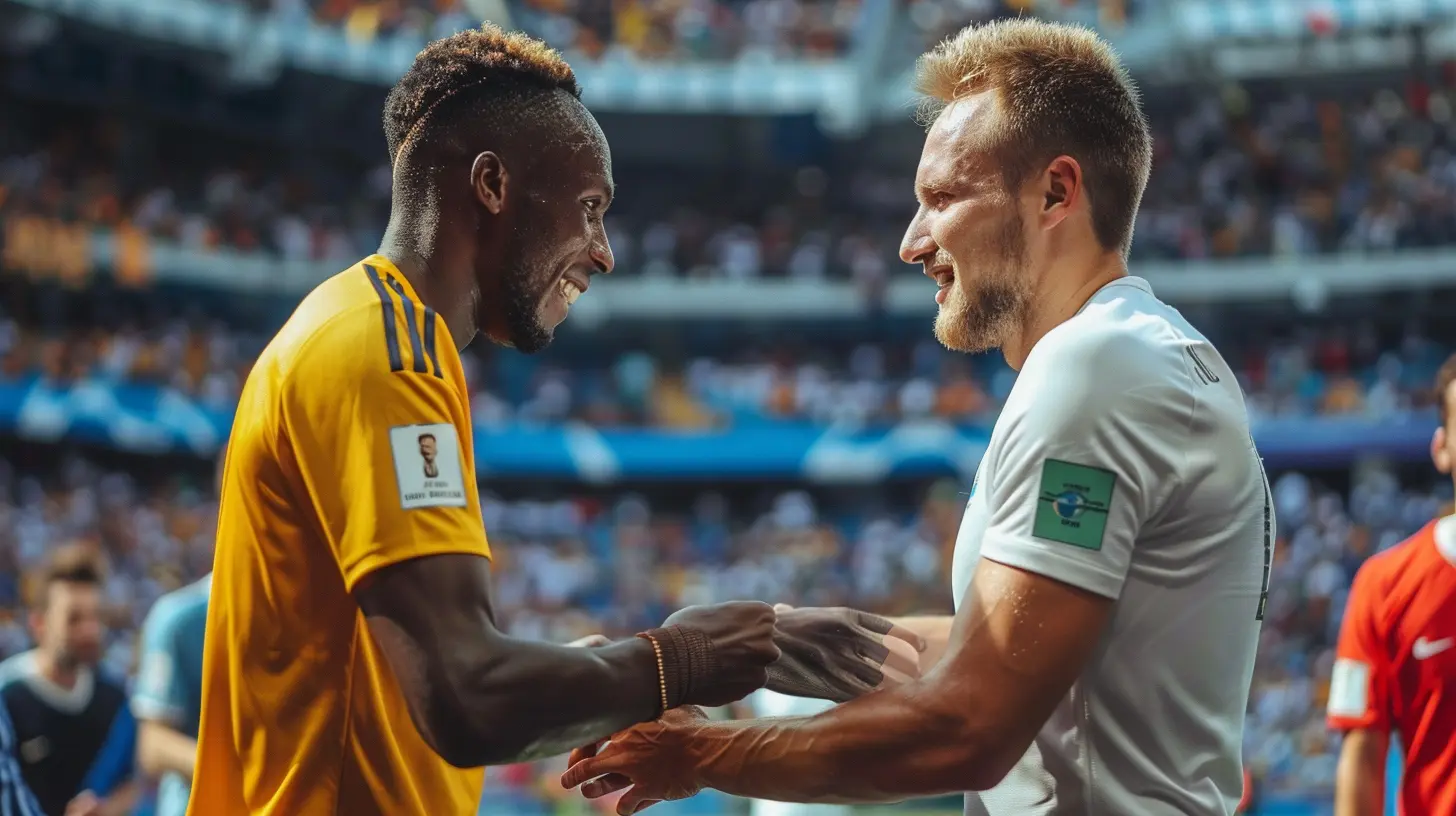
Why Sportsmanship Matters More Than Ever
We live in a world that often celebrates ruthless competition. “Win at all costs” seems to be the motto plastered all over media platforms. But here's the thing—when players play dirty, when teams cheat, or when fans behave badly, everyone loses.Here’s why sportsmanship stands tall as the true MVP of any game:
1. It Builds Respect
Athletes who show sportsmanship earn respect—not just from their teammates, but from opponents and fans too. And let’s be honest, wouldn’t you rather be remembered for your class and character than just your stats?Think of tennis legends like Roger Federer or Rafael Nadal. Their grace in both victory and loss has turned them into global icons, not just for their skills but for their humility and sportsmanship.
2. It Keeps the Spirit of the Game Alive
Rules keep things fair, but sportsmanship is what keeps things fun. It reminds us why we fell in love with sports in the first place. That feeling when two teams battle it out but come together afterwards with mutual respect? That’s the essence of the game.3. It Sets a Positive Example
Whether you're a high school athlete, weekend warrior, or pro, someone is always watching how you play the game—and how you treat others. Sportsmanship teaches young athletes lessons that last way beyond the final whistle.In a world where negativity spreads fast, a simple act of good sportsmanship can create a ripple effect. It shows that competition doesn’t have to be cutthroat to be powerful.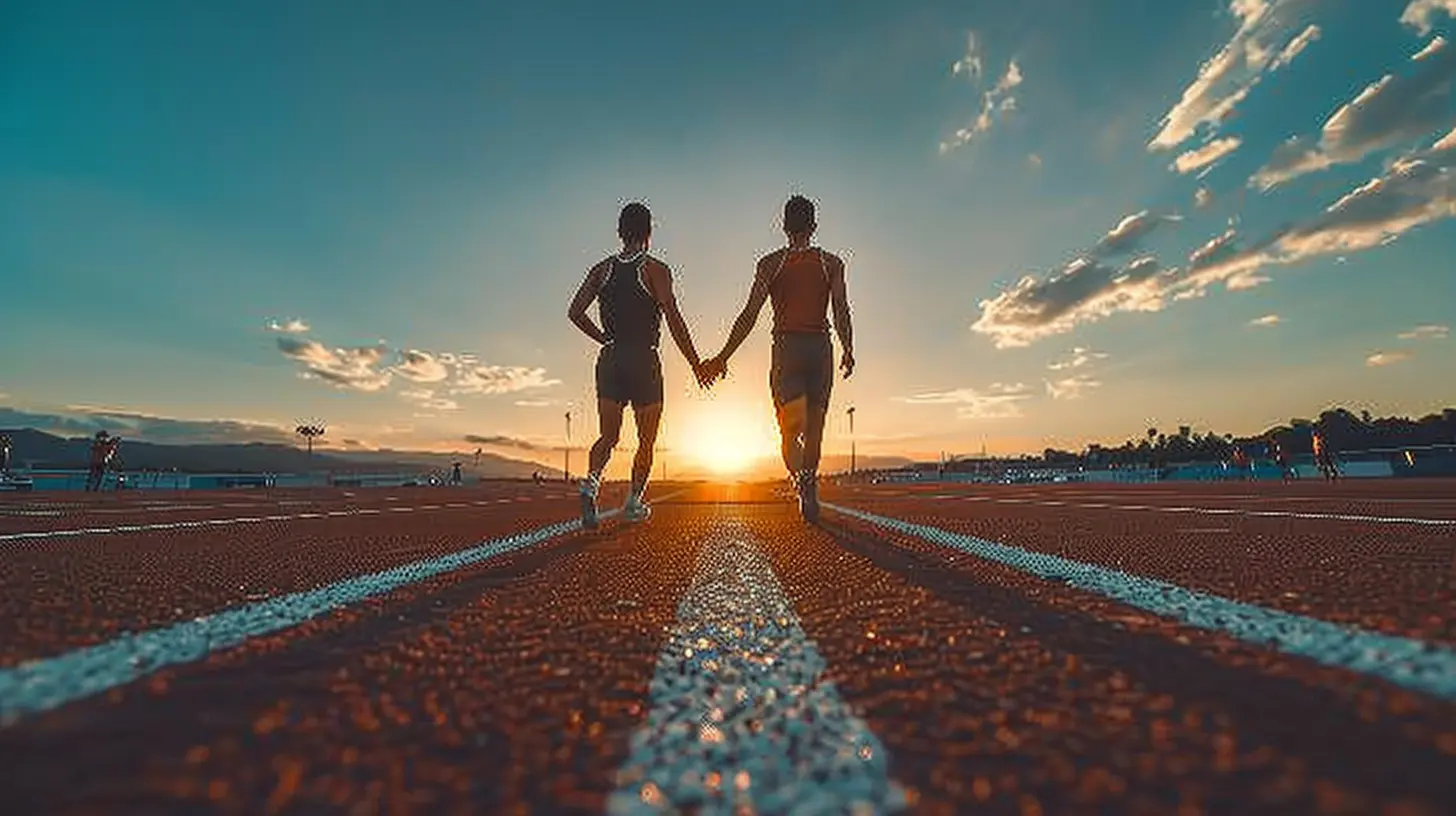
The Real Impact of Sportsmanship
Let’s break this down. Here’s how sportsmanship elevates the experience for everyone involved in sports:For The Players
When players show good sportsmanship, they enjoy the game more. Makes sense, right? You’re more likely to grow as a person and as a player in an environment rooted in respect and support. It brings out the best in everyone.Even in defeat, there’s pride in knowing you gave your all and played with honor. And in victory, being gracious shows real maturity.
For Coaches and Teams
Coaches who emphasize sportsmanship build better team cultures. When players respect each other and their opponents, locker rooms become places of learning and growth rather than ego-fueled battlegrounds.And teams that practice sportsmanship aren’t just better at handling pressure—they’re better at bouncing back from setbacks. They don’t fall apart when things go wrong; they regroup and refocus.
For Spectators and Fans
Let’s not forget the folks in the stands. Fans feed off the energy of the game, and nothing sours the mood faster than unsportsmanlike conduct. Dirty fouls, trash-talking, and tantrums turn exciting moments into stressful ones.On the flip side, sportsmanship moments get standing ovations. Think of that viral clip of a softball player carried around the bases by opponents after an injury. Goosebumps, right?
The Role of Social Media in Shaping Sportsmanship
Social media can either be a breeding ground for toxicity or a stage for sportsmanship to shine. When athletes or teams show grace or extend a hand to an opponent, and it’s captured on video, it goes viral. Not because it’s flashy, but because deep down, people crave that kind of human connection.Good sportsmanship reminds us that underneath the uniforms and rivalries, we’re all just people. People who love the game. People who admire those who play it the right way.
When Sportsmanship is Tested… and Wins
Let’s be honest—it’s easy to practice sportsmanship when you’re winning. But the true test comes during the heat of competition, especially when things aren’t going your way.Take the example of the 2012 London Olympics: New Zealand runner Nikki Hamblin and American Abbey D’Agostino collided during a 5,000-meter race. Instead of blaming each other, they helped each other up and finished the race together. That moment is remembered far more than who actually medaled. Why? Because it showed us the soul of sport.
The Dark Side: What Happens When Sportsmanship is Missing
Let’s flip the coin for a second.When sportsmanship is missing, the entire vibe of the game changes. Tensions rise, brawls break out, and suddenly the game isn’t about talent—it’s about survival. We've all seen it—cheap shots, cursing, fans throwing stuff, even players faking injuries to gain an edge. It tarnishes reputations and drives people away from the sport.
No one wants to see that. Even die-hard fans turn their backs when lines get crossed.
Teaching Sportsmanship Early: Why It Starts with Youth Sports
If you're a parent, coach, or mentor, listen up: sportsmanship needs to be taught young.Kids should learn that it’s not just about winning—but how you win, and how you lose. It starts with high-fives, saying “good game,” and learning to bounce back from mistakes without blaming others.
They’re not just playing soccer or basketball; they’re learning life skills—how to cope, how to communicate, how to coexist. Sportsmanship isn’t just a lesson in games. It’s a lesson in life.
How to Promote Sportsmanship in Today's Sports Culture
Okay, so how do we actually promote better sportsmanship in a world obsessed with stats and championships?Here’s a practical playbook:
1. Celebrate Integrity as Much as Victory
When we highlight moments of respect and fairness as much as game-winning plays, we shift the culture. Media, coaches, and fans need to showcase these instances loud and proud.2. Call Out Poor Behavior
Ignoring bad behavior lets it grow. Whether it’s a pro athlete trashing a referee or a peewee coach benching kids unfairly, accountability matters. Respect works both ways.3. Make Room for Empathy
Encourage players to see their opponents as people, not enemies. A little empathy goes a long way in fostering respectful competition.4. Practice What You Preach
Kids watch what adults do, not just what they say. If you scream at refs from the sidelines or make excuses for poor behavior, that’s what they’ll learn.Sportsmanship Isn’t Soft—It’s Strength
There’s this outdated idea that sportsmanship is for the “weak.” That showing kindness or respect somehow undercuts competitiveness. But here's the truth: sportsmanship is strength in action.It takes guts to admit when you’re wrong. It takes character to lift up someone you just competed against. That’s real strength—being grounded enough in your values that winning never comes at the cost of your integrity.
It’s the kind of strength that builds champions in both sport and life.
Final Whistle
So, how does sportsmanship elevate the game for everyone?In every way imaginable.
It makes the game more enjoyable to play, more thrilling to watch, and more meaningful to be a part of. It transforms fierce competition into shared experience. It turns rivals into role models. And it leaves a legacy that lasts far beyond the final buzzer.
Whether you're an athlete, a coach, a parent, or a fan, never underestimate the power of playing with heart and honor. Because in the game of life, that’s what really wins.
all images in this post were generated using AI tools
Category:
SportsmanshipAuthor:

Ruben McCloud
Discussion
rate this article
2 comments
Vanya Pace
Great article! Sportsmanship truly transforms competition into camaraderie, fostering respect and resilience. It’s a reminder that the spirit of the game is as important as the score. Keep inspiring!
March 11, 2026 at 5:28 AM
Ruben McCloud
Thank you for your thoughtful comment! I wholeheartedly agree—sportsmanship enriches the experience for all involved.
Betsy Sawyer
True sportsmanship inspires greatness and unites players and fans alike.
January 31, 2026 at 12:41 PM
Ruben McCloud
Absolutely! True sportsmanship fosters respect and camaraderie, enhancing the experience for players and fans alike.