How Virtual Sports Are Helping to Develop Real-World Athletic Skills
22 October 2026
Sports and technology have always had a fascinating relationship. Over the years, innovations have shaped the way athletes train, compete, and improve their skills. But here's something that's changing the game entirely—virtual sports.
At first glance, you might think virtual sports are just for fun, a way to kill time when you're not on the field or court. But what if I told you they’re actually helping athletes sharpen their real-world skills? That’s right—virtual sports are bridging the gap between gaming and real athletic performance in ways we never imagined.
Let’s take a deep dive into how virtual sports are transforming the development of real-world athletic skills. 
What Are Virtual Sports?
Before we jump into their impact, let’s clarify what virtual sports are. Unlike traditional video games where you control a character, virtual sports are designed to simulate real-life sporting actions. They come in two major forms:1. Simulated Sports Games – These include video games like FIFA, NBA 2K, and eFootball, where players control teams but also learn tactics, positioning, and game strategies.
2. Immersive VR and AR Sports – These involve technologies like virtual reality (VR) and augmented reality (AR) that require physical movement, such as VR boxing, cycling, or even golf training simulators.
Now, let’s see how these virtual experiences are making a real-world difference. 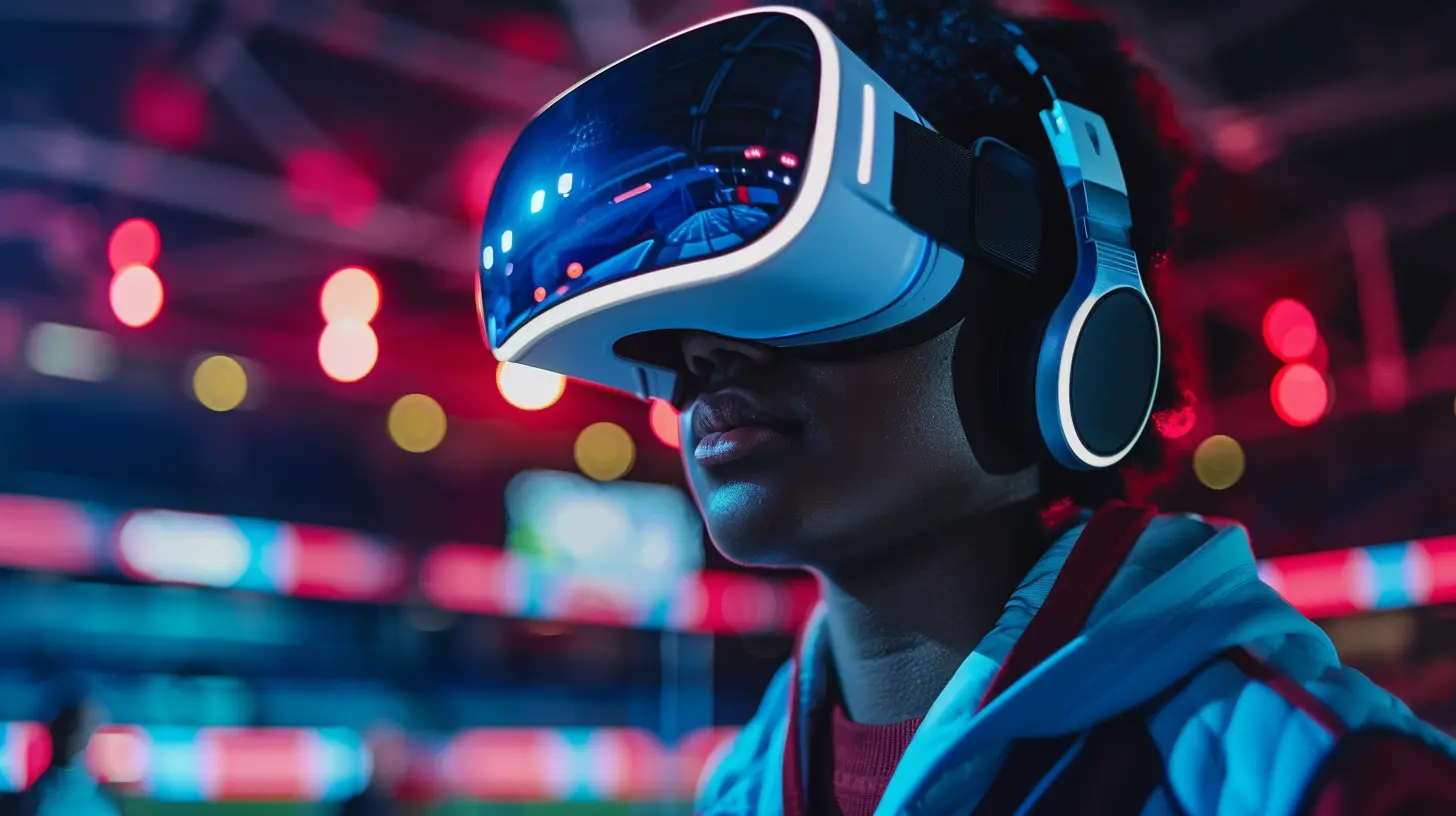
1. Enhancing Hand-Eye Coordination
One of the biggest benefits of virtual sports is the improvement of hand-eye coordination. Whether you're a soccer player, basketball shooter, or even a professional boxer, the ability to react quickly and accurately is critical.- VR sports require players to track fast-moving digital objects, improving response time and coordination.
- Simulated sports games sharpen strategic thinking, making it easier to anticipate real-world plays before they happen.
It's no coincidence that many professional athletes enjoy video games—they rely on fast decision-making and precision, just like in real sports. 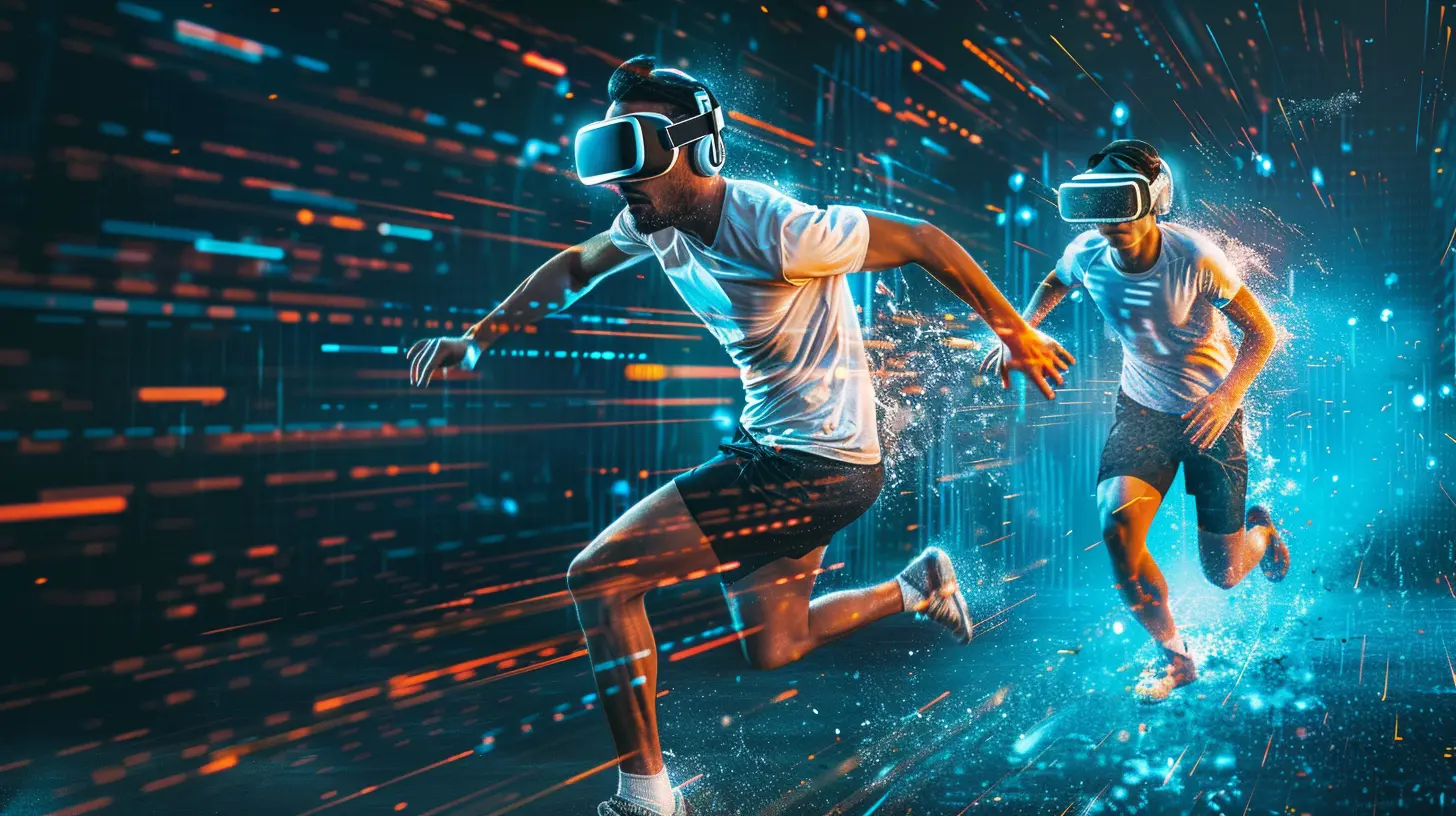
2. Improving Reaction Time & Reflexes
Ever seen a goalkeeper make a last-second save? Or a tennis player react to a blazing fast serve? Both of these skills can be trained in a virtual environment.- VR-based games demand quick reactions as players anticipate and respond to opponents' moves.
- Competitive eSports players have been found to react even faster than professional athletes in some cases (yes, really).
By constantly engaging with challenging virtual scenarios, athletes develop split-second decision-making skills that transfer directly to real sports. 
3. Boosting Mental Toughness & Strategic Thinking
Success in any sport isn't just about physical strength—it’s also about mental endurance. Virtual sports provide a safe space to develop these skills without the physical toll of real matches.- Simulated coaching and strategy games like Football Manager help players analyze tactics, think ahead, and make pressure decisions.
- VR sports psychology training can help athletes improve focus, reduce anxiety, and simulate high-pressure moments to build mental resilience.
In real-world competitions, mental toughness can be the difference between winning and losing, and virtual sports provide the perfect training ground.
4. Enhancing Muscle Memory and Motor Skills
If you’ve ever practiced the same movement repeatedly (like a golf swing or a free throw), you know what muscle memory is. Virtual sports, especially those utilizing VR technology, allow athletes to perfect their form without physically exhausting themselves.- Interactive VR sports training provides real-time feedback on techniques like shooting, swinging, or throwing.
- Motion-tracking technology ensures that athletes develop proper biomechanics, preventing injury and improving efficiency.
Repetition is the key to mastery, and virtual sports offer an endless playground to fine-tune athletic movements.
5. Encouraging Physical Fitness Through Gamification
Traditionally, video games have been blamed for making people less active, but that’s changing fast. With virtual sports integrating real movement, they are actually encouraging physical activity in exciting ways.- VR boxing or tennis games require full-body movement, making them a great cardio workout.
- Fitness-based virtual games like Beat Saber or Supernatural push players to stay active while having fun.
By turning exercise into a game, virtual sports make staying fit feel less like a chore and more like an adventure.
6. Injury Rehab and Safe Training Environments
Injuries can sideline even the best athletes, but virtual sports offer a unique way to stay in the game while recovering.- Rehabilitation-focused VR programs help athletes maintain skills without the risk of re-injury.
- Low-impact virtual training allows injured players to stay mentally engaged while they heal.
For athletes looking to recover safely while still sharpening their reflexes and skills, virtual sports provide a valuable solution.
7. Bridging the Gap Between eSports and Traditional Sports
The world of eSports (competitive video gaming) is now intersecting with traditional sports in ways we never expected.- Pro athletes like Neymar, LeBron James, and Sergio Aguero are avid gamers, often using simulated sports games to visualize matches and prepare mentally.
- Studies have shown that some eSports players have reaction times as fast as elite athletes, proving that digital training has real-world benefits.
With this blend of digital and physical skills, the line between gaming and real sports is becoming thinner every day.
Will Virtual Sports Ever Replace Traditional Training?
While virtual sports are incredible tools, they won't replace real-world training anytime soon. There's no substitute for the feeling of running down the field, the resistance of a heavy barbell, or the rush of adrenaline in a real competition.However, what virtual sports can do is offer additional training opportunities, improve skills, and make learning more engaging. Think of them as a powerful supplement to traditional training rather than a replacement.
Athletes who embrace technology alongside traditional training methods gain a competitive edge—and that’s exactly why virtual sports are making waves in the sports world.
Final Thoughts
Virtual sports are no longer just a fun distraction—they’re a powerful tool that’s shaping the future of athletics. From improving reaction times to refining muscle memory, enhancing strategy, and even aiding injury recovery, the benefits are undeniable.Whether you're a seasoned athlete, a coach looking for innovative training methods, or just someone who loves staying active, virtual sports have something to offer. Instead of seeing them as just another screen-based activity, think of them as a bridge between gaming and real-world performance.
So, the next time someone tells you virtual sports aren’t "real," just remind them—even the best athletes are leveling up in the digital world.
all images in this post were generated using AI tools
Category:
Virtual SportsAuthor:

Ruben McCloud