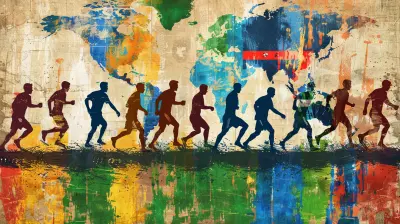
The Connection Between Sportsmanship and Leadership
20 June 2026
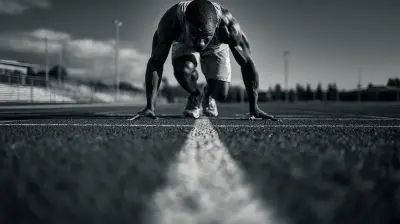
We often think of sports as just a game — a way to blow off steam, stay healthy, or simply have fun. But dig a little deeper, and you'll see that the field, court, or pitch is actually a training ground for something much bigger: leadership. Yep, the connection between sportsmanship and leadership runs deep. It's not just about winning or stats — it's about how you play the game, how you treat others, and how you rise when things get tough.
Let’s break it down in a simple, human-to-human way. Whether you're an athlete, coach, or just love watching sports, understanding this link could totally change the way you see leadership – not just in sports, but in life.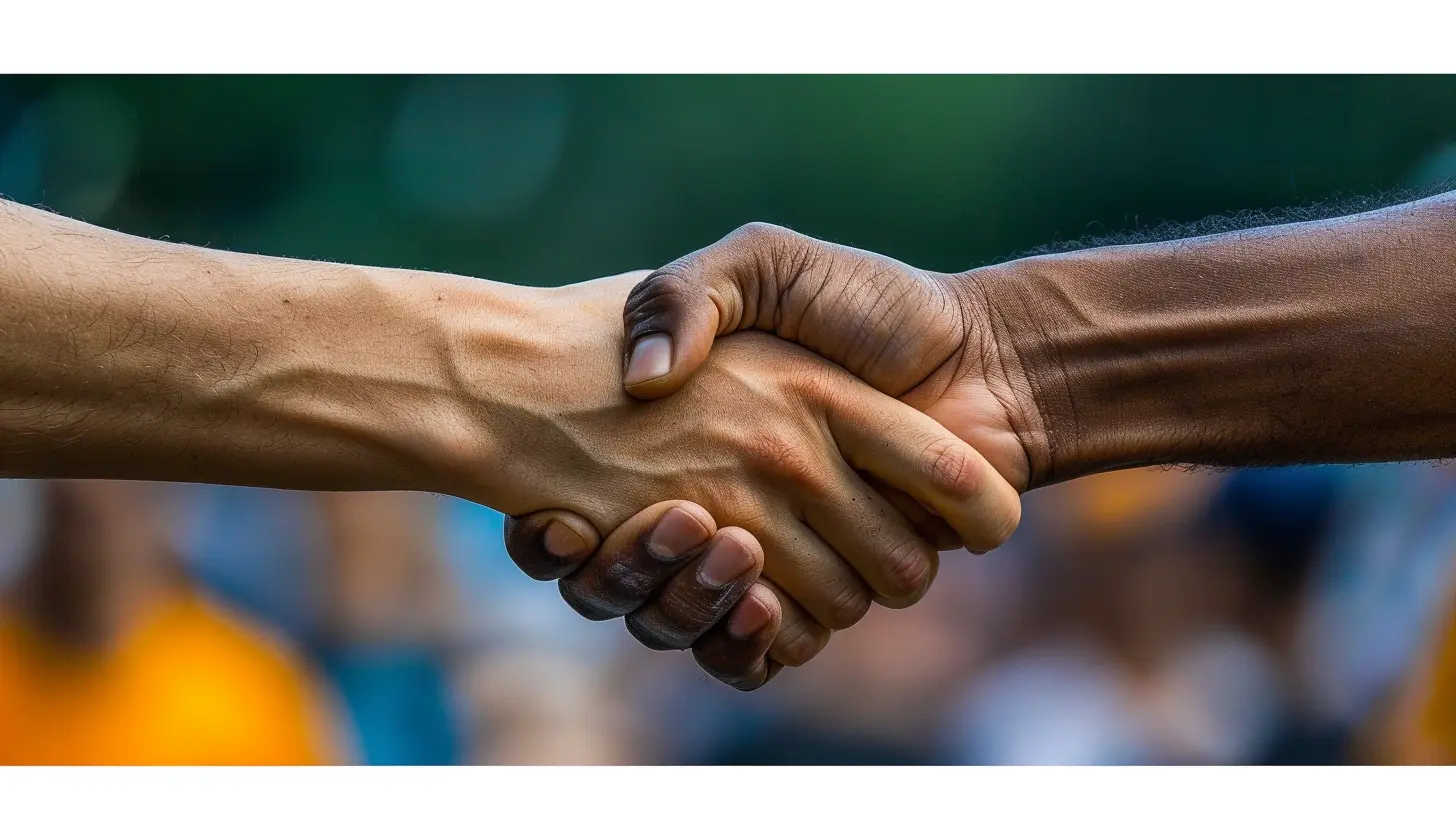
What Is Sportsmanship, Really?
Before we start connecting the dots to leadership, let’s quickly talk about what sportsmanship actually means.At its core, sportsmanship is all about respect. Respect for yourself, your teammates, your opponents, the rules, the referees — the whole ecosystem of the game. It’s easy to be gracious when you're winning, but what really counts is how you behave when you're losing or when things aren’t going your way.
Think of the classic handshake after a heated match. That’s not just tradition. It’s a sign of mutual respect, of acknowledging your opponent’s effort and skill, even if things didn’t fall in your favor.
But sportsmanship isn't only about being polite. It’s about integrity, fairness, humility, and a genuine love for the game.
What Makes a True Leader?
Now let’s switch gears to leadership.Leadership isn’t about barking orders, flexing authority, or wearing a fancy title. True leadership is about influence, character, and the ability to bring out the best in people. Great leaders inspire, support, and lead by example — they don’t just talk the talk; they walk the walk.
And the best leaders? They’re like the MVPs of the real world. They offer guidance during tough times, celebrate wins with the team, and never throw anyone under the bus.
So where do these leadership traits come from? You guessed it — sportsmanship.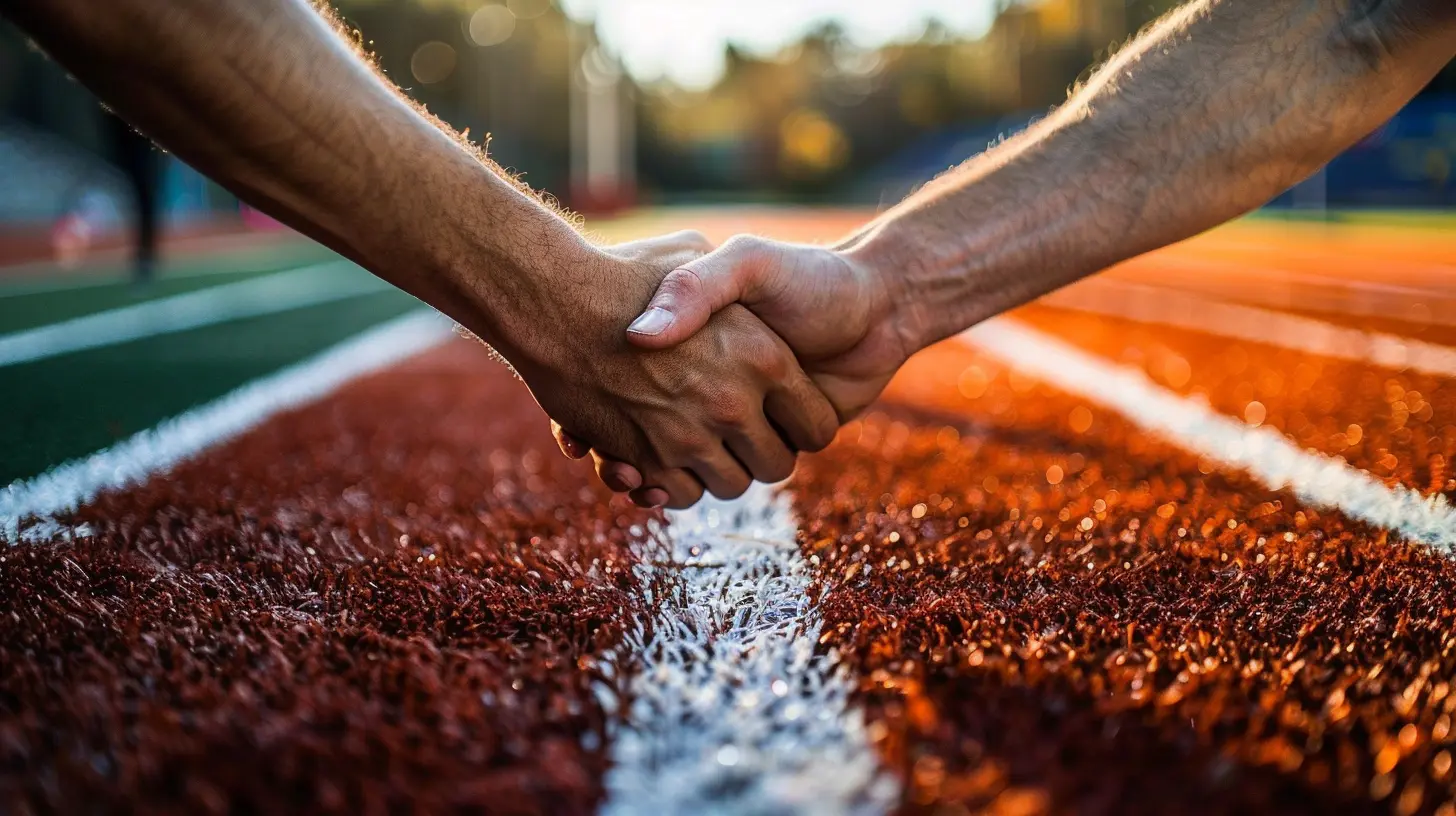
The Overlapping Traits of Sportsmanship and Leadership
Here's where things get juicy. Sportsmanship and leadership share a huge amount of overlapping qualities. Let’s check out some big ones:1. Respect for Others
Whether you're passing the ball or delegating a task, respect is vital. Leaders and sportsmen alike thrive when they value the people around them. Disrespectful behavior on the field or in a meeting room can erode trust fast.2. Accountability
Dropped the ball? Missed an assignment? Real leaders, like true athletes, own up to their mistakes. They don’t make excuses, they don’t blame others — they step up and take responsibility.3. Resilience and Mental Toughness
In both sports and leadership, setbacks are inevitable. Injuries happen. Projects flop. Being able to bounce back shows character. A good sport and a great leader both keep pushing, learning, and growing.4. Integrity and Honesty
Cutting corners in the game or at work? It may give short-term gains, but in the long run, it chips away at your credibility. Sportsmanship and leadership both demand a high moral standard.5. Empathy and Team Spirit
In sports, you win as a team and lose as a team. In leadership, the same rings true. Understanding your teammates' strengths, weaknesses, and emotions can make you not just a better player — but a better person.
Sports: The Ultimate Leadership Lab
So why do so many strong leaders come from sports backgrounds? It's simple: sports are real-time leadership training. Every match, every practice session, every win or loss is an opportunity to grow.1. Sports Build Decision-Making Skills
In the heat of the moment, athletes have to make quick decisions — pass or shoot? Press or drop back? These split-second choices build decision-making muscles that transfer beautifully to leadership roles.2. Pressure Teaches Grace Under Fire
Pressure can break you or define you. Sports teach you how to handle stress, stay focused, and keep your cool — just like any solid leader needs to do when the stakes are high.3. Communication Is Key
Whether it’s calling out a play or giving constructive feedback to a teammate, communication is critical. In leadership, clear communication can be the difference between confusion and success.4. Sports Encourage Selflessness
Ever seen a player pass up a shot to give a teammate a better opportunity? That's selflessness — and it's a hallmark of both good sportsmanship and great leadership.Famous Athletes Who Are Natural Leaders
Want some real-life examples? Let’s look at a few athletes who have shown the world how sportsmanship shapes leadership.1. Serena Williams
Incredible talent aside, Serena is a role model for grace under pressure. Her on-court composure and support for fellow athletes show maturity, humility, and leadership.2. Tom Brady
Love him or hate him, Brady exudes leadership. From intense training work ethic to motivating his teammates, he’s a textbook example of resilience and accountability.3. Megan Rapinoe
She doesn't just lead on the field; she uses her platform to advocate for women’s rights and social justice. That’s leadership with a purpose.4. Michael Jordan
He demanded excellence, not just of himself, but of his team. While his fierce competitiveness is legendary, so is his ability to inspire others.How Coaches Instill Leadership Through Sportsmanship
Let’s not forget the coaches — the unsung heroes shaping both sportsmanship and leadership.Good coaches don’t just care about the scoreboard. They care about who their players are becoming. They teach life lessons through drills, discipline, and discussions. They model the very behavior they want to see — being firm but fair, competitive but kind.
A great coach knows that it's not just about producing winners, but about building leaders both on and off the field.
Youth Sports: Planting the Seeds Early
There’s a reason parents put their kids in sports: it builds character. Even at the youth level, sports can teach crucial leadership skills.From learning to share the ball in pee-wee soccer to figuring out how to lose with grace in little league, those early experiences matter. Kids who show good sportsmanship often grow into adults who lead with empathy, confidence, and integrity.
In short, leadership isn’t learned in a day — but it can start with a game.
The Flip Side: When It Goes Wrong
Of course, not all sports stories are inspirational. Poor sportsmanship — trash-talking, cheating, throwing tantrums — can send the wrong message and create toxic environments. Sadly, some athletes confuse being aggressive with being a leader.But here’s the thing: True leadership requires maturity. And maturity comes from learning from your mistakes.
If you’ve ever been “that guy” (or gal) who overreacted after a bad call or blamed teammates during a loss — welcome to the club. What matters is what you do next. Apologize, reflect, and grow. That’s sportsmanship. That’s leadership.
How to Cultivate Both in Your Life
Want to become a better leader? Start by becoming a better sport. Here's how you can boost both traits starting today:- Celebrate teammates’ successes, not just your own.
- Accept criticism with an open mind.
- Own your mistakes and fix them.
- Stay humble — whether you win or lose.
- Support others when their chips are down.
- Lead by example, always.
Whether you're on a team, managing one at work, or just navigating daily life, these small actions stack up. Over time, they shape your character — and that’s what makes you a leader.
Final Thoughts: The Heart of the Game
At the heart of every great team, championship, and inspiring story lies a blend of sportsmanship and leadership. You really can’t have one without the other. And the beautiful part? You don’t have to be a professional athlete to carry these qualities with you.You just have to care. Care about how you treat people, how you handle winning and losing, and how you carry yourself. That’s the sweet spot where sportsmanship becomes leadership.
So the next time you’re on the field, in a meeting, or just dealing with life’s curveballs, ask yourself — am I being a good sport? Because chances are, if you are, you’re being a pretty good leader too.
all images in this post were generated using AI tools
Category:
SportsmanshipAuthor:

Ruben McCloud
Discussion
rate this article
1 comments
Elara Chavez
Great article! It highlights how sportsmanship shapes effective leaders. The way athletes handle wins and losses reflects their character and influences their teams. Leadership isn't just about strategy; it's also about integrity and respect for others.
June 23, 2026 at 4:19 AM
Ruben McCloud
Thank you for your thoughtful comment! I'm glad you found the connection between sportsmanship and leadership compelling. It truly shows how character impacts team dynamics.