Overcoming Rivalries: The Power of Sportsmanship in Competitive Sports
18 May 2026
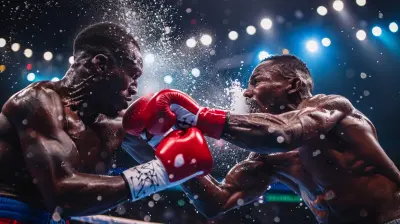
Let’s be real—sports are intense. There's nothing like the rush of a tight game, the crowd roaring, and the pressure mounting with every second. Whether it's an age-old rivalry between two teams or a face-off between individuals who’ve locked horns more than once, competition runs deep. But here's the thing... as much as we love winning, there’s something even more powerful that comes out of these fierce battles: sportsmanship.
What Is Sportsmanship, Anyway?
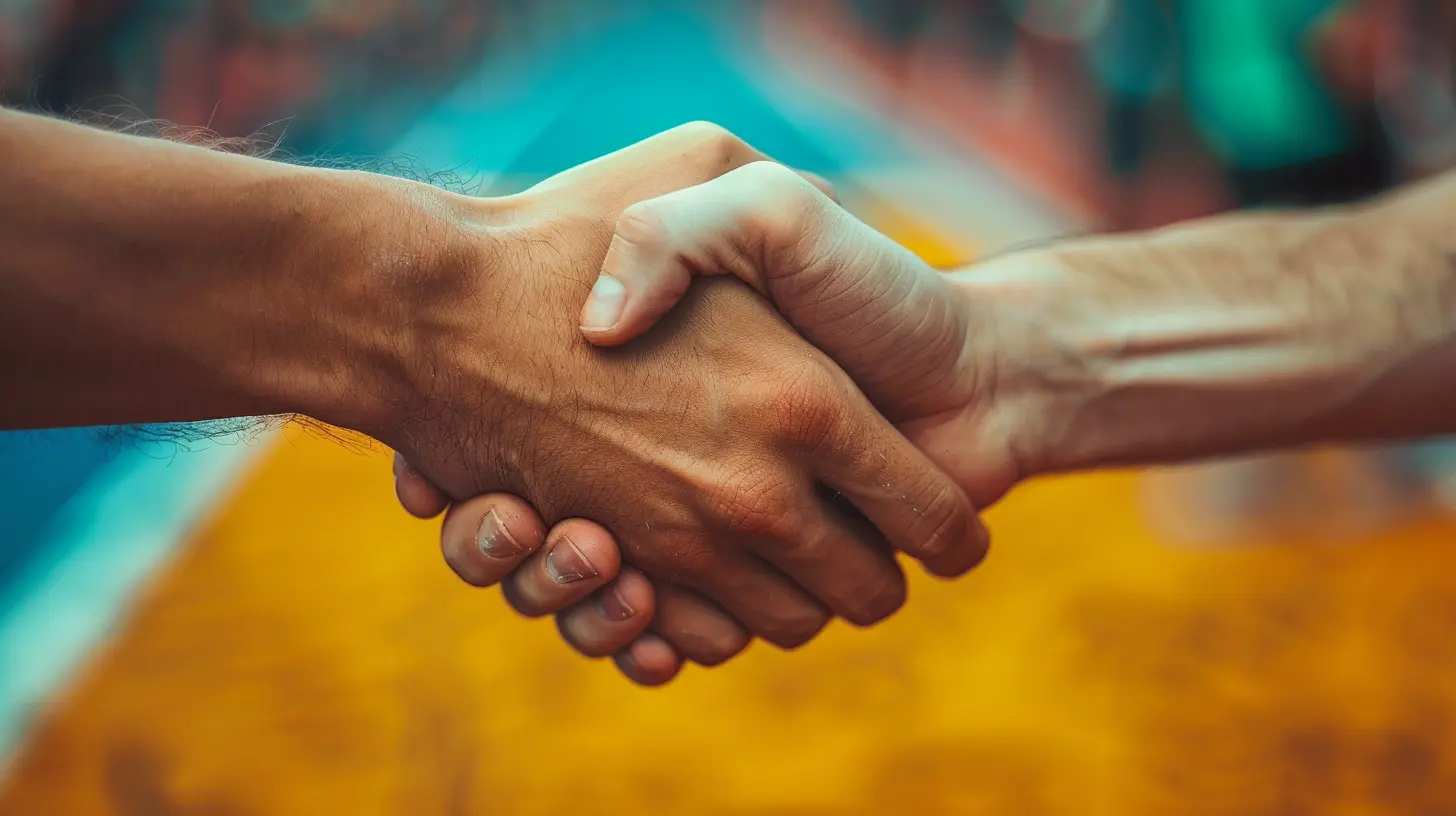
You’ve probably heard the term a thousand times—coaches yell it, parents cheer it, athletes live by it. But what is sportsmanship?In simple terms, it’s about respect. Respect for the game. Respect for your opponents. And most importantly, respect for yourself. It’s knowing how to win with grace and how to lose without excuses. It’s shaking hands after a hard-fought match and lifting someone up when they’re down.
Easy to say, tough to do? Yeah, especially when adrenaline and emotions are running wild. But that’s also what makes it so incredibly meaningful.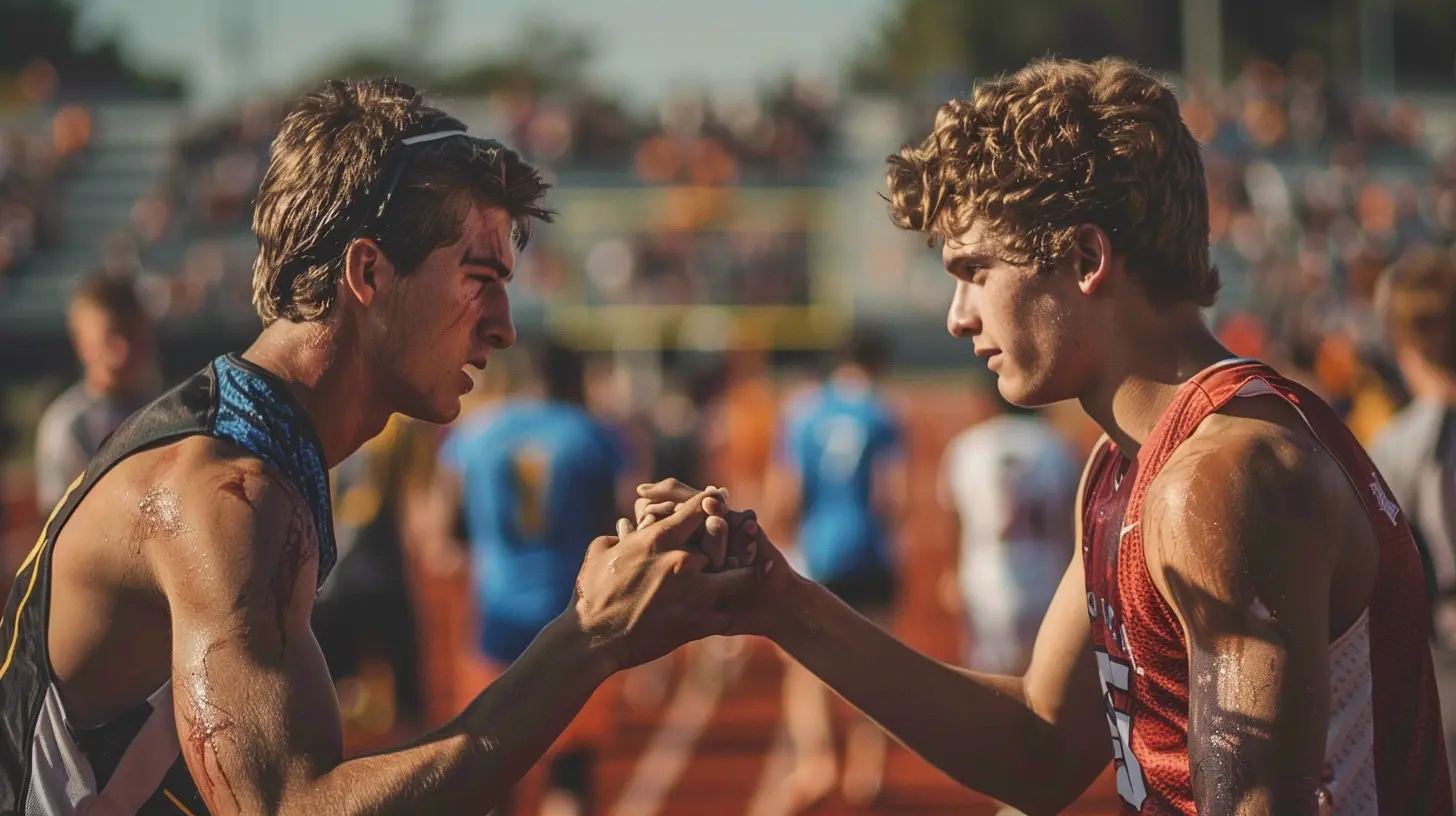
The Battle of Rivals: Fuel or Fire?
Rivalries go way back. Think Red Sox vs. Yankees, Federer vs. Nadal, Lakers vs. Celtics. These epic showdowns draw millions, and let’s be honest, we love the drama. The anticipation. The bragging rights. Rivalries add flavor to the game.But here’s the catch: rivalries can bring out the best or the worst in us.
When Rivalries Go Wrong
We’ve all seen it—pushing, trash talk, fights breaking out. Fans taking things way too far. Sometimes athletes forget they're not just playing for a title, they're representing something bigger. In moments like these, competition overshadows character. And the game? It loses its soul.That’s why sportsmanship is so important. It’s the anchor in rough seas. It’s what keeps rivalries from turning toxic.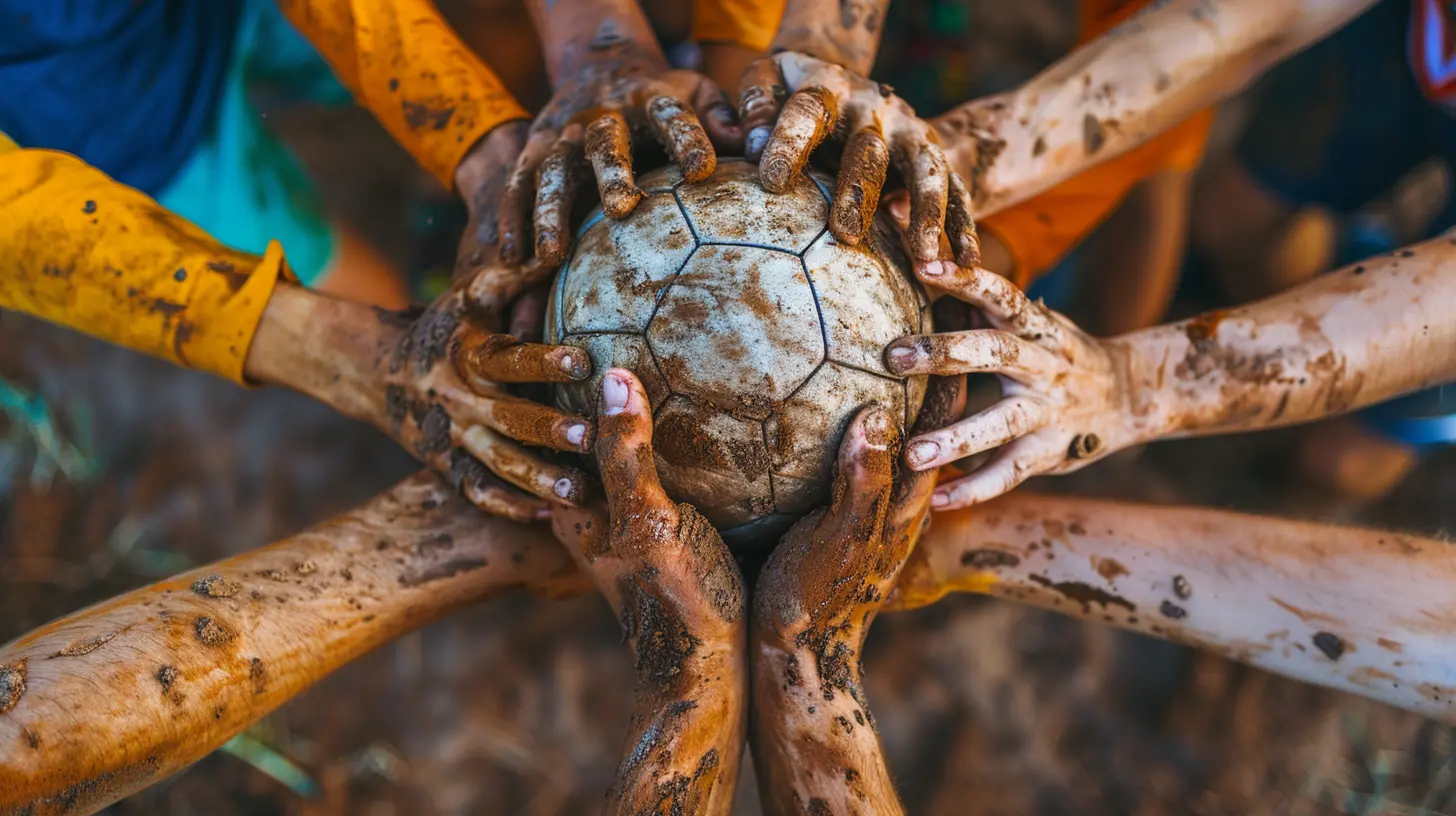
Sportsmanship: The Secret Weapon of Champions
You want to know what separates the greats from the legends? It’s not just stats. It’s not just trophies. It’s how they treat their rivals.Take Roger Federer and Rafael Nadal. On the court, they’re warriors. Off it? Friends with massive mutual respect. That’s sportsmanship. And guess what—it only enhances their greatness.
Winning Isn’t Everything—Character Is
Sure, we play to win. That’s the whole point of competition. But winning without honor? That’s just a hollow victory. Sportsmanship reminds us that how we win is just as important as the win itself.And when we lose? That’s where sportsmanship really shows its strength. Accepting defeat with dignity, congratulating your opponent, and learning from the loss—that’s character. And in the long run, character beats any scoreboard.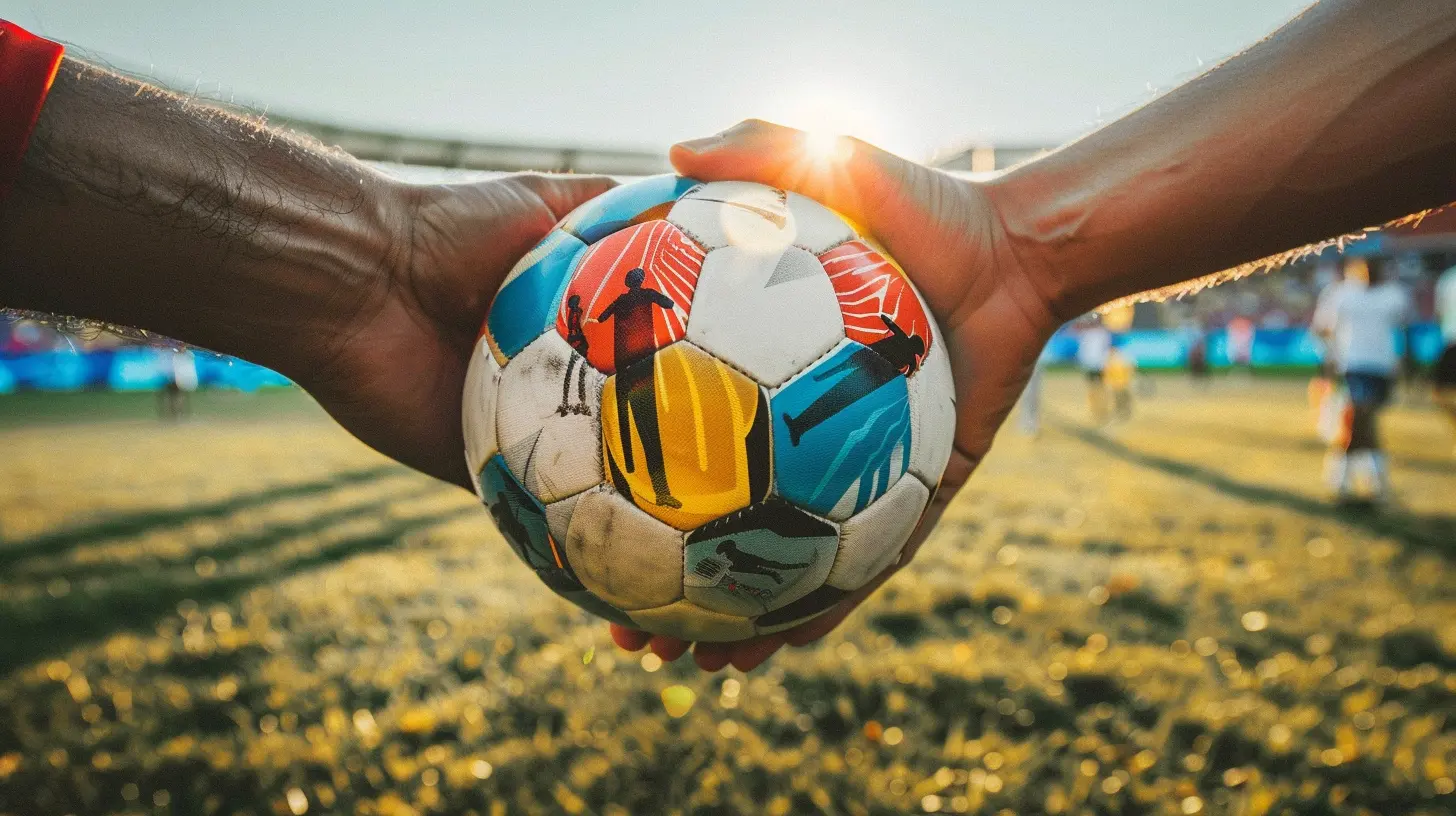
The Ripple Effect: How Good Sportsmanship Impacts the Game
Still not convinced? Let’s break it down, because sportsmanship doesn’t just affect the players—it changes the whole ecosystem of sports.1. Builds Respect Across the Board
When athletes treat each other respectfully, it sets a powerful example. Teammates follow suit. Fans follow suit. Suddenly, the entire atmosphere changes. Instead of hostility, there’s admiration—even between rivals.2. Inspires Young Athletes
Kids are always watching. They see what their heroes do on and off the field. A handshake, a hug after a tough game, a kind word to a downed opponent—these moments stick. They teach future generations that being good at sports doesn’t mean being a jerk. That’s a big win.3. Keeps the Game Clean and Competitive
Sportsmanship is the glue of fair play. It keeps athletes honest. It holds them accountable. And most importantly, it keeps the focus on the game, not the drama. With strong sportsmanship, we get cleaner games, better competition, and way more respect all around.Moments That Defined Sportsmanship
Let’s look at some powerful real-world moments where rivals put sportsmanship before winning.Kerri Strug and the 1996 Olympics
Remember Kerri Strug landing that legendary vault on an injured ankle? Her coach, Bela Karolyi, carried her to the podium. While it wasn’t an opponent showing sportsmanship, it showed the world the emotional bond within a team—and inspired countless athletes to put passion over pain.Abbey D’Agostino and Nikki Hamblin – Rio 2016
These two athletes collided in the 5000m heat, but instead of rushing back to the race, they paused to help each other up. Strangers. Competing nations. But in that moment, they were just humans showing heart.LeBron James and Derrick Rose
In a 2015 playoff series, LeBron hit a game-winner against Derrick Rose’s Bulls. Instead of celebrating in his face, he went straight up to Rose, gave him props, and embraced him. That’s class. That’s sportsmanship.How to Foster Sportsmanship in Yourself and Your Team
Okay, this all sounds great—but how do you practice sportsmanship when the heat is on? Let’s get practical.1. Start with Mindset
Your opponent isn’t your enemy. They’re your partner in pushing you to the limit. Without them, there’s no game. Respect them for showing up and giving you a challenge.2. Win and Lose with Grace
Celebrate your victories, but don’t gloat. Feel the sting of a loss, but don’t lash out. Stay humble—both in triumph and defeat.3. Acknowledge Greatness—Even If It’s Not Yours
Your rival lands a killer move? Give them credit. That dunk, that goal, that ace—it’s okay to admire the skills of the person trying to beat you. It doesn’t make you weaker. It makes you real.4. Communicate and Connect
Say “good game.” Shake hands. Compliment something they did well. These simple acts go a long way. Break down the emotional walls. You’re both on the same journey—just wearing different jerseys.Overcoming Rivalries Doesn’t Mean Killing Competition
Let’s clear something up: sportsmanship isn’t about going soft.You can be fiercely competitive and respectful. You can want to win with every fiber of your being and still honor your rival. Think of it like a chess match—you attack, you defend, you battle... but when it's over, you nod in respect.
That mutual respect is what makes the rivalry richer. It raises the bar. It makes every clash more meaningful.
When Sportsmanship Goes Viral
In today’s world of social media, good and bad behavior gets magnified. So when athletes show class, it spreads fast—and sends a message that reaches far beyond the field.Think about the thousands of likes, shares, and comments a simple act of kindness or respect gets. You might not think it matters at the moment, but someone out there is watching—and inspired.
A Challenge to All Athletes
Here’s a thought: What if we made sportsmanship as important as stats?What if coaches rewarded it, fans cheered for it, leagues recognized it more? Imagine the shift that could happen.
So here’s my challenge to you—whether you’re an athlete, a coach, a fan, or a parent: Be the reason someone remembers the beauty of the game. Not just who won it.
Final Thoughts: Play Hard, Stay Kind
In the world of competitive sports, rivalries are inevitable. But they don’t have to get ugly. In fact, they can be the perfect stage for something remarkable.True greatness in sports doesn’t come from crushing opponents—it comes from uplifting the game and everyone in it.
So the next time you're in the thick of a rivalry, ask yourself: Am I just playing to win? Or am I playing to inspire?
Because when the final whistle blows, people won’t just remember the score—they’ll remember your character.
all images in this post were generated using AI tools
Category:
SportsmanshipAuthor:

Ruben McCloud
Discussion
rate this article
1 comments
Uri Morris
Rivalries are like onions; they make you cry, but there's always a good layer!
May 21, 2026 at 4:11 AM
Ruben McCloud
That's a great analogy! Rivalries do bring depth to competition, and when approached with sportsmanship, they can lead to growth and camaraderie.