Rugby in the Olympics: The Sevens Revolution
28 April 2026
When we think about the Olympics, certain sports instantly come to mind—track and field, swimming, gymnastics. But there’s another contender that's been muscling its way into the spotlight with a burst of adrenaline and raw excitement: Rugby Sevens. Yep, you read that right—rugby. But not just the traditional 15-a-side bruising battle we’ve known for decades. We're talking about the dynamic, high-octane version of the sport that’s turning heads and winning hearts globally.
So, how did rugby carve a path back into the Olympic Games? And what's so special about this fast-paced cousin of traditional rugby? Let’s take a deep dive into the Sevens revolution and why it’s truly shaking up the Olympic scene.
A Quick History Lesson: Rugby’s Olympic Roots
Believe it or not, rugby isn’t new to the Olympic Games. It actually made its debut way back in 1900. Yup, over a century ago! Back then, it was the 15-player format we now refer to as Rugby Union. The sport featured in a few Games (1900, 1908, 1920, and 1924) before getting the boot due to complications like inconsistent participation and lack of international appeal.But like any great underdog story, rugby wasn't going to stay down for long. While Rugby Union slowly gained popularity across continents and built loyal fanbases, a more agile and electrifying version of the sport was quietly gaining traction—Rugby Sevens.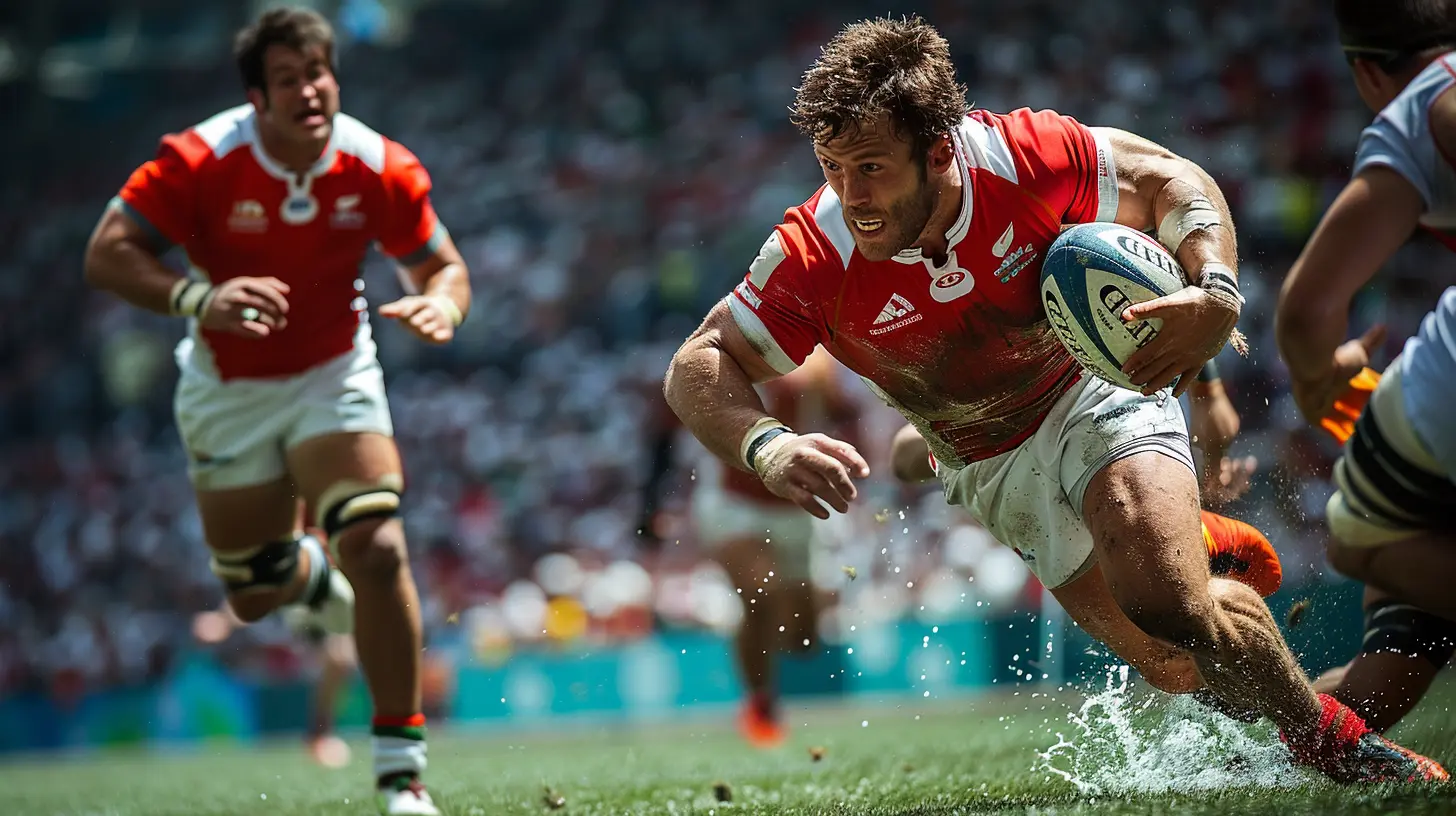
What is Rugby Sevens Anyway?
Let’s break it down: Think of Rugby Sevens as Rugby Union’s slick, fast-paced cousin. It's like comparing a marathon to a sprint. The basic rules are pretty similar, but the major twist? Teams only have seven players instead of fifteen, and matches last just 14 minutes—two halves of seven minutes each.That’s right. In just 14 minutes, you get non-stop action, bone-crunching tackles, lightning-fast runs, and more tries than you can count. No time for slow build-ups or cautious strategy. It’s all or nothing. It’s exciting, spectator-friendly, and perfect for the Olympic stage.
The Road Back: Sevens Becomes an Olympic Sport
The journey to get Rugby Sevens into the Olympics wasn’t a walk in the park. The push began as early as the 1990s with governing bodies like World Rugby (formerly IRB) campaigning hard for inclusion. Their efforts finally paid off in 2009 when the International Olympic Committee (IOC) announced that Rugby Sevens would debut at the 2016 Summer Olympics in Rio de Janeiro.Why Sevens and not the traditional 15s? Simple—Sevens fits the Olympic mold better. It’s short, intense, and ideal for tournament-style play over a few days. And let’s be honest, it’s more likely to keep viewers glued to their screens. Rugby Sevens had the “binge-worthy” factor before streaming binge-watching was even a thing.
Rio 2016: The Big Debut
The 2016 Olympics in Rio was a game-changer. For the first time in nearly 100 years, rugby returned to the Olympic arena—and wow, did it deliver. Countries that were traditionally strong in rugby, like New Zealand and South Africa, were expected to dominate. But it was Fiji who stole the show.Fiji claimed their first-ever Olympic medal in history, and it was gold. That’s right—Fiji became Olympic champions. Their victory wasn’t just a sporting achievement; it was a cultural moment. The entire nation went wild. It was rugby redemption at its finest.
On the women’s side, Australia clinched the first gold medal in women’s Rugby Sevens, showing that this version of the sport was as competitive and captivating for women as it was for men.
Tokyo 2020 (Played in 2021): Cementing the Legacy
The Tokyo Olympics—though delayed due to the COVID-19 pandemic—brought Rugby Sevens back for a second round, and once again, it didn’t disappoint. Fiji defended its title in the men's tournament, showcasing their unmatched flair and finesse on the field.What stood out in Tokyo was how much the sport had grown in just five years. New nations were competitive. The gap between the traditional rugby giants and emerging teams was closing fast. Women's Rugby Sevens, in particular, showed leaps in skill and athleticism, proving it had every bit the drama and excitement of the men’s game.
Why Rugby Sevens Works So Well in the Olympics
You might be wondering—what’s the secret sauce? Why does this particular version of rugby resonate so deeply with the Olympic spirit?Let's chalk it up to five key factors:
1. Speed and Excitement
Matches are short but explosive. You don’t need to invest hours to get the thrill of victory and agony of defeat. It’s like watching a highlight reel of drama and action.2. Global Appeal
Sevens is accessible. It doesn’t require massive squads or extensive resources, making it more inclusive for countries without deep rugby traditions. That’s why you see nations like Kenya, the USA, and even Brazil making waves.3. Unpredictability
Unlike some sports where the usual suspects dominate, Sevens has a wild card factor. Upsets are frequent, and underdogs often rise to the occasion. That keeps fans on the edge of their seats.4. Gender Parity
The inclusion of both men's and women's tournaments puts a spotlight on female athletes. And with the action-packed nature of Sevens, the women’s matches are just as thrilling—if not more.5. Entertainment Value
Let’s face it, Sevens is just plain fun to watch. It’s got the intensity of football, the speed of basketball, and the raw physicality of combat sports—all packed into a format you can binge in an afternoon.The Sevens Culture: More Than Just a Game
Here’s something not everyone realizes—Rugby Sevens has its own vibe. It’s not just about the sport; it's about the atmosphere. Think music, costumes, dancing fans, and contagious energy. Events like the Hong Kong Sevens or the Dubai Sevens are as much festivals as they are sporting tournaments.That culture has slid right into the Olympics, giving it a jolt of youthful exuberance and global flair. It’s the kind of energy that complements the Olympic brand perfectly.
The Growth of Sevens Post-Olympics
The Olympic spotlight has done wonders for Rugby Sevens. Since 2016, there’s been a noticeable rise in youth participation, especially in countries where rugby was off the radar. From grassroots programs to university leagues, Sevens is becoming the go-to format for introducing young players to rugby.Plus, professional Sevens tournaments like the HSBC World Rugby Sevens Series have enjoyed increased viewership, better sponsorships, and broader international involvement.
Impact on Traditional Rugby
Here’s the twist—not only has Rugby Sevens grown, but it’s also injected life into traditional rugby formats. More people now understand the basics of rugby thanks to Sevens. It’s become a gateway sport. Think of Sevens as the sparkling intro song that leads you to watch the full album.Even coaches and analysts have begun borrowing tactics from Sevens to apply in 15s. The movement, spacing, and support play in Sevens have made traditional rugby more dynamic than ever.
The Future of Rugby in the Olympics
So where does it go from here? The Paris 2024 Olympics are just around the corner, and anticipation is high. Rugby Sevens is no longer the "new kid" on the Olympic block—it’s a certified crowd favorite.Looking beyond 2024, there’s chatter around expanding participation, increasing visibility of women’s tournaments, and maybe even exploring mixed-gender matches in exhibition formats. The possibilities? Practically endless.
Final Thoughts: The Sevens Revolution is Just Getting Started
Rugby in the Olympics was once a distant memory, but thanks to the fast-and-furious Sevens format, it's now a vibrant part of the Games' future. It brought history full circle, gave birth to new legends, and inspired global communities—some of whom had never heard of a try or a ruck before.So whether you’re a seasoned rugger or just a curious Olympic viewer, one thing’s for sure: Sevens is here to stay. And if you haven’t caught a match yet, what are you waiting for? Grab your jersey, find a screen, and prepare to fall head over heels for the beautiful chaos that is Rugby Sevens.
all images in this post were generated using AI tools
Category:
RugbyAuthor:

Ruben McCloud
Discussion
rate this article
1 comments
Melina Palmer
Rugby Sevens at the Olympics showcases the sport's dynamic evolution and global reach. It transcends traditional boundaries, uniting diverse cultures through thrilling competition. Yet, one wonders: amidst the excitement, will the essence of rugby's camaraderie and spirit endure in this fast-paced format?
May 5, 2026 at 3:27 AM
Ruben McCloud
You raise a great point. The speed and excitement of Rugby Sevens do challenge traditional values, but I believe the spirit of camaraderie can still thrive. The shared passion for the game can unite players and fans alike, even in this fast-paced format.