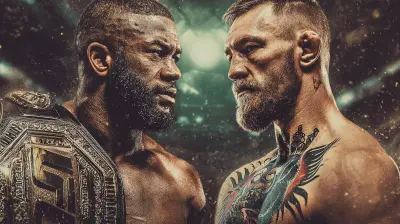
Sportsmanship and the Golden Rule: Treating Opponents Like Teammates
21 May 2026
Ah, sportsmanship. That old chestnut. The thing coaches preach about just before they tell you to “crush the other team” with the intensity of a caffeinated rhino. And yet, somehow, we're supposed to balance fair play and fire-breathing competitiveness like some sort of emotional trapeze act. It’s like being told to win a sword fight by hugging your opponent—you see the problem, right?
But here's the kicker: sportsmanship isn’t about being a fluffy, weak-kneed pushover who lets the other team score just because you’re in a generous mood. Nope. It’s about having the guts to treat the people trying to beat you like… well, people. Shocking, I know. So, grab a seat, lace up those metaphorical cleats, and let’s dive headfirst into the wonderfully ironic world of treating your opponents like teammates.
What Even Is Sportsmanship, Anyway?
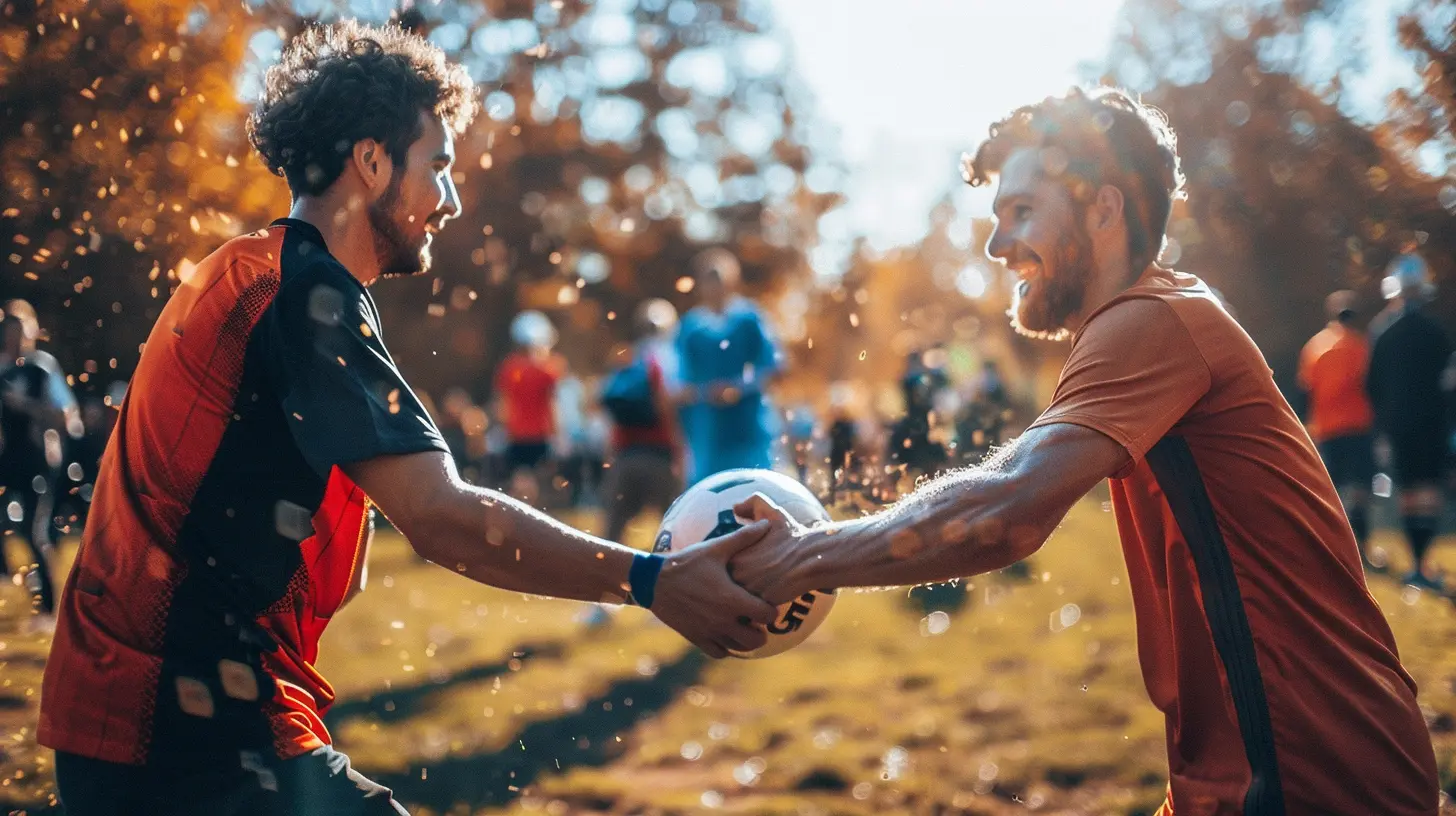
Let’s start here—because let’s face it, “sportsmanship” gets thrown around more than a frisbee at a college campus.At its core, sportsmanship is about respect. Respect for the game, for the rules, for the refs (even when they clearly need glasses), and—most importantly—for your opponents. Yes, those same humans standing between you and eternal glory (or the end-of-season pizza party, which is basically the same thing).
It’s easy to root for your teammate when they score. But can you nod your head or clap (just once, don’t get crazy) when an opponent makes a killer play? That’s sportsmanship. It’s being competitive without being a complete jerk.

The Golden Rule: Not Just for Kindergarten
“Treat others as you’d like to be treated.” Ring a bell? Maybe you remember it from that poster on your elementary school wall wedged between the alphabet chart and an oddly terrifying cartoon owl reminding you that reading is “hoooot!”Well, guess what? The Golden Rule wasn’t just made up to keep 5-year-olds from stealing each other’s crayons. It works in sports too. In fact, it's arguably even more important when everyone involved is hopped up on adrenaline and spandex.
Let’s face it. If you take a cheap shot, scream at someone, or celebrate a little too hard when they mess up... Would you want someone doing that to you? Didn’t think so. Golden Rule logic, my friend. It ain’t revolutionary, but it’s effective.
Why Should I Care? (Besides Looking Like a Decent Human Being)
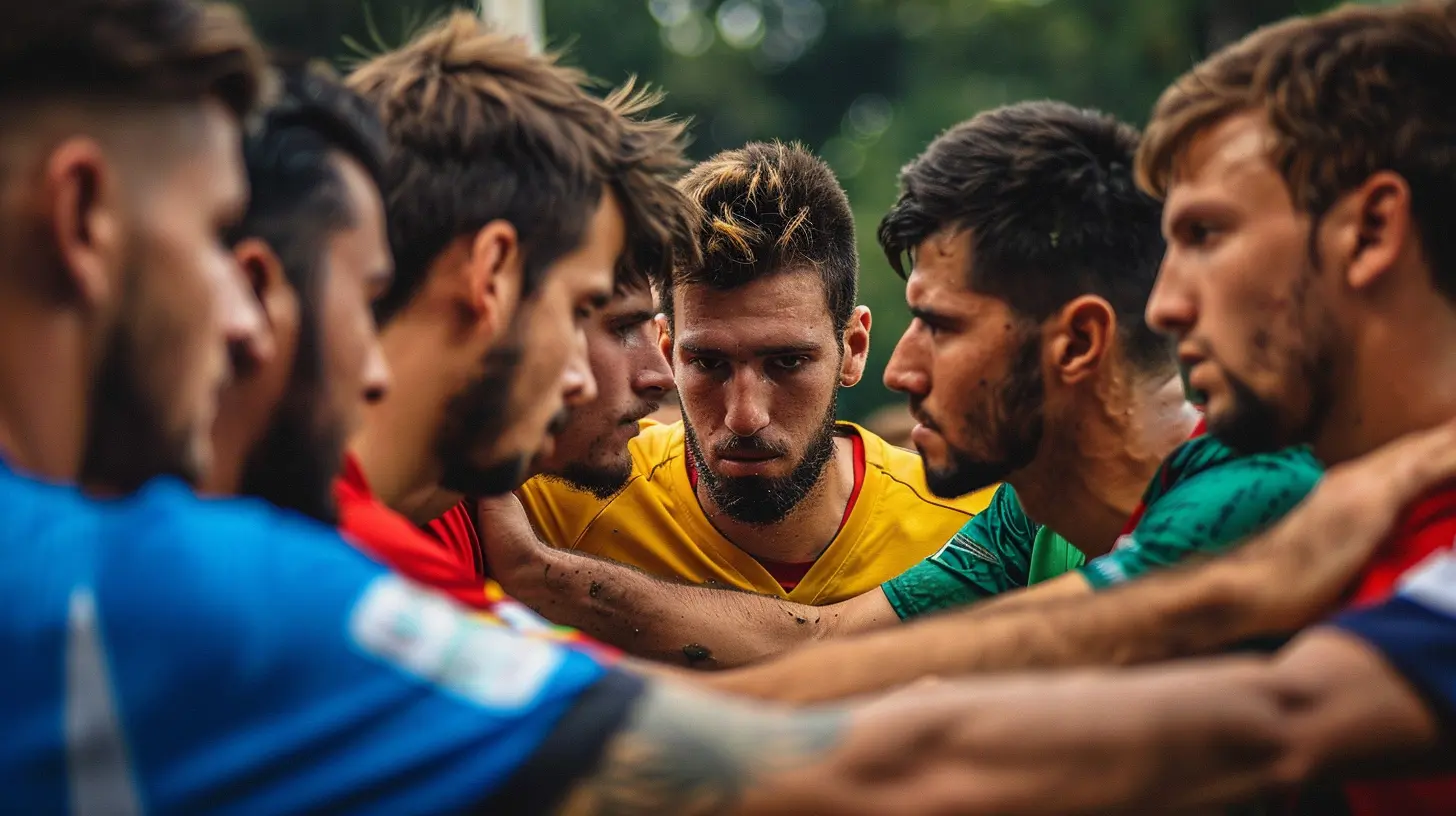
Okay, okay, I hear your skepticism. “Why bother with this sportsmanship nonsense? I’m just trying to win, not make new BFFs.”Fair. But here’s the thing—sports aren’t just about wins and losses. (Cue dramatic gasp.) They’re about the experience and the lessons learned along the way. I know, it sounds like a line from a Disney movie, but hang in there.
Here are a few not-so-corny reasons to treat your opponents like teammates:
1. Karma’s Got a Whistle
Let’s be real. If you’re a jerk on the court, it’s going to come back around. Whether it’s losing the respect of others, dealing with your own teammates giving you the side-eye, or simply realizing you’ve become That Guy (or That Girl). You know, the one everyone hopes trips over their own shoelaces.Being known as someone who plays hard and fair? That reputation sticks—and in a good way. It’s like being known for bringing cupcakes to practice. Everyone loves that person.
2. You Might Actually Learn Something
Crazy idea: your opponent might be good at something you’re not. And if you’re not busy trying to mentally vaporize them, you might pick up a thing or two.Take a beat during the game to appreciate someone’s hustle or skill. Doesn’t make you weak. It makes you observant. Like a sports ninja. Respecting your opponent means seeing them as worthy competition—not as enemies in a war zone.
3. Trash Talk Is So Last Season
Look, we all love a little playful jab here and there. Who doesn’t like a well-timed “you call that a jump shot?” But if it crosses the line into being nasty or personal, it’s like serving guacamole with spoiled avocados—no one asked for that, and now everything’s ruined.Classy athletes don’t need to tear people down to win. They just play better. Let your game talk louder than your mouth.
How to Actually Do It: Sportsmanship in Action
Fine, you’re convinced (or at least mildly curious). But what does "treating opponents like teammates" actually look like when you’re mid-game and things are getting heated?Here are a couple of pro-moves you can pull off without sacrificing your competitive edge:
1. The Classic “Good Game” Handshake
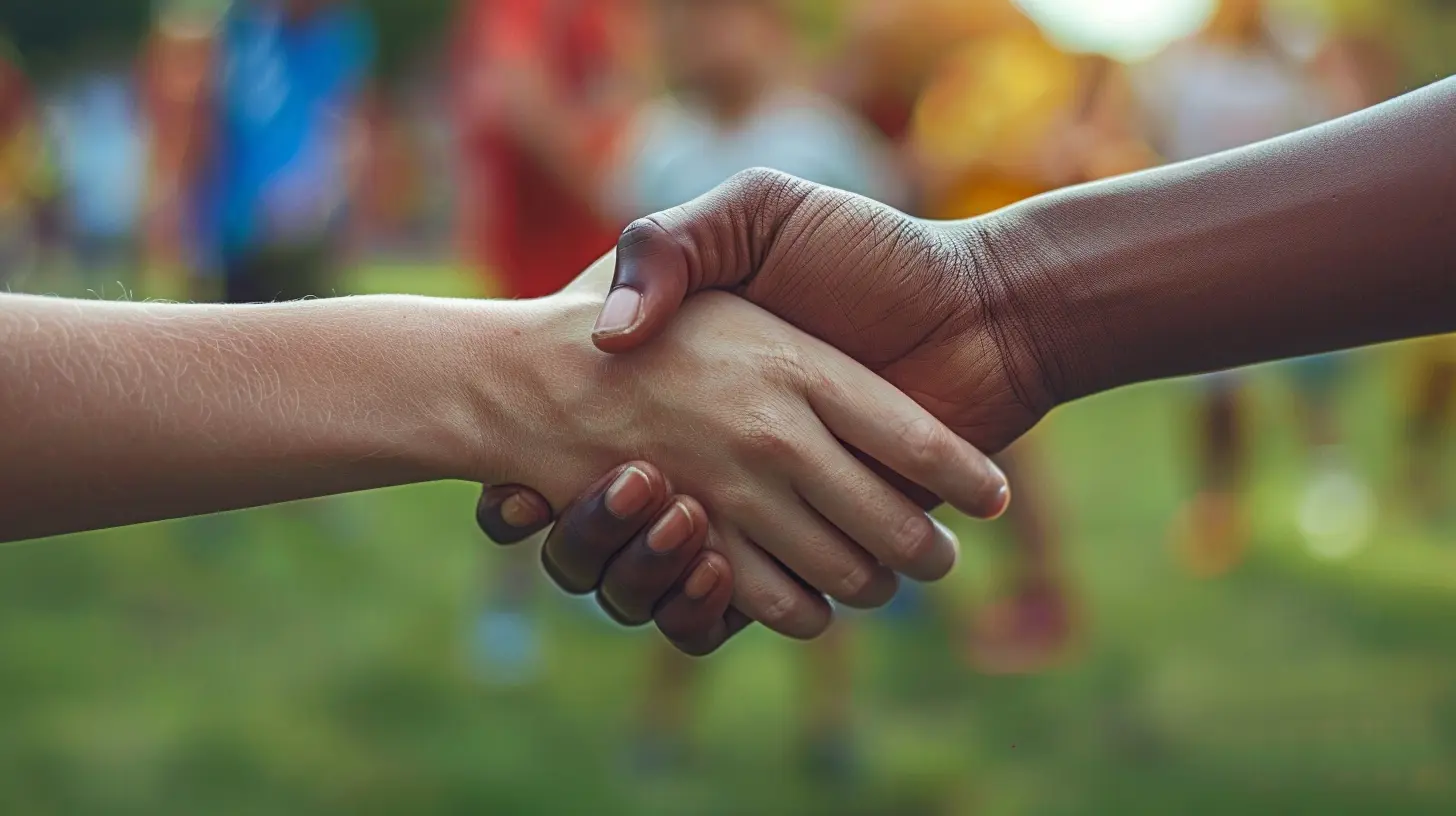
Seems simple, but this ancient tradition—right up there with fire and sliced bread—still counts for something. Win or lose, offering that handshake (fist bump, elbow tap, awkward nod… whatever COVID-safe version is still in vogue) shows maturity, respect, and hey, a smidge of class.Even better? Mean it! Don’t zombie your way through like your soul left your body when the ref blew the final whistle.
2. Help 'Em Up
You just sent someone tumbling during a play. (Totally legally, of course.) They’re down. What now?You could smirk, walk over their prone body, and bask in your dominance... OR, hear me out, you could offer them a hand.
Helping someone off the ground isn’t surrender—it’s strength. It's a flex, really. It says, “I’m good enough to knock you down and decent enough to help you up.”
3. Say Nice Things (Even If It Hurts)
Caught yourself admiring that opponent’s volleyball spike, jump shot, or diving save? Say something!Unleashing a casual “Nice shot” or “That was solid” doesn’t just make you sound like a good sport—it feels good. Like, “I’m secure enough in my own skills to praise yours.” Bonus: it completely throws people off. Nothing’s more disarming than kindness during competition.
4. Don’t Be That Celebrator
Scoring is exciting. We get it. But if your celebration looks more like an interpretive dance in honor of your own greatness, maybe take it down a notch.Celebrate with your team? Love that. Humiliate your opponent while you're at it? Not cool. You don’t have to throw a parade every time you land a three-pointer. Save the fireworks for the Fourth of July.
But What If They’re Jerks First?
Ah, the age-old dilemma. What if the other team—or that one player—is obnoxious, petty, or downright mean?Well, you’ve heard this one too: two wrongs don’t make a right. They just make an embarrassing YouTube compilation later.
Remember, someone else’s bad behavior doesn’t give you a green light to stoop to their level. You don’t have to give them a standing ovation. Just… don’t be them. Set the example.
And hey, if you play the game right (literally and figuratively), they just might respect you for it. Eventually.
Famous Examples That Didn’t End in Fistfights
Don’t believe real athletes can actually be competitive and kind? Oh ye of little faith.Remember Derek Jeter, the king of cool-headed sportsmanship? Or how about when Abby Wambach hugged an opponent after a hard-fought match, regardless of the score?
Let’s not forget that Olympic moment in 2016 when long-distance runners Nikki Hamblin and Abbey D’Agostino collided, then helped each other finish the race. Literal tears were shed, folks. And not just because of injuries.
These aren’t awkward side stories in the world of sports. These are the mic-drop moments that get remembered.
Treating Opponents Like Teammates Doesn’t Mean Going Soft
Let’s clear something up: being respectful doesn’t mean you stop competing. You don’t turn into a game-show host waving everyone forward.Sportsmanship means playing your heart out, giving everything you’ve got, and still treating opponents with basic decency. It’s like racing someone up a hill—you’re going to run like mad, but you won’t trip them to get ahead.
The best athletes—the legends—are the ones who know how to balance the beast mode with being a decent person. They don’t just win games. They win respect.
Final Whistle Thoughts
Sports are weird. They're this battleground where people agree to fight it out for fun. But what makes them truly awesome isn’t just the adrenaline or the trophies—it’s the mutual respect.So next time you're suited up and locked in, remember: your opponent isn’t your enemy. They’re just the other side of the same coin. Without them, there’s no game at all. Think of them as temporary teammates—there to push you, challenge you, and make the whole thing worth it.
And hey, if you still crush them on the scoreboard while high-fiving them after? Even better.
all images in this post were generated using AI tools
Category:
SportsmanshipAuthor:

Ruben McCloud
Discussion
rate this article
1 comments
Betsy Middleton
This article highlights an important aspect of sports that often gets overlooked. Emphasizing respect for opponents creates a positive environment, benefiting everyone involved. Upholding the Golden Rule can lead to better competition and foster lasting connections beyond the game itself.
May 29, 2026 at 5:03 AM
Ruben McCloud
Thank you for your thoughtful comment. I completely agree that respect and the Golden Rule can transform sports into something much more meaningful.