Sportsmanship in the Age of Social Media: Maintaining Integrity Online
7 May 2026
Remember the good ol’ days when sportsmanship was mostly a handshake at the end of the game and the occasional pat on the back? Fast-forward to today, and now it’s likes, retweets, and viral TikToks. We’ve taken the game to the digital field, and let’s just say... not everyone’s playing by the rules.
So, how do you keep your head, heart, and hashtags in line? Let’s dive into the wild world of sportsmanship in the era of social media and find out how to stay classy even when your team gets clobbered—or when you're the one doing the clobbering.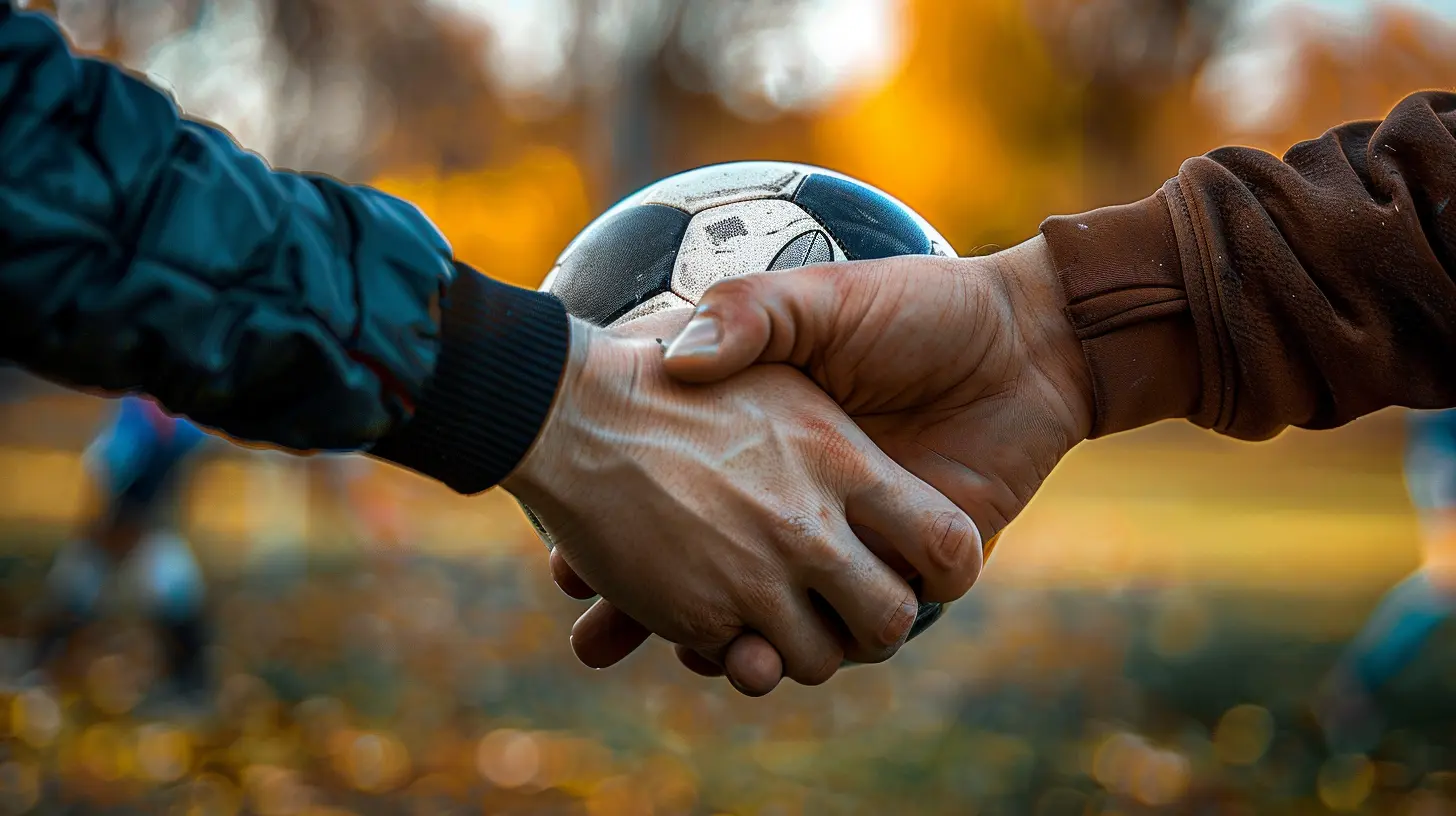
Welcome to the New Arena: The Internet
Social media isn’t just a place to post your “game-day fit” or share a 30-second clip of your buzzer-beater. It’s now a full-on arena where players, fans, coaches, and even grandma with zero understanding of offsides comment, critique, and meme-ify everything.Now, I love a great sports meme as much as the next person—who doesn’t?—but we’ve crossed a few lines, haven’t we?
Whether it’s heckling athletes, trash-talking rivals, or showing off in a way that screams, "Look at me, I’m the GOAT!" (even though you missed three layups), social media is where sportsmanship is constantly being tested.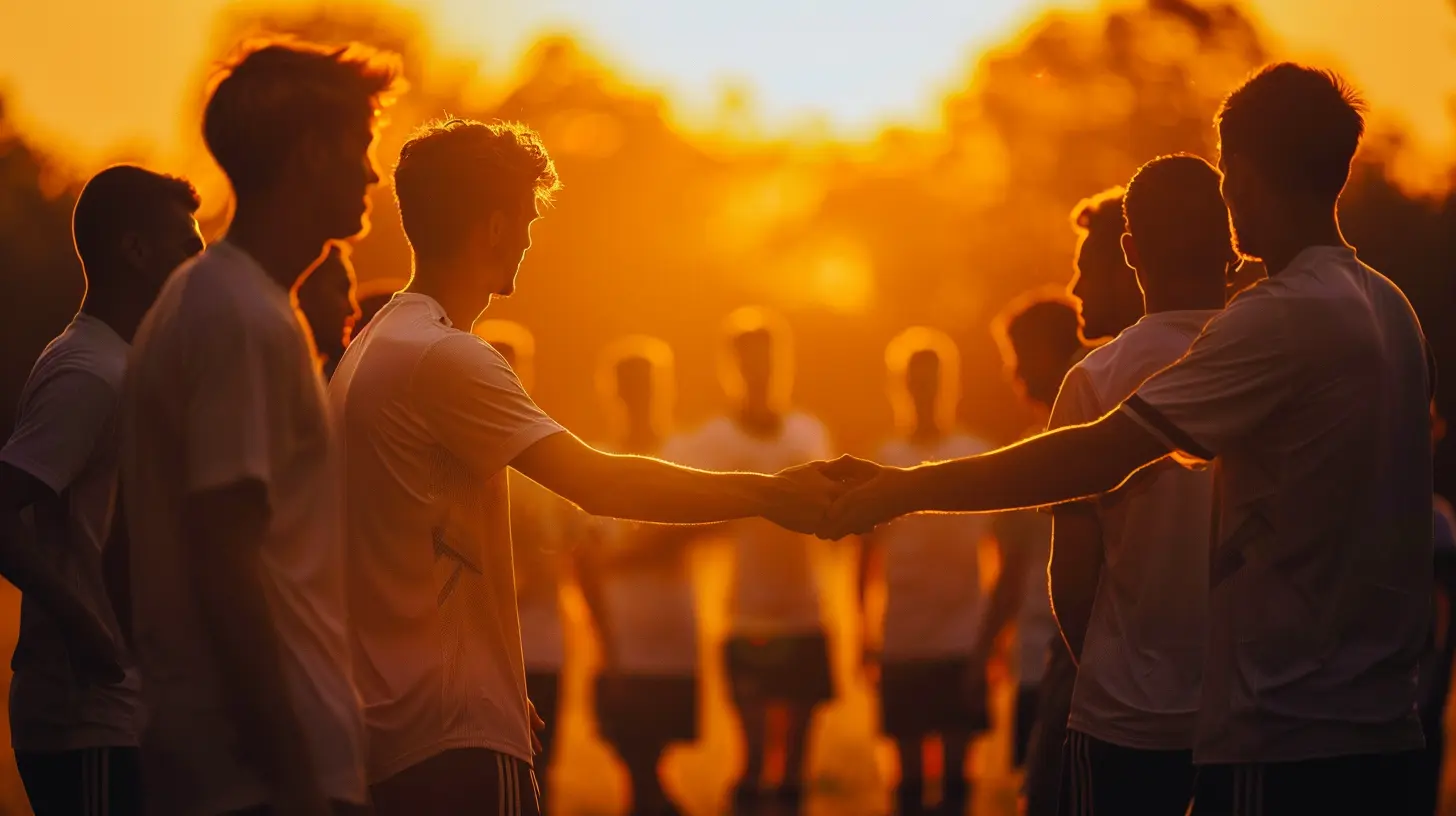
What Even Is Sportsmanship?
Good question, my digitally-savvy friend. Sportsmanship is all about respect—respect for your teammates, your opponents, the referees (yes, even them), and the game itself. It’s playing fair, being humble in victory, and gracious in defeat. Think of it as the secret sauce that makes competition actually worth watching.But here's the kicker (pun intended): Sportsmanship isn’t just for the field anymore. We now have to carry that same spirit onto the internet. And trust me, that’s where things can get messy.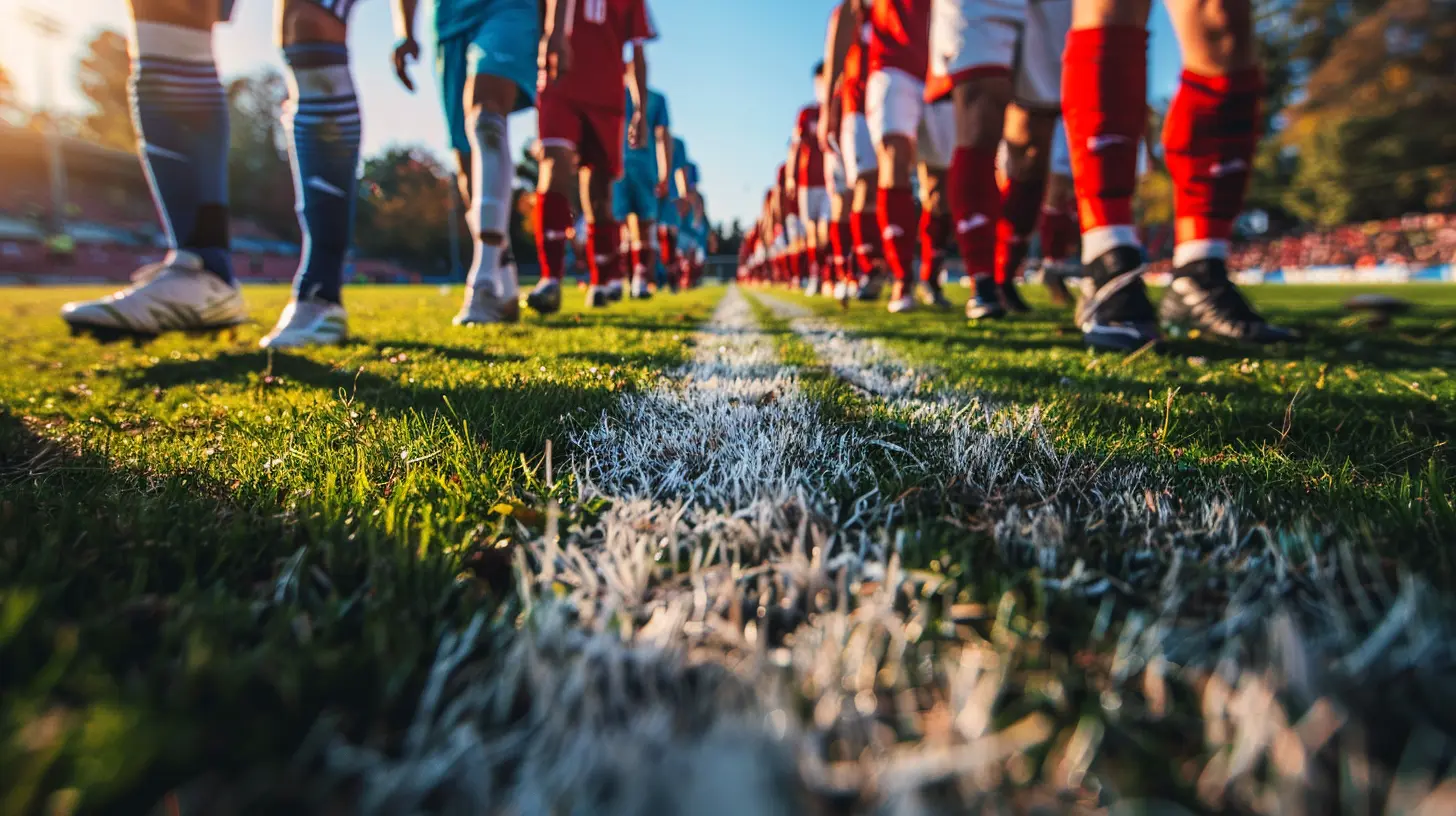
The Rise of Keyboard Warriors
Let’s talk about the not-so-lovable tribe of trolls known as “keyboard warriors.” These folks will roast a player for missing a penalty as if they’ve never tripped over their dog getting off the couch. They hide behind fake usernames and profile pics of cartoon animals, spewing negativity like it’s their full-time job.One bad game? They’ll call for you to retire.
One missed shot? You’re "overrated trash."
Let’s be real—this isn’t critique. It’s just online heckling with a Wi-Fi connection. And worse, it can have serious consequences on athletes' mental health.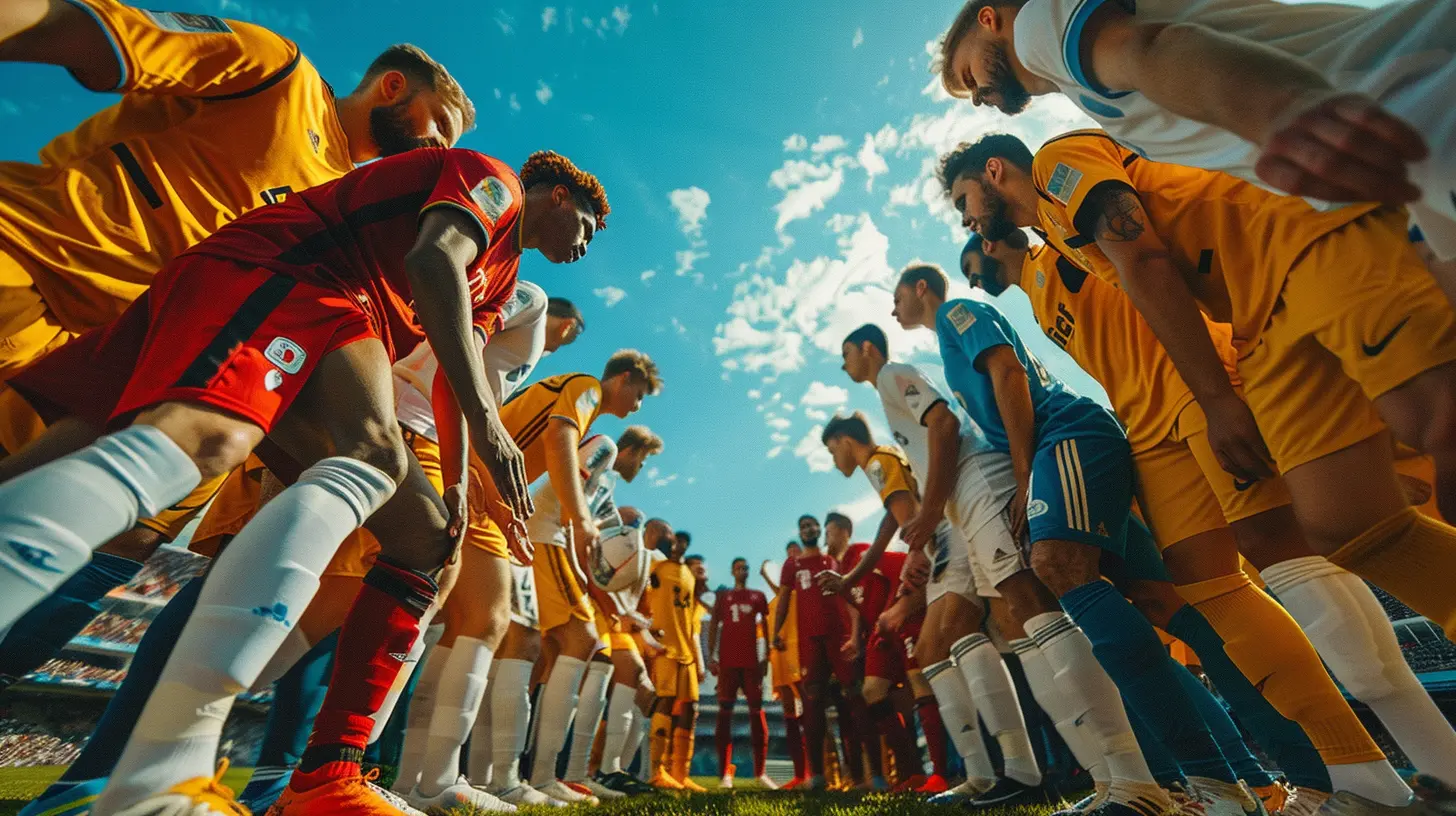
Athletes are Human, Not Hashtags
Before you go tagging your favorite player in a fiery post about how they "let the whole squad down," pause for a second. That person has emotions, a family, and probably a playlist dedicated to self-hype.When we treat athletes like characters in a video game instead of real people, sportsmanship flies straight out the digital window. Criticism is part of the game, sure, but downright nastiness? That’s just foul play.
And athletes themselves? They’re in the spotlight, 24/7. One wrong tweet, and boom—cancelled faster than a bad reality show.
The Good Side of Social Media in Sports (Yes, There’s Hope)
Alright, let’s not get all doom and gloom. There’s plenty of good stuff happening too.Athletes using their platforms for charity work? Gold star.
Fans lifting up an injured player with positive messages? Chef’s kiss.
Teammates hyping each other up in comments like they’re in a never-ending bromance? We love to see it.
Social media, when used right, is a powerful tool for connection, community, and yes, sportsmanship. It’s about using your platform to build people up, not tear them down.
Viral Doesn’t Mean Virtuous
You know what gets clicks? Drama. Shade. Mic-drop moments. But just because something goes viral doesn’t mean it’s the right move.Let’s say you post a video after beating your rival school, doing a victory dance on their mascot’s statue. Funny? Maybe. Respectful? Not even close. And once it’s online, it’s in the public court of opinion—forever.
What if we flipped the script and celebrated graceful gestures instead? A clip of helping a fallen player up? A tweet shouting out an opponent’s great game? That’s the content we need more of.
Coaches, Parents, and Influencers: The Sideline Crew
It’s not just players and fans who need a sportsmanship reality check. Coaches, parents, and everyone with a sideline seat (or thousands of followers online) have a responsibility too.There’s nothing worse than seeing a grown adult trash-talking teen players in the comment section like it’s their mission in life. Constructive feedback? Cool. Full-blown rants? Not cool.
Coaches should encourage players to use social media to promote team spirit, not stoke rivalries. Parents should model respectful behavior both online and off. And influencers? If you’re monetizing sports content, you better be promoting positivity, not provoking drama.
How to Keep It Classy Online
Here’s the playbook, folks. You want to maintain integrity and still enjoy the digital madness of sports? Follow these simple rules:1. Think Before You Type
Would you say it to their face? If not, maybe don’t tweet it either.2. Win With Humility
Celebrate, sure. But leave room for grace. No one likes a sore winner.3. Lose With Dignity
You lost. It stings. Still, no need to lash out online or blame the refs (even if they were blind as bats).4. Support Your Squad… and the Other One
You can cheer for your team and still respect the opponent. The two aren’t mutually exclusive.5. Use Your Platform for Good
Highlight the good stuff. Uplift. Encourage. Be the kind of digital teammate everyone wants.The Power of Pause
In the heat of the moment, it’s easy to smash that “post” button. You’re hyped. You’re angry. You’ve got a fire meme that’s just begging for exposure.But pausing—even just five seconds—can save you from posting something you’ll regret. That pause? That’s digital sportsmanship at work.
And hey, if your clapback is that good, it'll still be good in 10 minutes. Probably even better after a re-read.
When Athletes Clap Back (And Should They?)
Let’s not pretend athletes are saints. They’re human, remember? And sometimes, they get sick of the hate and decide to fire back.Some of these comebacks? Hilarious. Others? Not so much.
But here’s the dilemma: Should athletes even engage with online negativity?
It’s a tightrope walk. Responding can show they're not just passive targets—but it can also spark a digital firestorm. Sometimes the classiest move is silence. Like mom always said, “If you can’t say something nice... turn off the comments.”
Creating a New Legacy
Sportsmanship isn’t dead—it’s just evolving. And in this new age where Instagram captions matter, and TikTok dances go viral faster than flu season, integrity must become part of the brand.Imagine a world where sports were still competitive (because sports without competition is just group yoga), but also respectful, uplifting, and just a little less toxic. Where players got props for a clean tackle as much as a crazy goal. Where fans argued play calls without insulting someone’s mom.
We can build that world. It starts with you, me, and yep—our thumbs.
Final Whistle: Let’s Not Be That Guy
Don’t be the person who ruins the comment section. Don’t be the athlete who flames their rivals online. Don’t be the coach who goes viral for a post-game tantrum. Be the one who brings the spirit of the game—not just the flame.Because sportsmanship isn’t old-school—it’s always in style. And in a world where your words live forever... you might as well make them count for something good.
So, next time you’re online after a game, ask yourself: Am I lifting the game up or dragging it down?
If you answered “lifting,” congrats—you’re the real MVP.
all images in this post were generated using AI tools
Category:
SportsmanshipAuthor:

Ruben McCloud
Discussion
rate this article
1 comments
Astoria Wilson
Great insights on balancing sportsmanship and social media.
May 22, 2026 at 3:38 AM
Ruben McCloud
Thank you! I'm glad you found the insights helpful. Balancing both is crucial in today's digital age.