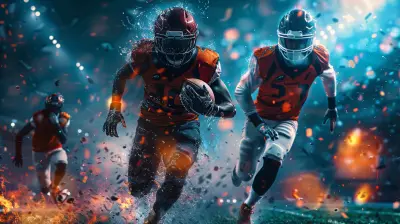
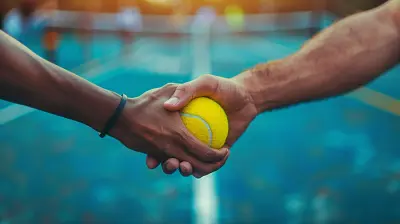
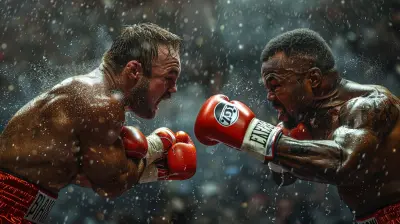
Teaching Kids the Value of Sportsmanship from Day One
3 June 2026
Imagine this—your kid standing on the sidelines of a little league game, eyes locked on the ball, heart pounding, the crowd cheering. They’re not just learning how to hit or catch. They’re soaking in life lessons that’ll stick with them for years. At the core of it all? Sportsmanship. And the earlier we teach it, the stronger it sticks.
In a world of participation trophies, viral tantrums, and instant gratification, true sportsmanship can feel like a lost art. But here’s the kicker—it’s not. Not if we start early, stay consistent, and lead by example.
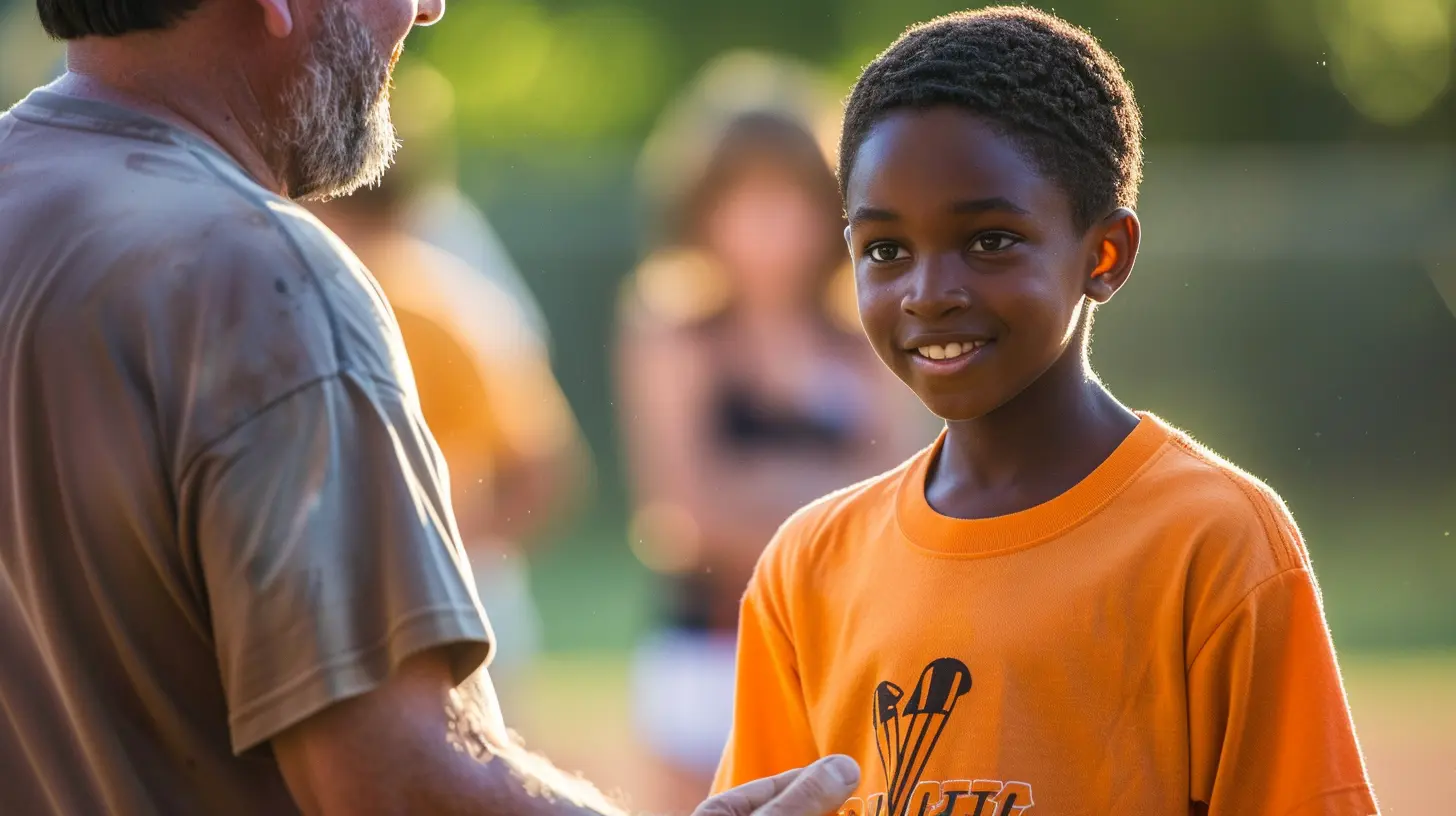
Why Sportsmanship Should Be a Day-One Lesson
Let’s be real. Kids are sponges. They watch how we react when someone cuts us off in traffic or how we mutter under our breath when our favorite team loses. They’re always watching, learning, mimicking.So, when we talk about teaching sportsmanship from day one, we’re really talking about setting the tone before they even learn to shoot a basket or swing a bat. We're creating a mindset. One that says, "Winning is great, but respect, effort, and integrity? That’s what really counts."
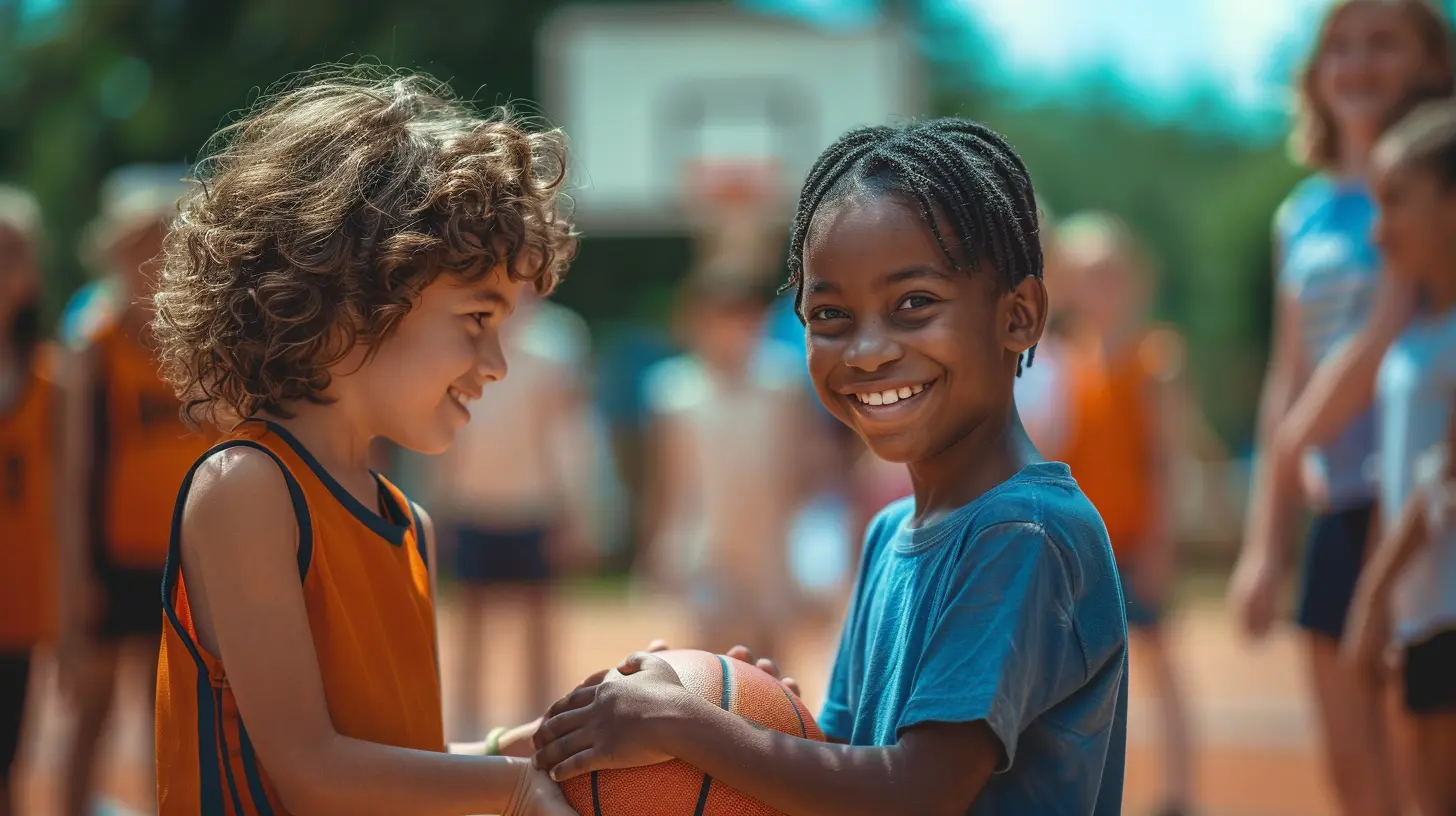
What Exactly Is Sportsmanship, Anyway?
Think of it as the soul of sports. It’s not just shaking hands after a game or saying “good job” to the other team. It’s about playing fair, showing respect, and keeping your cool even when emotions run high.At its core, sportsmanship is:
- Respecting opponents and officials
- Playing by the rules
- Accepting wins with humility and losses with grace
- Supporting teammates, even when they fumble
Sound simple? Maybe. But anyone who's ever coached kids knows those lessons aren't taught in a single practice. They're built over time, with every game, every mistake, every victory.
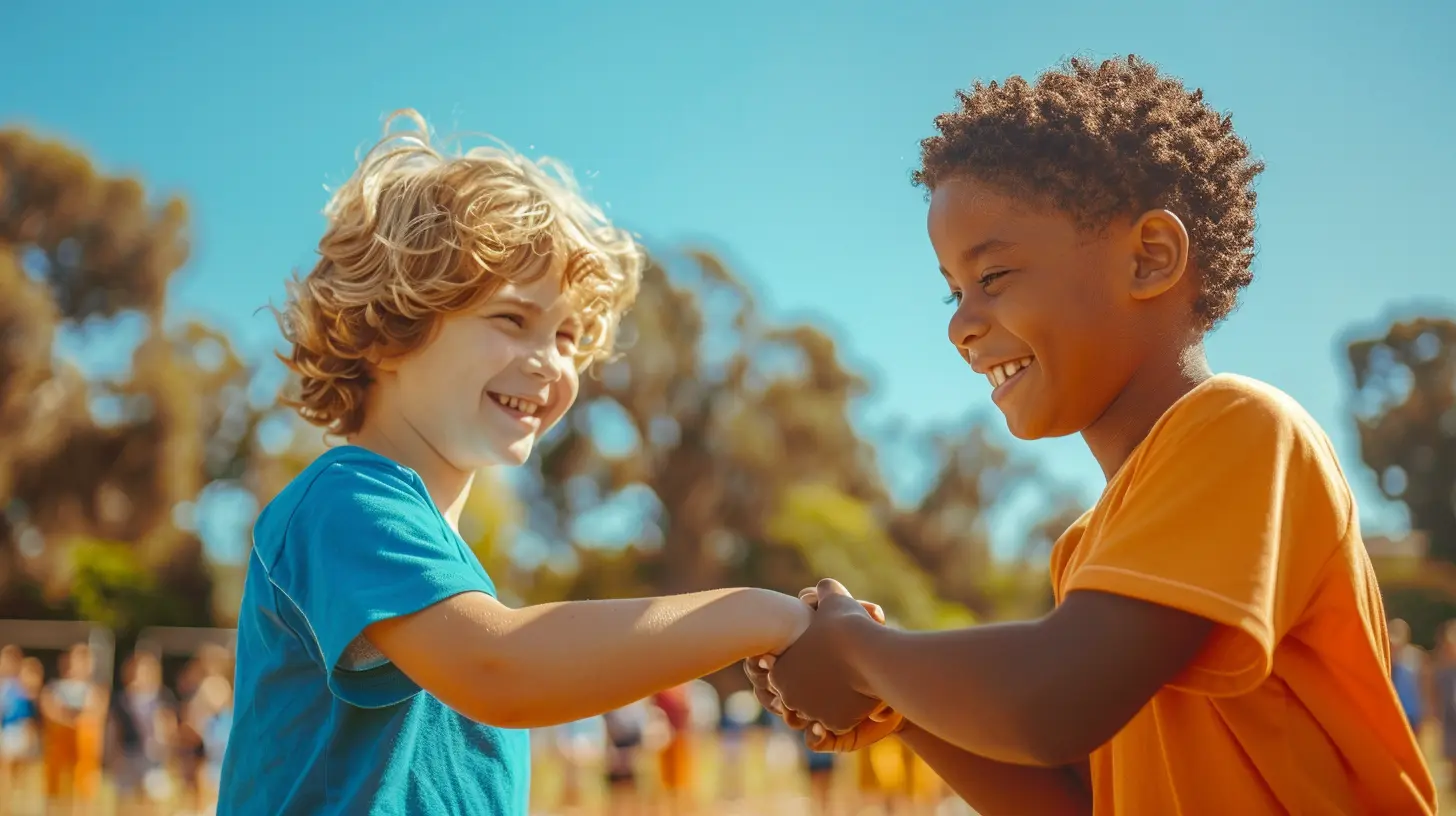
Start With the Why – Kids Need to Understand the Purpose
Here's the deal: if kids don’t know why sportsmanship matters, it’ll never stick. So, before diving into drills or team huddles, talk to them.Ask questions like:
- "How would you feel if someone made fun of you after losing?"
- "Why is it important to play fair even when no one is watching?"
- "What’s more important—winning or being a good teammate?"
By sparking these conversations, you're not just telling them how to act; you're helping them make sense of it emotionally. That’s the secret sauce. Because when a kid feels the lesson, they own it.
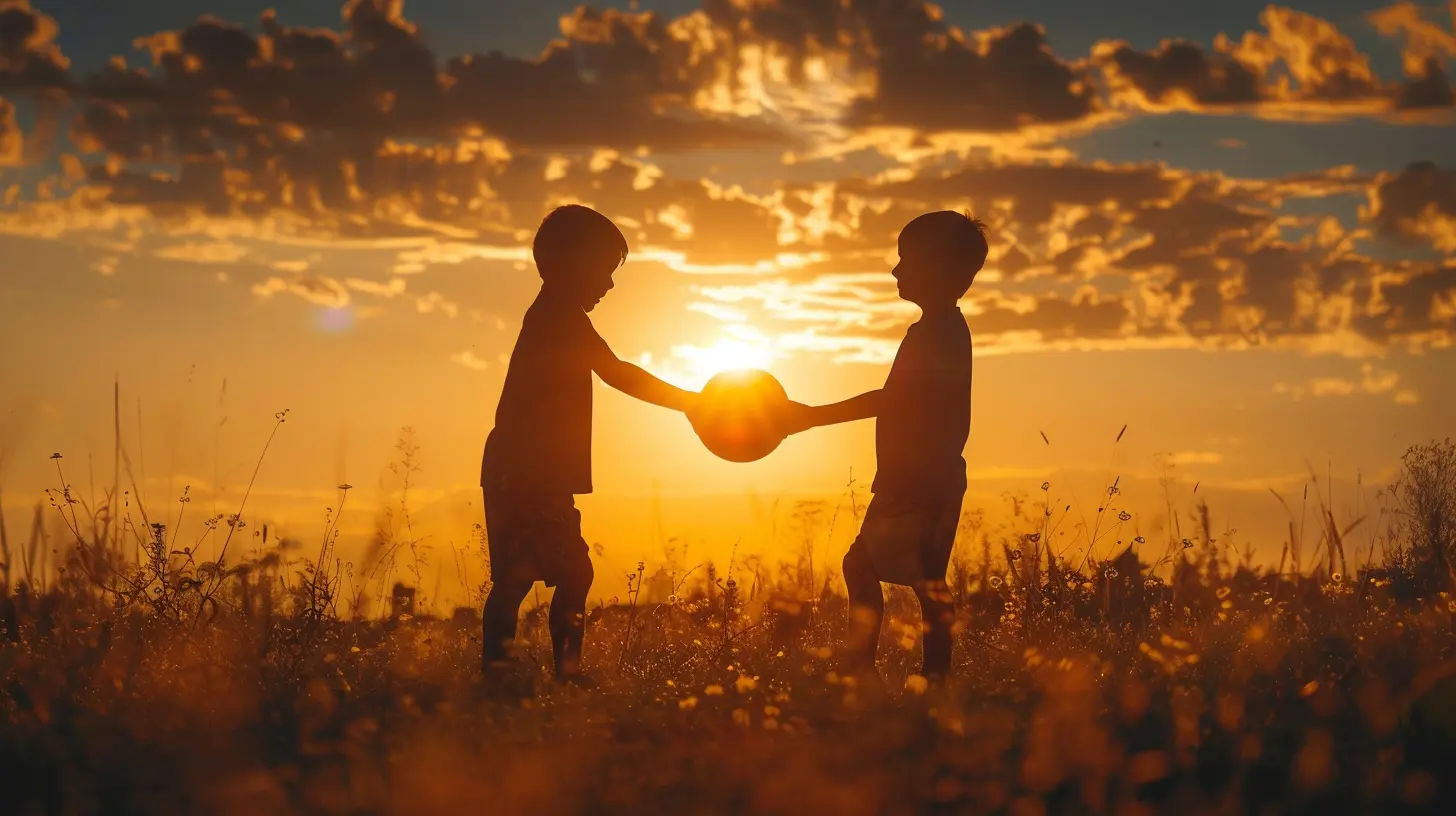
Set the Right Example – They’re Watching You
This one's a biggie. Kids model what they see. If you’re yelling at the ref from the bleachers or trash-talking a rival team, guess what they’ll think is OK?On the flip side, if they see you clapping for both teams, complimenting good plays (even from the other side), and staying calm during tough moments, they’ll take that to heart.
Modeling good sportsmanship isn’t just about game day. It’s in how we talk about victories and defeats at home, how we handle pressure, and how we value effort over outcome.
Turn Mistakes Into Teaching Moments
Nobody’s perfect. Kids will throw tantrums after losing. They’ll gloat after a win. That’s normal. What matters is how we respond.Instead of punishing or scolding them, use those moments to reflect. Sit down and ask:
- "What could you have done differently?"
- "How do you think your actions affected your teammates?"
- "What will you try next time?"
This approach not only corrects behavior but strengthens emotional intelligence. And let’s be honest—sportsmanship and emotional maturity go hand-in-hand.
Make It Fun – Gamify the Good Stuff
Here’s something most parents overlook: you can make sportsmanship fun. Seriously. Try creating mini-challenges or reward systems that celebrate good behavior, not just performance.For example:
- A “good sport of the week” badge for the player who encourages others the most
- Secret missions like “compliment three teammates today”
- Team cheers for players who show exceptional respect or effort
Suddenly, kids are just as pumped about being kind and respectful as they are about scoring goals. That’s a win on every front.
Involve Coaches and Other Parents
Let’s not pretend we can do this solo. If the coach is promoting toxic competitiveness or other parents are cheering on trash talk, your efforts at home can fall flat.So, have the tough conversations. Align with coaches on your values. Be that parent who helps set the culture, not just for your kid, but for the entire team.
And hey, if that means suggesting pre-game affirmations or post-game gratitude circles? Go for it. Culture starts with one voice—and multiplies fast.
Teach Gratitude and Humility From the Start
Gratitude is a powerful antidote to entitlement. Before kids step onto the field, remind them to thank their coaches, referees, and even the volunteers handing out water.After a win, teach them to celebrate with humility. No taunts, no ego. Just joy and appreciation. After a loss? Encourage them to congratulate the other team and reflect on what they learned.
Humility and gratitude are muscles. Build them early, and they’ll be strong forever.
Don’t Overemphasize Winning
Repeat after me: winning isn’t everything. Say it again. Because if all our praise, attention, and rewards go to the kid who scores the most, we’re sending the wrong message.Instead, highlight growth:
- "I saw how you passed the ball even though you could’ve scored—that’s real teamwork."
- "I love how you helped your teammate up after they fell."
- "Losing sucks, but I’m proud of how you stayed respectful."
When we celebrate who our kids are on the field instead of just what they do, we raise players who care about more than the scoreboard.
Create a Sportsmanship Routine
Just like brushing teeth, sportsmanship should be a habit. Try weaving it into your child’s daily or weekly routine.Before games:
- Have a short “respect pledge”
- Remind them to play hard and play fair
After games:
- Reflect on how they treated teammates and opponents
- Encourage them to give a genuine compliment to someone from the other team
These small rituals build a mindset that sticks far beyond game day.
Share Stories That Inspire
Kids love stories. Use them. Share tales about legendary athletes known more for their character than their stats.Tell them about Jackie Robinson, who stayed composed in the face of hatred. Or Serena Williams, who owns both victories and defeats with grace.
When kids have heroes who model sportsmanship, they’re more likely to follow suit. And hey, maybe one day, they’ll be that athlete for someone else.
Let Failure Teach, Not Crush
Losing hurts. No parent likes to see their kid cry after a tough game. But letting them feel that loss—and helping them process it—is gold.Failure builds resilience. And resilience is the quiet cousin of sportsmanship. It’s what helps kids bounce back, lift their heads, and say, “I’ll try again.”
So, don’t rush in with distractions or consolation prizes. Sit with them in the discomfort. Talk it through. And show them that losing is just part of the game—and life.
Make Character the Endgame, Not Just the Game
At the end of the day, not every kid is going to go pro. But every kid will face challenges, work with others, and need emotional strength to thrive.That’s what sportsmanship is all about.
So, the next time you're tying your kid’s cleats or driving them to practice, remember—you're not just prepping them for a game. You're prepping them for life. And teaching them the value of sportsmanship? That’s one life lesson they’ll thank you for later.
Final Thoughts: It Starts With Us
We all want our kids to succeed. But more than that, we want them to be good people. Sportsmanship is one of those values that, when planted early, grows into something powerful.So, let’s raise kids who fist-bump the other team after a loss, cheer on their teammates no matter what, and respect the rules even when no one’s watching.
Because the true champions? They don’t just win games—they win hearts.
all images in this post were generated using AI tools
Category:
SportsmanshipAuthor:

Ruben McCloud
Discussion
rate this article
1 comments
Nellie McClary
Great teamwork builds character and lifelong friendships... inspire them!
June 3, 2026 at 4:32 AM
Ruben McCloud
Absolutely! Teamwork not only fosters skills but also creates bonds that last a lifetime. Let's inspire our kids to embrace both.