The Art of Captaincy: How Leaders Inspire Their Teams
10 December 2025
There’s something downright magnetic about a team captain walking onto the field. You can almost feel it, right? That quiet confidence. The fire in their eyes. The way their presence alone tightens the team like a drum ready to beat down the opposition. That’s no accident. That’s the art of captaincy—where leadership is less about shouting orders and more about inspiring belief.
But how exactly do captains stir greatness in their squads? What transforms a player with a badge into the heartbeat of a team? Well, buckle up—we're diving deep into the psychology, grit, and magic behind unforgettable sports leadership.

What Makes a Great Captain?
Let’s get one thing straight—being a captain isn’t about being the best player on the pitch. It's not about statistics, trophies, or being the loudest in the locker room. It’s about presence, mindset, and the ability to lift those around you even when the game is slipping through your fingers.Captains lead by example. They hustle when they’re tired, speak up when it’s uncomfortable, and take the heat when the team stumbles. Their job? Never let the fire die. And that’s no small feat.

The Captain’s Toolbox: Essential Traits of a Team Leader
So, what does a top-tier captain bring to the table? It’s a potent cocktail of traits that, when mixed just right, can rally a broken team or fuel a winning run.1. Unshakable Composure
Pressure? Captains eat it for breakfast. Think about those final moments in a tied match. When the game is teetering, it’s the captain’s calm that steadies the ship. They don’t panic—they guide, with clarity and poise.2. Leading Through Actions
Talk is cheap. Great captains inspire by doing. Whether it's tracking back after a lost ball, putting in that extra shift, or clapping for teammates after a missed shot—they show the grit they expect from everyone else.3. High Emotional Intelligence (EQ)
You can’t lead people you don’t understand. Captains need to read the room—know who needs a pep talk, who needs a challenge, and who just needs silence. They connect. They empathize. They build bridges, not walls.4. Relentless Work Ethic
You want your squad to go harder? Show them how it’s done. Captains hit training with intensity. They put in the reps. They live the grind.5. Clear Communication
Being vocal matters. But we’re not talking about screaming your lungs out. It’s about clear, timely, meaningful communication—on and off the field.
Leadership On The Field: When The Whistle Blows
Once the match starts, everything changes. That’s when true captains come alive. Strategy meets instinct, and leadership turns into real-time decision making. This is where a captain’s role becomes crystal clear.Reading The Game
A great captain's got eyes everywhere. They sense momentum shifts, spot breakdowns in structure, and know when the team’s heartbeat needs a jolt. Think of them like the conductor of a symphony, making sure everything flows in harmony—even in chaos.Keeping Emotions In Check
One red card. One bad challenge. One poor call from the ref. That’s all it takes to derail a game. Leaders don’t fuel the fire—they contain it. They keep heads cool and minds focused.Stirring Belief In The Trenches
Games get ugly. Moments get heavy. Captains are the ones yelling, “We’ve got this!” when everyone else is doubting. They bring the noise. They ignite the fight.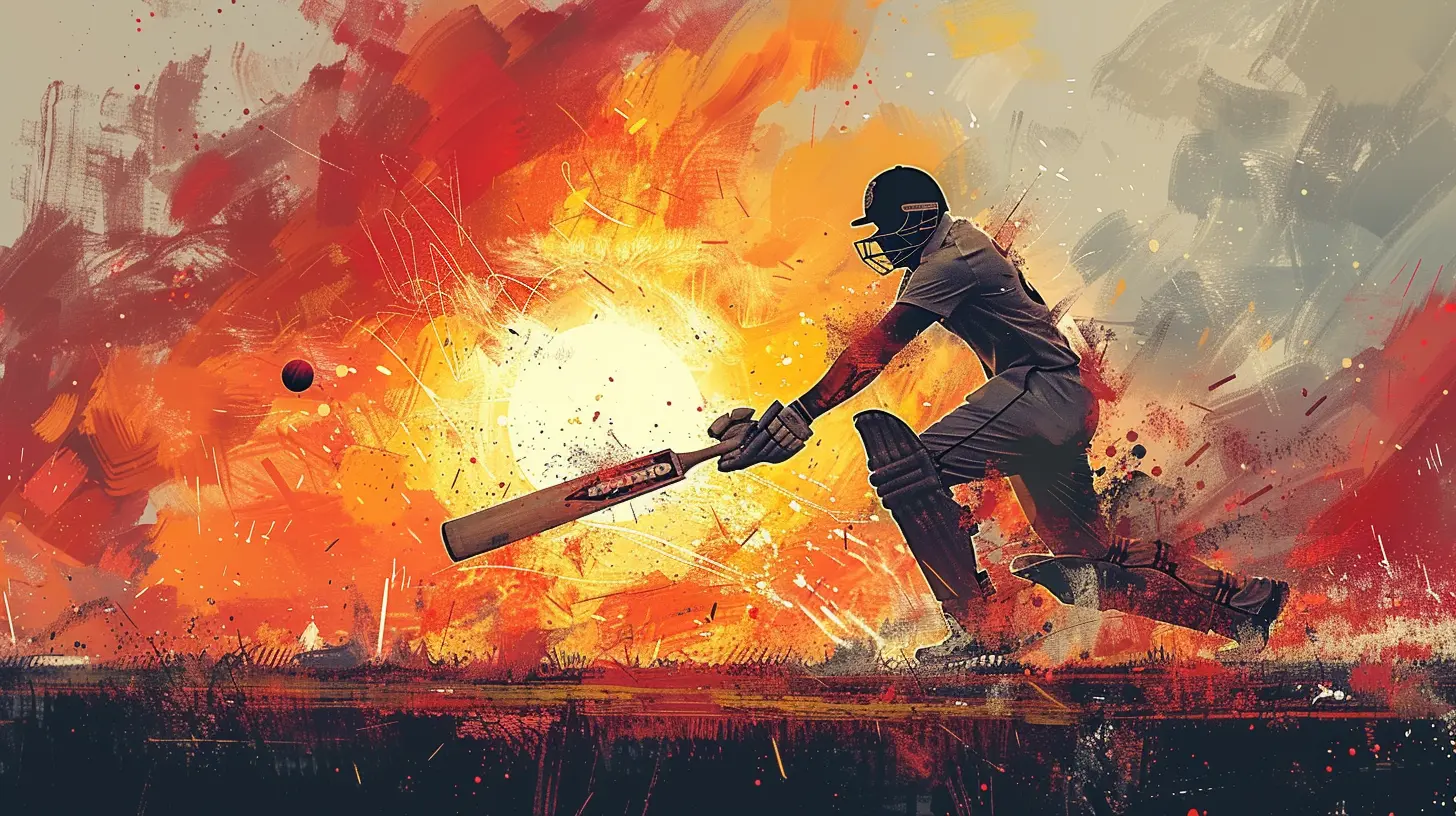
Off The Field: Where Leaders Build Culture
Think captaincy is just a matchday thing? Nope. It’s a full-time gig. What a captain does off the field may be even more important than what happens during the game. That’s where culture is built.Building Trust
Trust isn’t given—it’s earned. Captains do the little things. They listen. They show up. They support teammates through slumps, injuries, and off-field struggles. And that creates a bond stronger than tactics.Fostering Accountability
Captains set a tone of ownership. They’re the first to admit a mistake and the first to expect responsibility from others. No blame. No excuses. Just standards.Being the Coach’s Bridge
A captain isn't just the players' voice—they’re also the coach's compass. They pass down the vision, enforce expectations, and provide feedback in both directions. Communication is their currency.Iconic Sports Captains Who Redefined Leadership
Let’s be real—it’s one thing to talk about great leadership. It’s another to live it. Want proof? Just look at the legends who wore the armband and elevated their teams to greatness.Roy Keane – Manchester United
Keane was fire personified. He led by dominating the midfield and demanding nothing but excellence. He’d bark, challenge, and sometimes even clash—but his teams followed with unmatched intensity.Richie McCaw – All Blacks Rugby
McCaw was calm, calculated, and tough as hell. Under his captaincy, the All Blacks became a ruthless machine—respected as much for their skill as their discipline.Serena Williams – Team USA (Tennis Doubles/Fed Cup)
Though tennis is often individual, when Serena led Team USA, she brought fire and belief to her teammates. Her presence alone lifted the entire crew. Her message was simple: We win together.Tom Brady – New England Patriots
Brady wasn’t the fastest or strongest. But his leadership? Surgical. Vocal when needed, stoic under pressure, obsessed with preparation. Players didn’t just follow him—they believed because he believed in them.
Challenges Every Captain Faces (And How Great Ones Overcome)
Leadership isn’t sunshine and trophies. It’s navigating the muck—the locker room drama, the slumps, the media noise, the pressure of expectations. But elite captains? They face the fire head-on.The Weight of Responsibility
When the team wins, it’s about the group. When they lose? The captain often feels the blame. That’s the gig. It’s not fair, but it’s part of the commitment.Managing Diverse Personalities
Teams aren’t filled with clones. You’ve got hotheads, introverts, jokers, and grinders. Captains must unite those puzzle pieces into a masterpiece. It’s part psychologist, part motivator, part tactician.Battling Burnout
Leading is draining. The mental load, the constant spotlight—it’s heavy. Great captains know when to recharge, when to delegate, and when to lean on others.How Coaches Can Empower Their Captains
Here’s a truth bomb: captains can’t do it alone. Coaches play a massive role in shaping, supporting, and trusting their leaders.Give Them Real Responsibility
Don’t just hand out an armband. Give captains a seat at the table. Let them lead meetings, drive culture, and make tactical calls when it matters.Back Them Publicly
Even when they make a mistake, back your captain in public. That vote of confidence builds credibility and fosters unity.Encourage Growth
Provide mentorship. Help captains develop their voice, understand team dynamics, and improve conflict resolution. They’re still learning, too.
Captains vs. Leaders: Not Always the Same Thing
Let’s bust a myth. Just because someone wears the “C” doesn’t mean they’re the only leader. Leadership is a shared responsibility.Some leaders lead vocally. Others lead through effort. Captains are the glue that pulls it all together, but the truly elite teams empower multiple voices.
How to Choose the Right Captain
If you're coaching or managing a team, picking the right captain is huge. Forget seniority or stats. Ask yourself:- Who do players naturally listen to?
- Who shows up on bad days?
- Who plays for the badge, not just themselves?
- Who raises the team’s energy when things get rough?
Choose the player everyone watches when it matters most.
Final Whistle: Leadership Is a Lifestyle
The art of captaincy goes beyond tactics, talent, or tenure. It’s a relentless pursuit of excellence—with a heart that beats for the team and a mind that never backs down. It’s inspiring belief when hope wavers, leading with courage when doubt creeps in, and standing tall—even when the scoreboard doesn't.So whether you’re a player aspiring to lead, a coach molding your next captain, or just a sports nut who loves the chess game behind the chaos—remember this:
Captains don’t just play the game. They shape its soul.
all images in this post were generated using AI tools
Category:
CricketAuthor:

Ruben McCloud
Discussion
rate this article
2 comments
Wade McLemore
Leadership isn't just about wearing the armband; it's about commanding respect, igniting passion, and calling out mediocrity. Captains, step up or step aside!
January 31, 2026 at 5:37 AM
Ruben McCloud
Absolutely! True leadership goes beyond titles; it involves inspiring and elevating those around you. Let's stimulate excellence together!
Kaleb McKellar
Great leaders don’t just lead; they ignite passion, foster unity, and elevate their teams to greatness. The art of captaincy lies in the ability to inspire, turning challenges into triumphs. True captains transform ordinary moments into extraordinary victories, proving that leadership is about heart and vision.
December 13, 2025 at 11:36 AM
Ruben McCloud
I appreciate your thoughts! Inspiring passion and unity truly does elevate teams. It's amazing how great leaders turn challenges into opportunities for growth.