The Code of Ethics: Sportsmanship Across Different Cultures
18 February 2026
Ever watched a game where one team loses yet walks off with smiles and handshakes? Or maybe you've seen a match where tempers flare, and the idea of "playing fair" goes out the window? Here's something that might surprise you — sportsmanship isn’t a one-size-fits-all concept. In fact, across the globe, how athletes behave on and off the field is shaped by deeply-rooted cultural codes. Ready to unravel the global mystery of sportsmanship and ethics in sports? Let’s dive right into it.
What's the Deal with Sportsmanship?
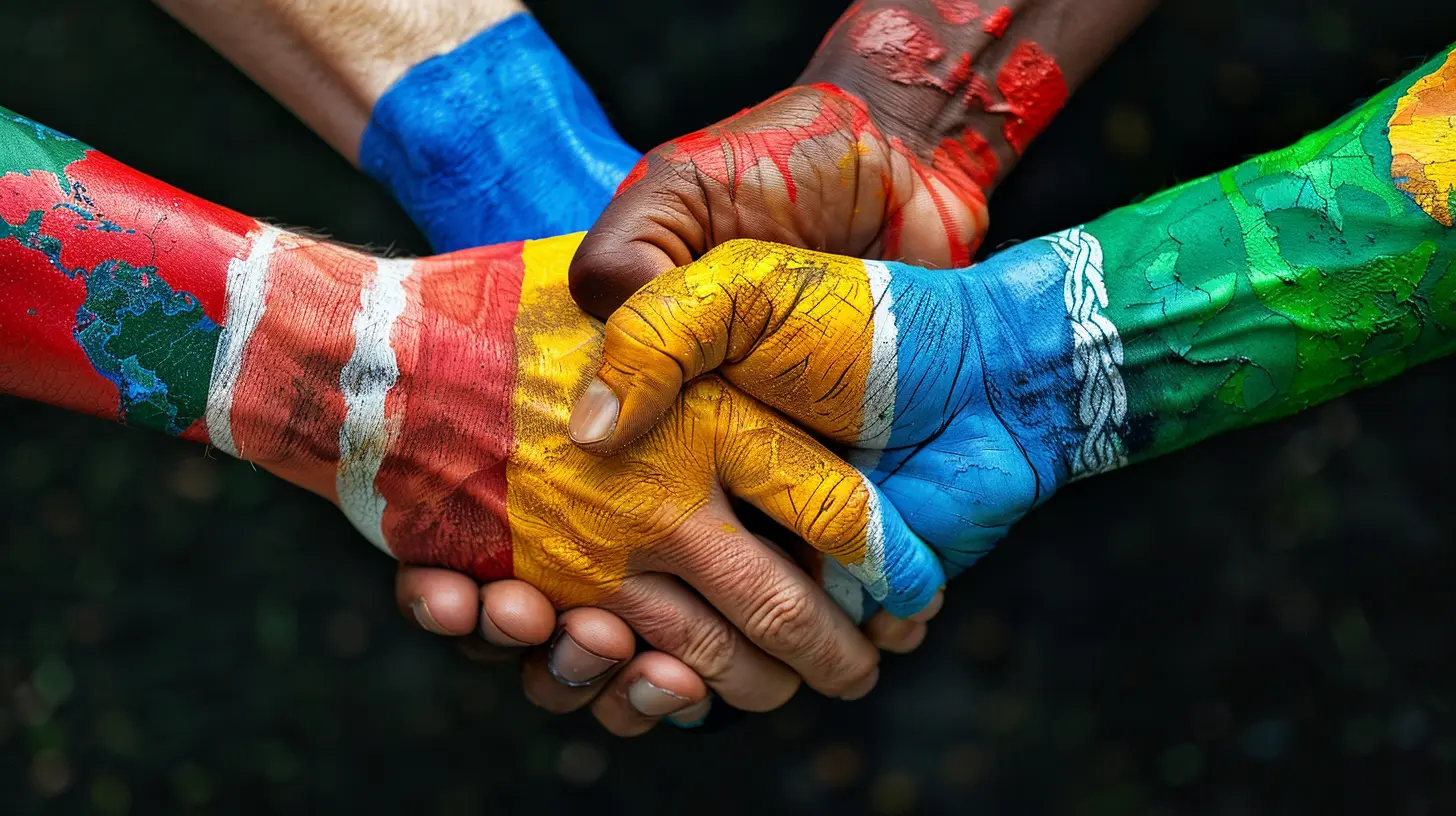
Sportsmanship sounds like a simple word, right? But it's packed with more layers than a seven-layer burrito.At its core, sportsmanship includes fairness, respect, integrity, and graciousness in winning or losing. But those values don’t always look the same in Tokyo as they do in Rio, Nairobi, or Boston. In some cultures, winning is everything. In others, honor might mean more than hoisting a trophy. So really, what does it mean to “play fair” when the definition of fair might change depending on your GPS location?
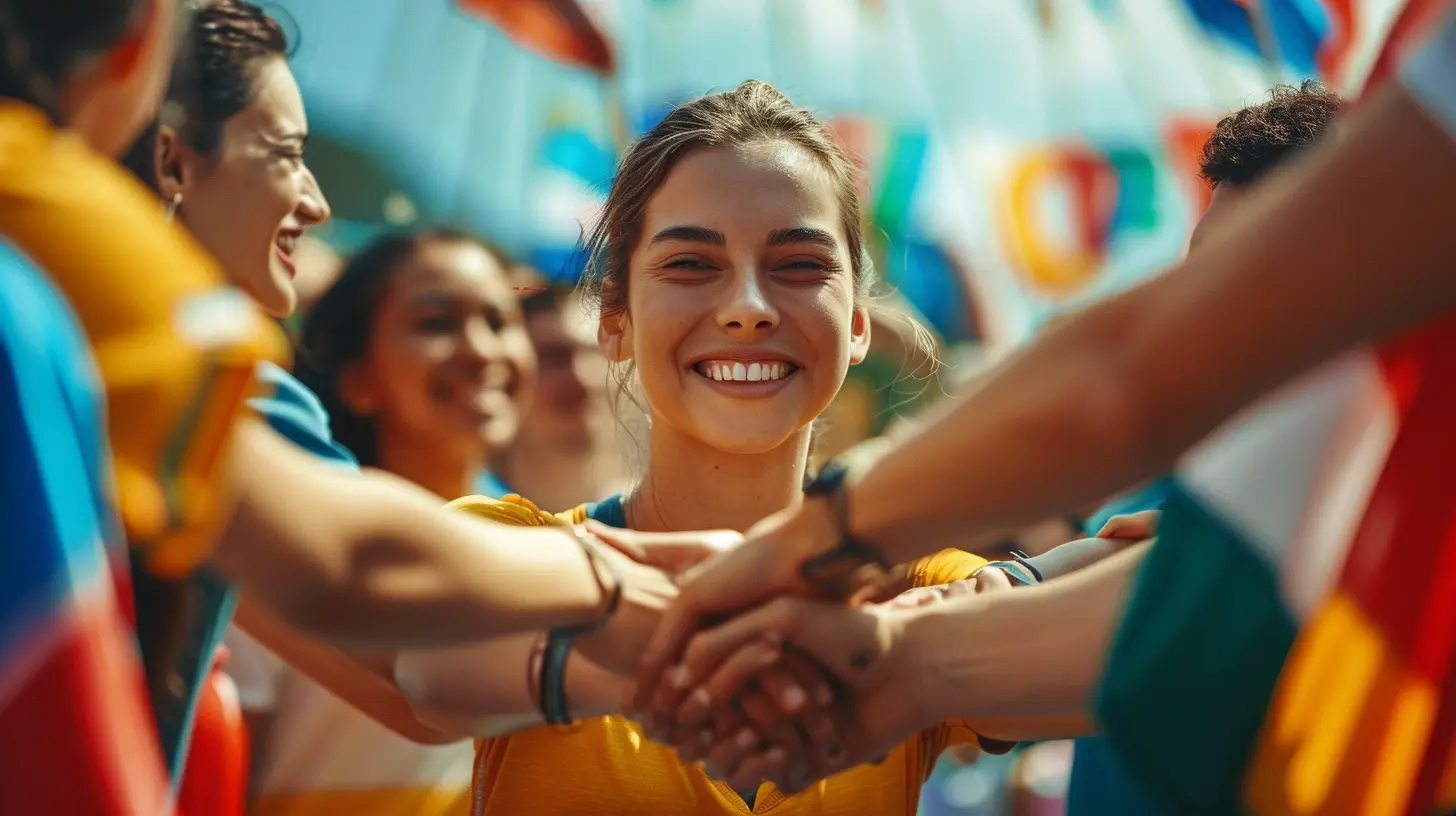
Where Ethics Meets the Playing Field
Alright, let’s tune in to the bigger picture — the code of ethics in sports. Think of it as the invisible referee. It may not wear stripes or blow a whistle, but it's always keeping score.Ethics in sports is more than just avoiding steroids or not cheating. It’s about the unwritten rules — how you treat your opponent, how you behave under pressure, and even how you react to a bad call from a referee. And just like languages or food, every country has its own flavor of these unwritten rules.
The Core Pillars of Sportsmanship
Across cultures, despite differences, some core ideals almost always make the cut:- Respect for opponents – Don't trash talk, don’t gloat, don’t play dirty.
- Integrity – Be honest, even if it means admitting a foul.
- Team spirit – Support teammates, even when they mess up.
- Graciousness – Win with humility, lose with dignity.
Yet, how these principles are expressed varies wildly. Let's take a world tour of sportsmanship, shall we?
Japan: The Art of Quiet Discipline
In Japan, sportsmanship is practically a sacred ritual. Rooted heavily in the philosophies of Bushido (the way of the warrior), athletes are often taught to prioritize respect, honor, and humility over everything.Take sumo wrestling — before a match, opponents bow to each other, not as a formality, but as a deep sign of respect. Even in high-pressure games like baseball, Japanese players are known for bowing after games, regardless of the outcome.
What’s even more fascinating? Apologies are common after victories. In Japan, crushing your opponent isn't something to celebrate arrogantly. Imagine scoring the winning goal and then saying sorry for beating the other team. It flips the Western idea of victory on its head, doesn't it?
United States: The Hustle and the Heart
Jump over to the U.S., and you'll find a slightly different vibe. Sportsmanship still matters, but the culture is intensely competitive. “Winning isn’t everything; it’s the only thing,” is more than just a quote — it’s practically a mantra in youth leagues to the NFL.Athletes are celebrated for their passion, intensity, and sometimes even their trash talk — as long as it doesn’t cross into disrespect. Think of legends like Michael Jordan or Serena Williams — fierce competitors who sometimes toe the line but are admired for raw authenticity.
That said, American sportsheroes are also expected to give back, mentor young players, and support causes off the field. These acts round out the ethical expectations, making sportsmanship not just about what happens in the game, but also outside it.
Brazil: Joy, Flair, and the Beautiful Game
In Brazil, football (or soccer) is more than a hobby — it’s a lifestyle. Sportsmanship here is less about rigid rules and more about playing with joy and heart.Brazilian athletes often display ginga (a flowing, creative style) that turns the game into an art. But here’s where things get interesting: embellishment and dramatic falls — you know, those theatrical dives — are part of the show, even if they raise eyebrows elsewhere.
To an outsider, this might scream “unsportsmanlike.” But culturally, it’s seen as part of the strategy, part of the performance. As long as it's done with flair, it's fair game.
What’s more, it’s common to see players exchanging jerseys, hugging opponents, or praying together post-match. Despite the heat of the game, there's a deep layer of mutual respect woven into Brazilian sportsmanship.
Kenya & Ethiopia: Grace in Simplicity
Long-distance running is king in nations like Kenya and Ethiopia. But beyond medals, what truly stands out is the humility and grace these athletes consistently show.Remember when Kenyan runner Abel Mutai mistakenly stopped short of the finish line, and Spanish runner Ivan Fernandez Anaya helped him across instead of taking advantage? Talk about textbook sportsmanship.
In East African cultures, athleticism often stems from harsh training environments and deep-rooted community values. Runners train together, eat together, and sometimes even share winnings back home. The win is personal, but the journey is communal.
Australia: Rugged but Fair
Australia’s sports culture is a mix of hard-nosed competition and a deep-rooted code of fair play — often dubbed "the Aussie spirit."Cricket, rugby, and Aussie Rules football are not just games here; they’re part of national identity. Players are expected to “give it a go” (play hard), but whining, showboating, or unsportsmanlike behavior? Total no-go.
Interestingly, there’s even a concept known as “sledging” in cricket — a form of verbal banter among players. While it may sound rude, it’s often seen as part of the mental game. The key? Keep it clever, not cruel.
Middle East: Honor Above All
In many Middle Eastern countries, sportsmanship is deeply tied to pride and honor — both personal and familial. Losing graciously and winning respectfully are non-negotiables.Take wrestling in Iran or camel racing in the UAE. These sports carry historic and cultural significance. Athletes often approach them with a spiritual mindset, seeing their role not just as competitors, but as cultural ambassadors.
Even on the soccer field, gestures like hugging opponents or praying after a game speak volumes about humility and interconnected values.
Indigenous Cultures: Spirit Over Score
Let’s not forget the original stewards of sportsmanship — Indigenous cultures.Native American lacrosse wasn’t originally about winning; it was played to settle disputes, heal the sick, or prepare warriors. In Māori culture in New Zealand, the Haka dance before rugby games isn't trash talk — it’s a deep expression of unity, tradition, and respect.
In these cultures, sports aren't just physical games. They’re ceremonies. Rituals. Moments of spiritual alignment. And sportsmanship? It's often less about rules and more about honoring the event and the people involved.
The Thin Line Between Cultural Pride and Ethical Gray Area
There’s something we need to talk about — when cultural norms clash with standardized rules of ethics. For example, when a Brazilian player fakes an injury and a European referee calls it out, who's wrong? Or when American athletes celebrate with chest-thumping bravado and Japanese viewers find it disrespectful — who’s really violating sportsmanship?These blurry lines spark debates. Should there be a global standard for sportsmanship? Or should we let cultural identities shape these codes?
Let’s face it — there’s no easy answer. But acknowledging these differences might be the first step toward global understanding. And maybe, just maybe, we stop judging others' sports ethics by our own playbooks.
The Role of Coaches and Role Models
No matter where you are in the world, one thing’s certain — sportsmanship starts with leadership.Coaches, parents, captains — they shape the ethics of young athletes. A coach who promotes “win at all costs” versus one who praises effort and fairness creates two very different players. Same sport, different soul.
And let’s not ignore the power of icons. When Messi offers a handshake to an opponent or Simone Biles opens up about mental health and takes a step back — these moments teach us that dignity, not just dominance, defines greatness.
Future of Sportsmanship: Can Tech Help?
With VAR (Video Assistant Referees), AI-driven performance tracking, and real-time replays, technology is becoming the new referee. But can it also enforce sportsmanship?Well, maybe. Imagine if players got credit (and fans’ cheers) for acts of honesty or respect, not just goals scored. Imagine leaderboards for fair play, not just fouls. Technology could be the bridge between different ethical standards — a kind of universal umpire.
Cool, right?
Bringing It All Back Home
So, what have we learned on this cultural deep-dive?Sportsmanship is a universal code written in a thousand different ways. From Tokyo to Toronto, Nairobi to Naples, athletes everywhere are shaped by unique beliefs about fairness, honor, humility, and respect.
And whether you're a weekend warrior, a high school coach, or just someone who loves the game — understanding these differences might be the most important play you ever make.
Because in the end, no matter the sport or country, one thing remains true: character is what you show when the scoreboard fades.
all images in this post were generated using AI tools
Category:
SportsmanshipAuthor:

Ruben McCloud
Discussion
rate this article
2 comments
Jemima Wright
This article beautifully highlights the importance of sportsmanship in various cultures. It's a reminder that, despite our differences, the spirit of fair play and respect unites us all. Great read!
March 27, 2026 at 4:53 AM
Ruben McCloud
Thank you for your kind words! I'm glad you found the article meaningful and that it resonated with the universal values of sportsmanship.
Yasmeen Ross
Great insights on sportsmanship! Culture truly shapes athletes’ values and ethics.
February 19, 2026 at 11:23 AM
Ruben McCloud
Thank you! I'm glad you found the insights valuable. Culture indeed plays a crucial role in shaping sportsmanship values.