The Evolution of Virtual Sports Graphics and Realism
25 July 2026
Imagine watching a video game and questioning whether you’re seeing real-life footage or a digital masterpiece. That’s not science fiction anymore — virtual sports graphics and realism have come a long way, and it’s absolutely jaw-dropping. From pixelated avatars to life-like athletes who sweat, blink, and react just like their human counterparts, this evolution is nothing short of revolutionary.
So, how did we get here? What sparked this meteoric rise from arcade simplicity to photorealistic precision? Settle in, because we're diving headfirst into the electrifying world of virtual sports graphics and how realism is reshaping the game — literally.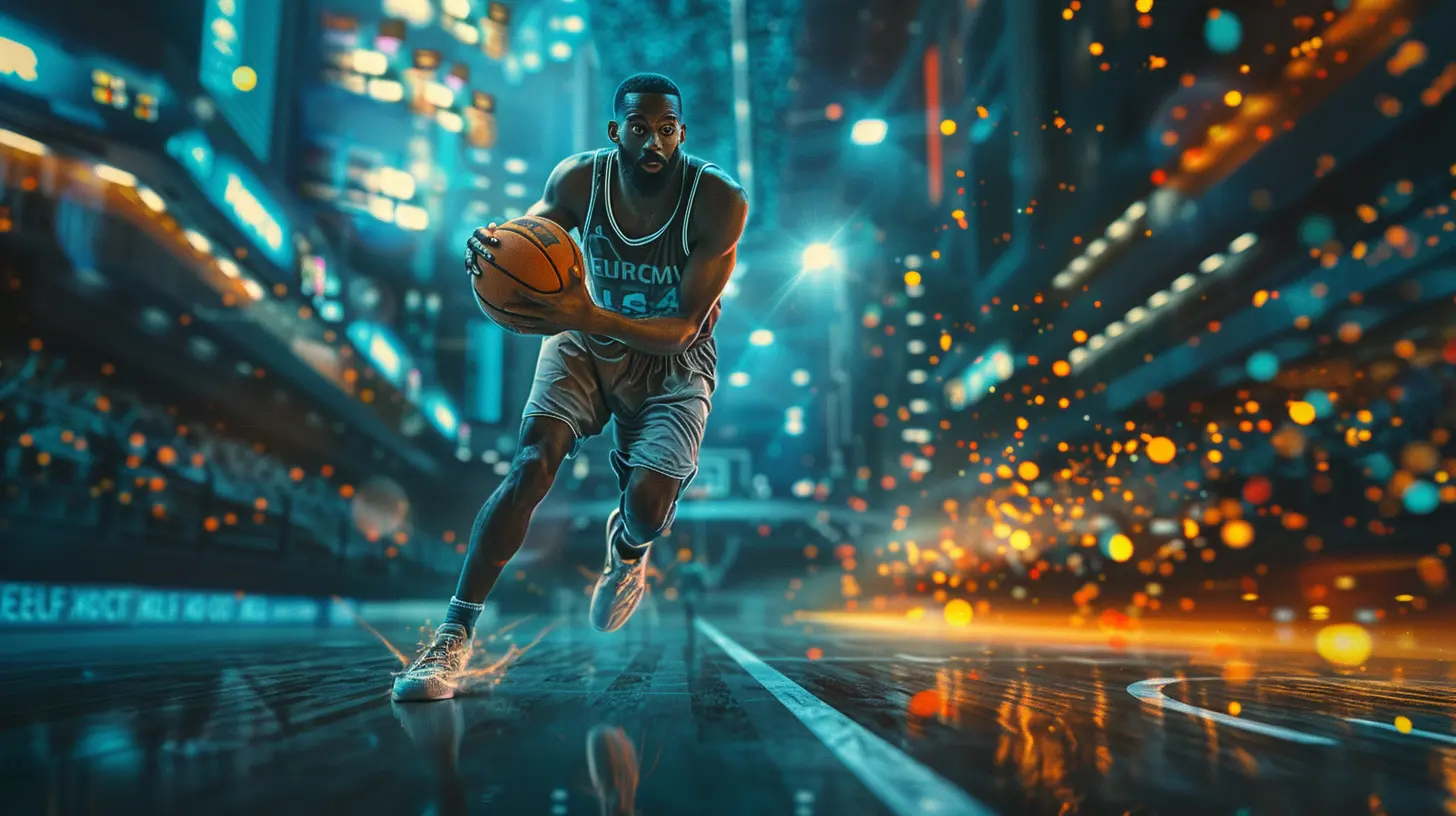
? From Blocks to Brilliance: A Quick Throwback
Let’s rewind the clock.Remember those boxy athletes from FIFA 94 or Tecmo Bowl? They looked more like LEGO characters than professional players. Yet, at the time, we were thrilled. We didn’t care about the jagged limbs or robotic movements — we had never seen anything like it!
Fast forward three decades, and sports games now boast stunningly detailed players with reflexes that mimic real humans. The shift is staggering and has been fueled by several game-changing innovations.
? The Role of Game Engines: Enter the Powerhouses
You can't talk about realism without tipping your hat to game engines like Unreal Engine and Unity. These platforms are like the brain behind the beauty, the wizard behind the curtain.They allow developers to render lifelike lighting, sweat droplets, muscle physics, and even crowd reactions. Seriously, we're talking goosebumps-level realism here. The fusion of high-res textures, ray tracing, and AI-driven animations has made it tough to tell where reality ends and simulation begins.
?️ Motion Capture: Breathing Life Into Digital Athletes
Want to know what kicked realism into high gear? Motion capture technology, baby!Mo-cap suits track every movement of real athletes — from the way they tap the ball with the side of their foot to how they brush sweat off their brow. Combine that with facial capture, and suddenly, you're not just controlling a player. You're engaging with someone who seems real.
Games like NBA 2K, FIFA, and Madden NFL are killing it in this area. Players’ faces wrinkle with frustration, burst into laughter, and celebrate in a way that feels all too real.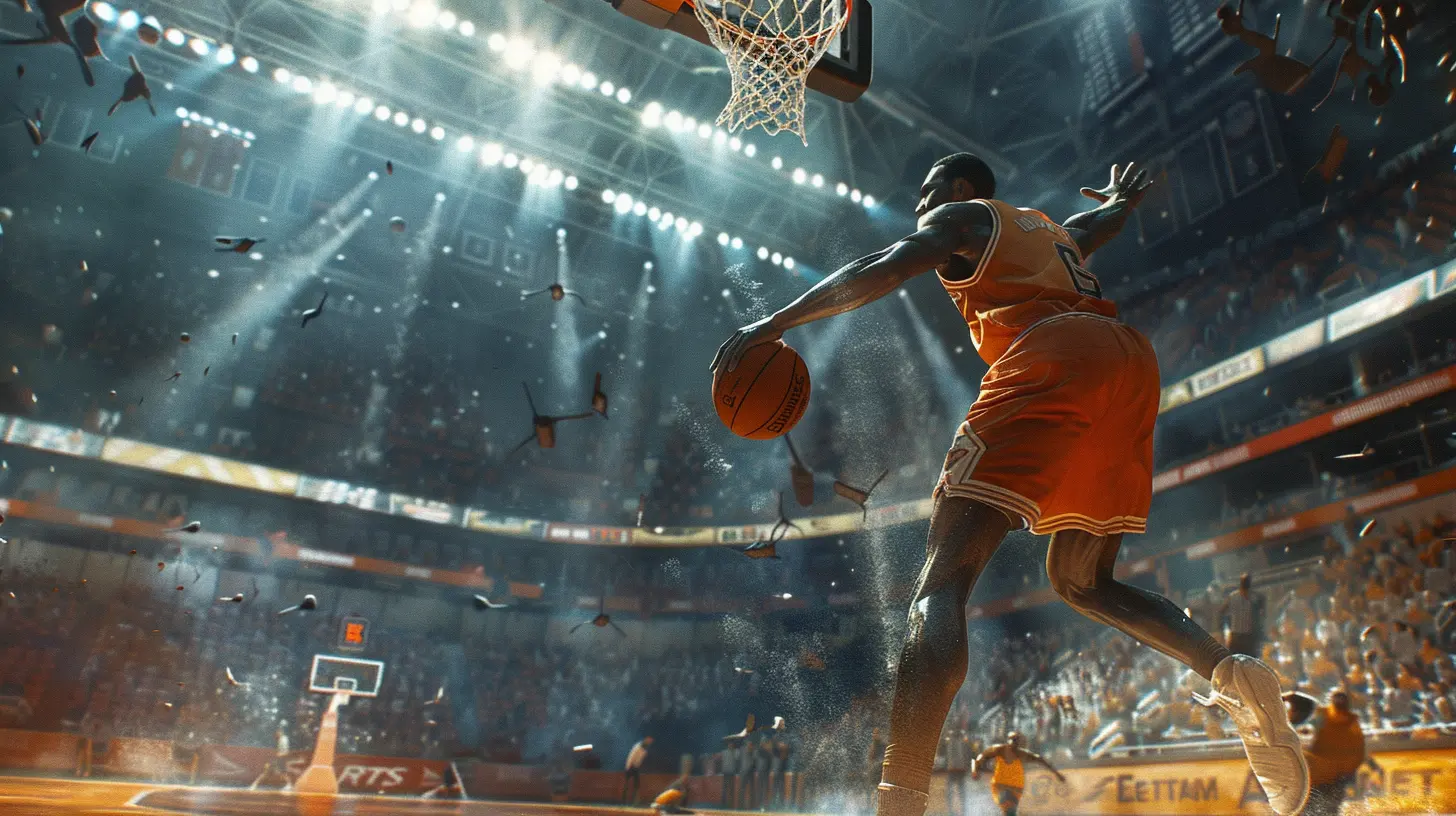
⚙️ Artificial Intelligence: The Brain Behind the Beauty
Graphics are just one piece of the puzzle. Let’s not forget AI — the silent genius that’s making sports games smarter than ever before.Back in the day, defenders in soccer games ran like headless chickens. Now? They adjust their strategy on the fly, anticipate passes, and play like seasoned pros. AI adds a layer of strategic realism that transforms virtual matches into chess games on steroids.
Even crowd behavior is AI-driven now. Fans will react differently based on player performance, time left on the clock, or whether you're playing a home or away game. It’s subtle, but it matters.
?? Hyperrealistic Player Models and Faces
Let’s be honest — nobody wants to play a game where Cristiano Ronaldo looks like your neighbor Bob.Thanks to 3D facial scanning and photogrammetry, players now appear hyperrealistic. You can see veins, muscle definition, tattoos, and even signs of fatigue. It's like watching HD sports broadcasts but on your console.
Developers now use laser scanning to capture every detail of players’ physiques. Combine that with realistic skin shading and lighting, and boom — you’ve got game characters that look better than some CGI movie villains.
? Environmental Realism: Stadiums, Weather, and Crowd Vibes
Ever noticed how a stadium shadows shift as the match progresses? Or how rain affects ball control mid-game? That’s environmental realism in action.Games are now simulating the entire sports atmosphere. You not only see the players; you feel the mood of the game. From realistic turf reactions to drenched jerseys in a thunderstorm, environmental graphics are adding soul to sports simulations.
And crowds? Forget the cardboard clones of old. Now you’ve got thousands of unique, animated fans screaming, chanting, and reacting like they’re in the bleachers of a live event.
? The Rise of Personalized Realism
Here’s where it gets crazy — games can now reflect your own sports personality.Think about customizing players based on your real-life training stats or importing your own movements using smart devices. You’re not just watching realism; you’re becoming part of it.
Virtual reality (VR) and augmented reality (AR) are also stepping up. Imagine wearing a VR headset and literally being on the field, hearing your coach yell instructions, and watching the stadium erupt as you score a goal.
Sounds like science fiction? It’s already here.
? E-Sports and Broadcasting: Blurring Lines Between Real and Virtual
Let’s switch gears for a second.E-sports has boomed — like really boomed. And the graphics have followed suit. The level of realism in games like FIFA and NBA 2K is now good enough to be televised... and they are! In fact, some e-sports broadcasts are so well-rendered, casual viewers can’t even tell they’re not watching an actual game.
And it’s not just about the visuals. Virtual sports events use broadcast overlays, slow-motion replays, dynamic camera angles, and real-time stats — just like live sports. It's entertainment on steroids.
? Behind the Magic: The Technology Fueling Realism
Alright, time for a little geek-out moment.Let's peek under the hood and see what’s actually powering all this magic:
- Ray Tracing: This simulates how light interacts with objects, adding stunning realism to shadows and reflections.
- Machine Learning: AI models "learn" from real-life player behavior to mimic how humans move and make decisions.
- Procedural Generation: Randomized but natural elements like crowd behavior, grass wear, and weather unpredictability.
- Photogrammetry: Photographing real-world elements (stadiums, faces, gear) to map into games with deadly accuracy.
- 4K and HDR Graphics: Ultra-high resolution makes every detail, from stitching in jerseys to facial pores, stand out.
It’s like watching a live-action movie, but it’s interactive, and you’re the director.
? Peering into the Future: What’s Next?
Okay, let’s talk future. If the current state of virtual sports graphics is impressive, what’s next is downright mind-blowing.We’re on the brink of full VR integration, where you might not just play a match — you live it. Haptic suits are being tested that let you feel contact, tension, and even temperature changes.
Cloud gaming is removing hardware limitations. That means even your mobile device could soon render graphics that rival today’s high-end consoles.
We could also see real-time athlete stats from wearable tech directly influencing virtual player ratings. Imagine your favorite player having a down day and their in-game self reflects that. Wild, right?
? Why It Matters: More Than Just Pretty Pixels
Let’s face it — stunning graphics are cool. But what’s cooler is how this realism is transforming how we connect with sports.Younger generations may grow up watching virtual tournaments the way we watched the NBA Finals or the Super Bowl. The line between real and virtual sports is thinning, and the implications are huge — for entertainment, training, and even fan engagement.
It’s about immersion, connection, and possibility. In a world where time is short and entertainment is endless, realistic virtual graphics make sports more accessible, inclusive, and engaging than ever before.
? Final Whistle: We’ve Only Just Begun
From pixelated pioneers to photorealistic powerhouses, the evolution of virtual sports graphics and realism is one epic story — and it's far from over.As technology keeps advancing, expect games to become even more indistinguishable from reality. Whether you're a die-hard fan, an aspiring gamer, or just someone who loves jaw-dropping visuals, this revolution is something to watch — and play.
So, next time you boot up your console and see the beads of sweat trickling down a player's face or hear the roar of a dynamic crowd, remember: You’re not just playing a game — you’re witnessing the future of sports.
all images in this post were generated using AI tools
Category:
Virtual SportsAuthor:

Ruben McCloud
Discussion
rate this article
1 comments
Ava Sanders
Virtual sports graphics have transformed gameplay, enhancing realism and player engagement significantly.
July 27, 2026 at 2:50 AM
Ruben McCloud
Absolutely, the advancements in graphics have really brought virtual sports to life, making the experience much more immersive for players.