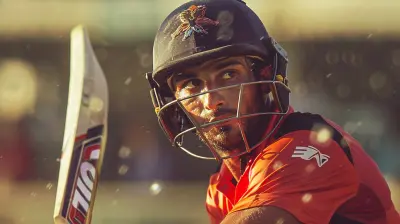
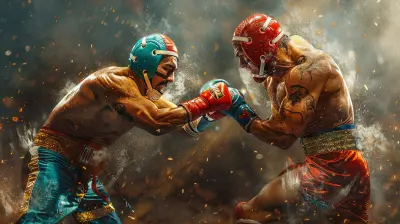
The Importance of Recognizing Opponents as Equals
26 June 2026
In the world of sports, competition is often painted as a battleground. The mindset? Train harder, go faster, hit stronger—win at all costs. But there’s another side to this story that’s rarely talked about. A side that is deeply human, often overlooked, and absolutely essential to the spirit of sports.
It’s the idea of recognizing your opponents as equals.
Sounds simple, right? But in reality, it’s a powerful shift in perspective that can change not only the way we play, but the way we live. So, let’s talk about why this mindset matters more than most people realize.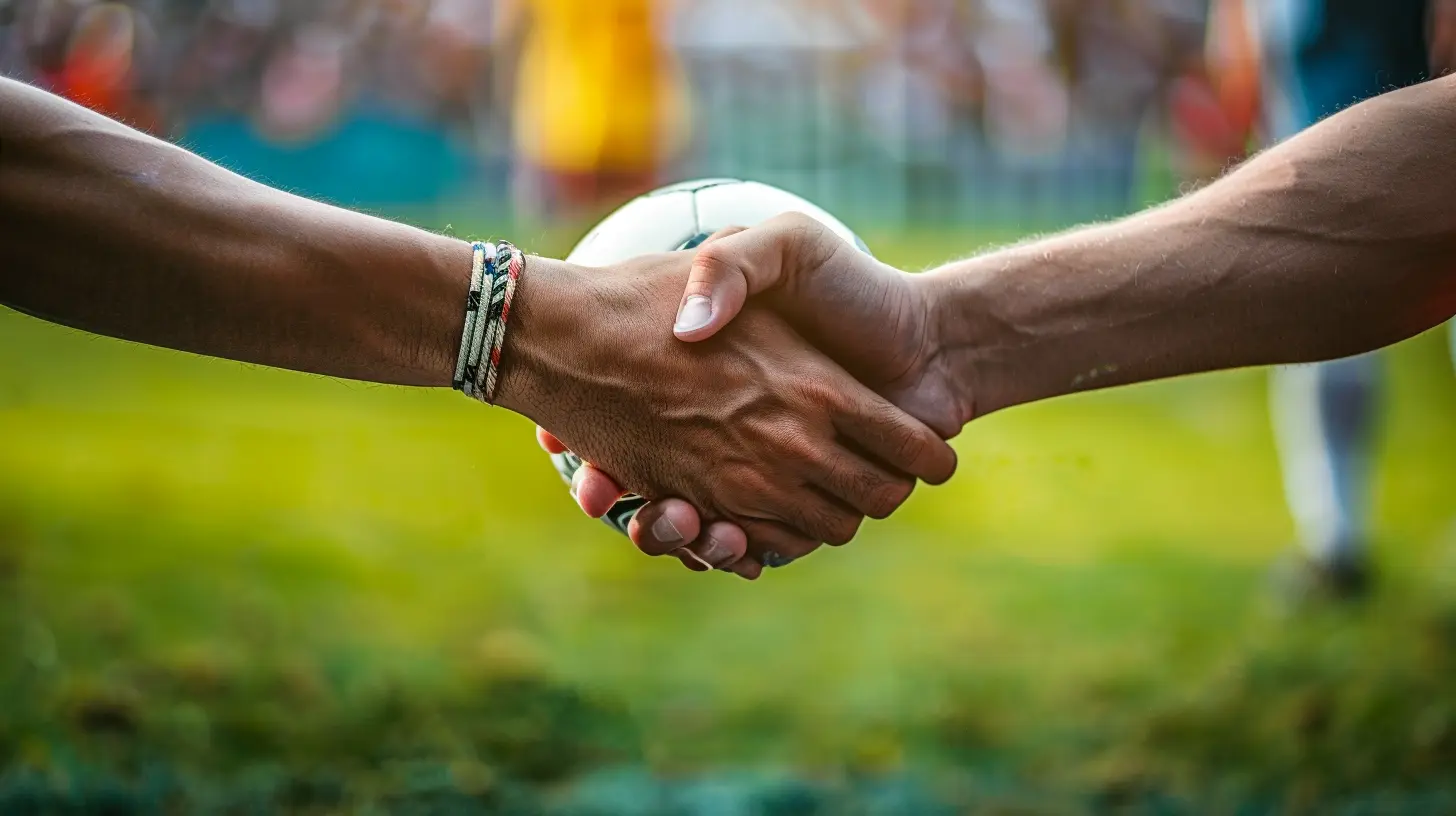
What Does It Mean to See Opponents as Equals?
First off, let’s clear the air. Recognizing an opponent as your equal doesn’t mean you admire every move they make or wish them more success than yourself. It means you understand they’re just like you—a human being with dreams, fears, goals, and grit.They’ve trained hard. They’ve made sacrifices. And they show up—just like you do.
When you look at your opponent and say, “You’re my equal,” you're saying, “I respect your hustle.” That acknowledgment? It’s a game-changer.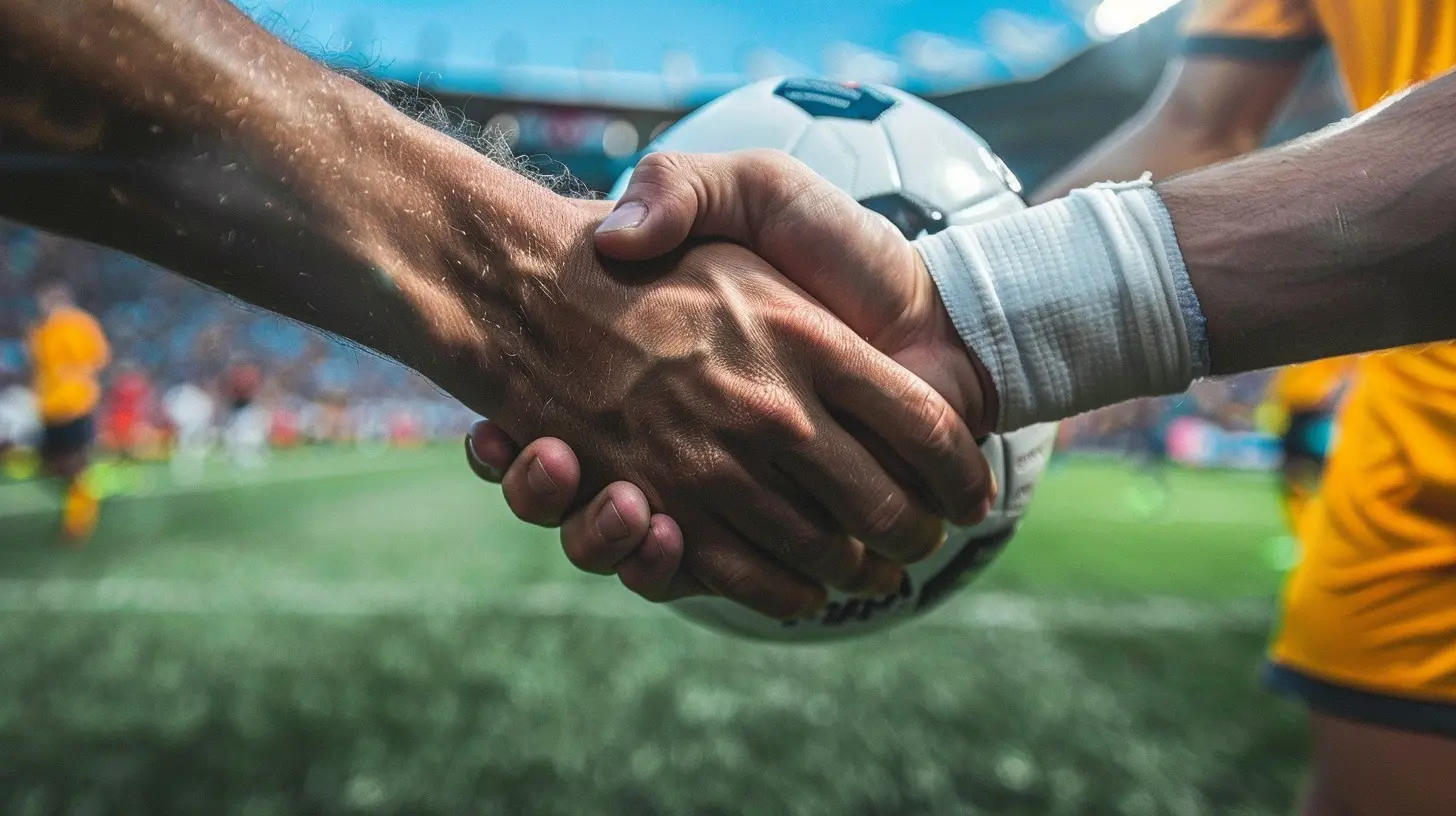
Respect Fuels Real Competition
Imagine a race where two runners size each other up before the start. One sneers, thinking they’re better. The other nods in respect, acknowledging the challenge ahead.Who do you think gets more out of the race?
When you respect your opponent, you bring your best game. Not because you want to crush them, but because you want to rise TOGETHER. Respect doesn’t weaken competition—it strengthens it. It makes every moment more intense, every point more meaningful, and every win more earned.
Think about it: Isn’t a victory without challenge a hollow one?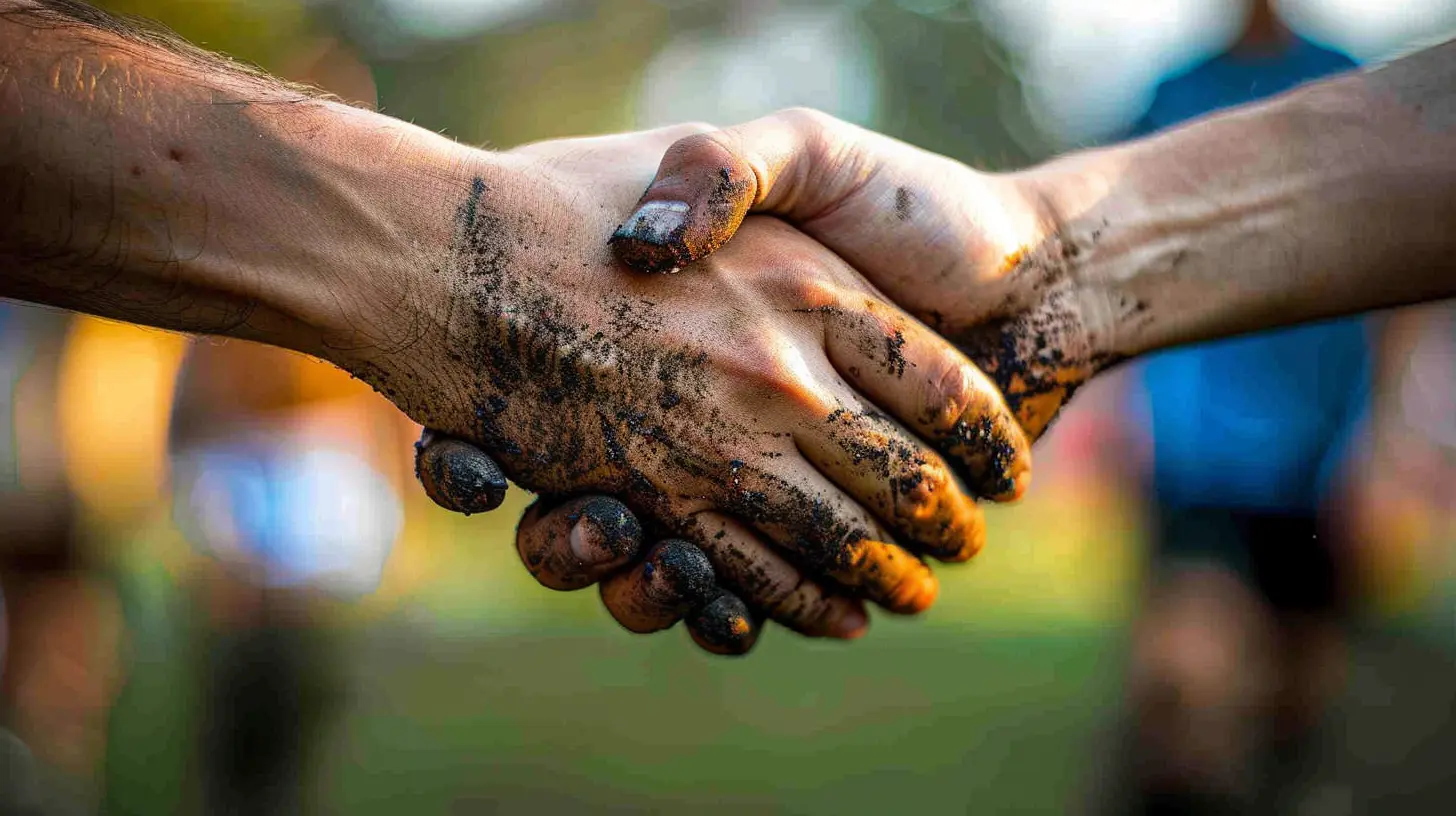
Humility Keeps You Grounded
Ever watched a player beat someone and act like they own the universe? Yeah, not a good look.Success without humility is a flame that burns out fast. And a big part of humility in sports is recognizing that your opponent is just as capable as you.
You might be ahead today, but tomorrow? Tables can turn. Every game, match, or meet has a touch of unpredictability—and that’s what makes it beautiful.
By seeing your opponent as an equal, you stay grounded. You remember that talent is shared, not given to a select few. And that humility? It earns you respect far beyond the scoreboard.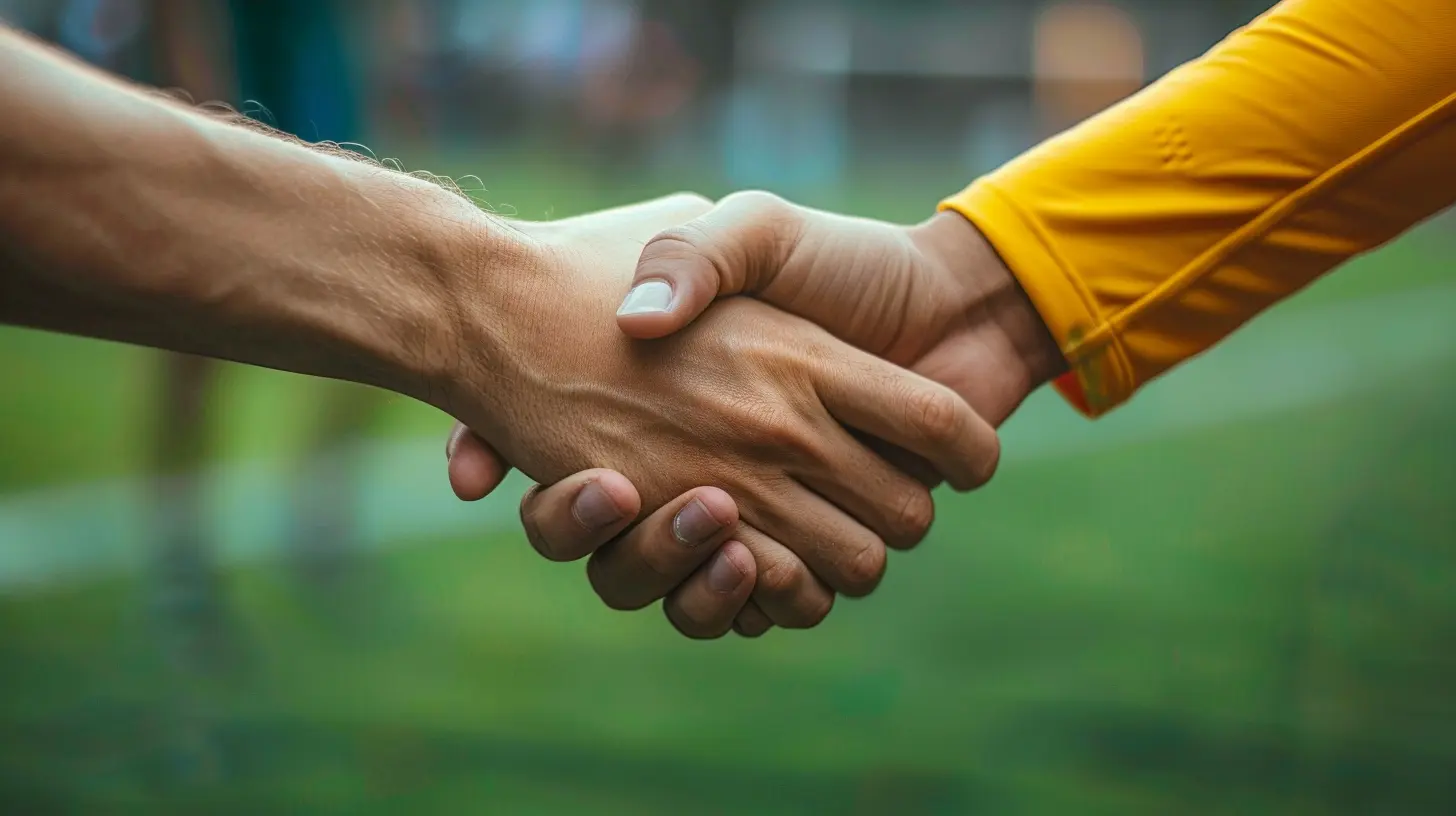
Building Character Beyond the Game
Let’s get real. Most of us won’t make it to the Olympics or break world records. But sports are still one of the best classrooms for life.Why? Because they teach lessons about resilience, teamwork, discipline—and yes, how to treat others.
If you can learn to honor your rivals, appreciate their effort, and walk away from a game with grace (whether you win or lose), you’re building serious character. And that translates to everything—jobs, relationships, friendships, leadership.
So the next time you face a tough opponent, see it as more than a game. It’s a chance to grow—not just as an athlete, but as a person.
Competition Without Compassion Is Hollow
Let’s take a minute and imagine a world where no one cared about each other on the field. No handshakes. No acknowledgments. No “good game” after the final whistle.Cold, right?
Now flip the script. Picture athletes helping each other up, congratulating each other’s effort, and celebrating great plays—even if they come from the other side.
That’s the kind of energy that makes sports magical. It’s not weakness—it’s strength in its truest form. It’s saying, “Yes, we’re competing, but we’re also human. And I see you.”
Rivalry Doesn’t Have to Mean Hostility
Some of the most legendary rivalries in sports—think Federer vs. Nadal, Bird vs. Magic—were built on fierce competition AND mutual respect.These icons pushed each other to greatness precisely because they respected one another. They didn’t hate their opponents. They needed them.
In many ways, your rival is your greatest teacher. They expose your weaknesses, highlight your strengths, and reveal your true character. Instead of seeing them as enemies, why not see them as partners in progress?
Recognizing Equality = Promoting Inclusion
Let’s zoom out a bit. Sports are about more than just scores and statistics—they’re about community and connection.And when we choose to see every opponent as our equal, regardless of gender, race, background, or ability, we’re pushing toward a more inclusive world.
We’re saying, “You belong here. Your effort matters. Your presence matters.”
This shift in mindset is especially crucial at the youth level. When young athletes grow up valuing opponents—not just beating them—they carry that mindset into adulthood. They become the leaders, teammates, and citizens the world needs more of.
Mental Strength Comes from Maturity
Here’s a hard truth: It’s easy to trash talk. It takes real strength to lift someone up—especially when they’re standing opposite you in competition.Recognizing your opponent as your equal is a form of mental maturity. It shows you’ve moved beyond ego and into excellence.
That’s the secret many champions carry with them. They aren’t obsessed with belittling others. They’re obsessed with growth. And growth never happens in a vacuum. It happens when we’re tested—by worthy adversaries who mirror our own hunger.
Lessons from Losses (And Wins)
Want to know one of the best times to recognize your opponent as your equal? After a loss.That might sting a bit, but it’s true.
Losses humble us. They shake us up. And they open the door for reflection. Instead of placing blame or throwing shade, consider this: “Wow, they brought their A-game. Respect.”
And when you win? Don’t forget that your victory is built on the back of someone else’s effort. Your success is more meaningful when you know you overcame a truly worthy opponent.
It’s all connected. Wins, losses, respect—it’s a cycle that’s more rewarding when both sides are honored.
Breaking the Toxic “Win-At-All-Costs” Mindset
Let’s be honest, some sports cultures push the idea that winning is everything. That losing means weakness. That opponents are enemies.That mindset? It's not only toxic—it’s outdated.
Recognizing opponents as equals is a radical rebellion against that toxic narrative. It says, “Yes, I want to win—but not by tearing someone else down.”
It’s about embracing both competition and compassion.
Role Models Lead the Way
If you’re a coach, parent, or team captain, you’ve got the power to change the culture.You set the tone.
When you model respect—even in high-pressure moments—you’re teaching those around you that sportsmanship matters more than a scoreboard.
Young athletes notice everything. When they hear you praise a rival’s performance, or watch you shake hands with grace, they internalize those values. And that ripple effect? It lasts a lifetime.
It’s Bigger Than Sports
At the end of the day, sports are just one part of life. But the lessons we learn on the field, track, court, or mat translate everywhere.In relationships. In business. In leadership. In conflict.
Practicing empathy, respect, and humility with our opponents teaches us to be better humans.
And that’s the real victory.
Final Thoughts: The Real “W” Is Respect
Winning feels good. We can’t deny that. But true greatness comes from acknowledging the grind—on both sides.When we recognize opponents as equals, we transform sports into something more than just games. We make them a mirror of our best selves: resilient, respectful, driven, and deeply human.
So next time you face someone across the net, the line, or the ring—look them in the eye, nod, and say: “Let’s bring out the best in each other.”
Because at the end of the day, that’s what sports are all about.
all images in this post were generated using AI tools
Category:
SportsmanshipAuthor:

Ruben McCloud
Discussion
rate this article
1 comments
Bailey Hall
True competition thrives when respect for opponents fuels the journey.
June 30, 2026 at 3:30 AM
Ruben McCloud
Absolutely, respect elevates the competition and enriches the experience for everyone involved.