The Most Groundbreaking Moments in Sports Celebrity History
16 December 2025
Let’s face it: sports and celebrity culture are as intertwined as peanut butter and jelly. Some athletes transcend the game—they become icons, trendsetters, and even voices for change. Think about it—when was the last time a touchdown, a buzzer-beater, or a knockout didn’t light up your feed with both amazement and debate?
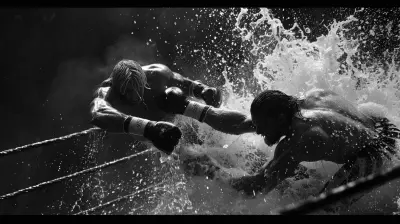
In this deep dive (and I mean deep), we’re cracking open the vault of history to revisit the most groundbreaking moments in sports celebrity history. These moments didn’t just shake up the sports world—they rocked pop culture, shifted societal paradigms, and left marks so bold, they’re practically tattooed on time itself.
So grab a snack, pull up a seat, and let’s relive the insane, inspiring, and jaw-dropping moments when the spotlight got a little brighter and sports stars became legends.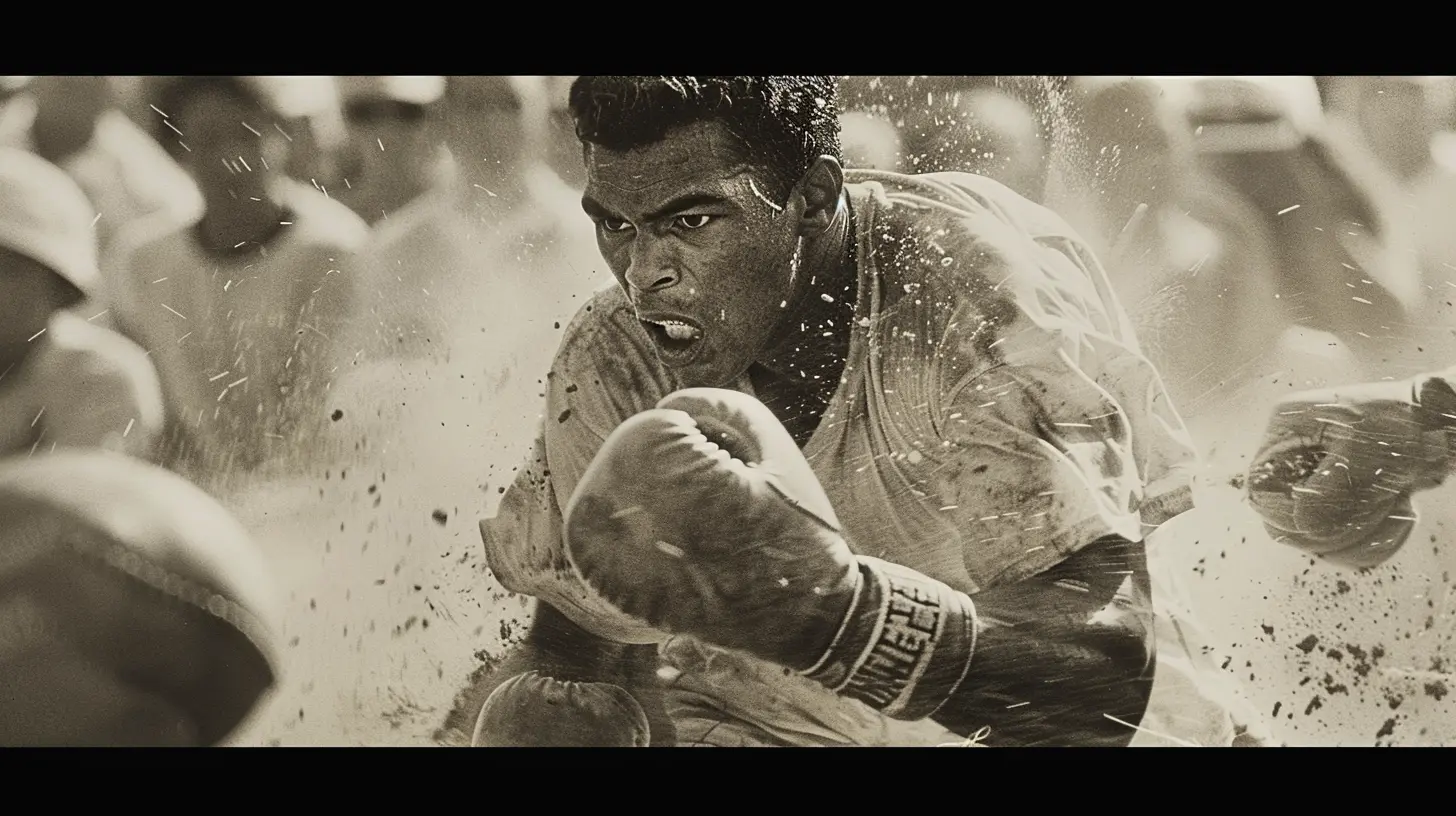
Muhammad Ali Refuses the Draft (1967)
Let’s start with a bang.When Muhammad Ali refused to be drafted into the Vietnam War, the world stood still. He wasn't just dodging a bullet—he was making a statement louder than any bell at the end of a round.
Ali, then at the peak of his boxing career, cited religious beliefs and opposition to the war, famously stating, "I ain't got no quarrel with them Viet Cong." That one sentence echoed across the globe. He was stripped of his heavyweight title, banned from boxing for years, and faced possible jail time.
But here’s the thing—Ali didn’t flinch. He stood tall, becoming a symbol of resistance, civil rights, and unwavering conviction. That moment turned him from a champion in the ring to a legend in history.
Billie Jean King Wins the Battle of the Sexes (1973)
Picture this: 30,000 screaming fans in the Houston Astrodome and 90 million more watching on TV. The stakes? Not just a tennis match—but the ego of an entire generation.Billie Jean King vs. Bobby Riggs wasn’t just about tennis; it was about proving that women belonged in the spotlight just as much as men. With grace, power, and a dash of wit, King beat Riggs in straight sets.
Boom. Just like that, she became a beacon for women’s equality in sports and beyond. That win helped push the conversation about gender equity further than any press conference ever could.
Michael Jordan Retires…Then Returns (1993–1995)
Michael Jordan walking away from basketball in his prime? Yeah, it was like Batman dropping the cape just because he got bored.After dominating the NBA and securing three straight championships, MJ stunned the world by retiring in 1993 following his father's death. But it wasn’t just a break—he literally left to play baseball. The world was left scratching its collective head.
Fast forward to 1995: Two words—"I'm back." That’s all it took. His return didn’t just thrill fans; it reignited the league, boosted TV ratings, and brought the Chicago Bulls back to dominance with three more titles.
Jordan proved that sometimes, legends need a break—but when they return, they do it in style.
Tiger Woods Wins The Masters (1997)
Before Tiger, golf was, well… let’s just say it didn’t scream “mainstream.” But when a 21-year-old with incredible swagger and a monstrous drive won The Masters by 12 freakin’ strokes, everything changed.Tiger wasn’t just a golf prodigy—he was a cultural earthquake. A young Black athlete dominating a traditionally white sport was monumental. His win turned golf into prime-time entertainment and opened doors for a more diverse generation of athletes.
Let’s put it this way—Tiger didn’t just change the leaderboard; he changed the entire game.
The Rise of Serena and Venus Williams
When Serena and Venus burst onto the tennis scene in the late '90s, they weren’t just playing—they were rewriting the rulebook. With their powerful serves, unapologetic style, and sisterly bond, the Williams sisters transformed tennis.What made their journey even more compelling? They came from Compton, not a country club. They faced racism, sexism, and more hurdles than most could handle. But through it all, they dominated—Serena, especially, racking up 23 Grand Slam titles (and counting).
These two didn’t just represent Black excellence—they raised the bar for every athlete, regardless of background.
LeBron James’ “The Decision” (2010)
Let’s be honest: the whole thing was a bit much. A televised special for a free agency announcement? Sounds egotistical, right? But LeBron’s “I’m taking my talents to South Beach” quote became an instant pop-culture classic—whether you loved it or hated it.But let’s dig deeper.
That moment shifted the power dynamic in professional sports. Athletes realized they could control their narratives, their careers, and their destinies. Love him or not, LeBron’s decision marked a new era—one where players became CEOs of their own brands.
Colin Kaepernick Takes a Knee (2016)
Most sports protests fade. This one? It set the world on fire.When Colin Kaepernick first knelt during the national anthem to protest racial injustice and police brutality, he wasn’t wearing a cape—he was in pads and cleats. And yet, the impact was nothing short of heroic.
Kaepernick didn’t just lose his spot in the NFL—he became a global icon for social justice. The #TakeAKnee movement sparked conversations across locker rooms, classrooms, and boardrooms. Brands like Nike backed him. Critics attacked him. But he stood (well, knelt) firm.
That moment showed the world that athletes could still be agents of change—and that silence isn’t always golden.
Simone Biles Prioritizes Mental Health (2021)
For years, athletes were expected to be invincible—physically and mentally. Then came Simone Biles, the GOAT of gymnastics, in the Tokyo Olympics.When she withdrew from several events citing mental health concerns, the world was stunned. Smack in the middle of the biggest stage, she chose her well-being over medals.
And you know what? It was courageous. Not because she could flip or vault better than anyone—but because she reminded us that even superheroes need help sometimes.
Simone’s decision sparked a global conversation about mental health in sports and beyond. And it made her legacy even more powerful.
Naomi Osaka Speaks Out and Steps Away (2021)
Following in the footsteps of Biles, tennis superstar Naomi Osaka bowed out of the French Open, citing mental health struggles and the pressure of press conferences.She wasn’t quitting. She was setting boundaries.
Osaka’s transparency sparked a new wave of awareness—not just about mental wellness but also about the unrealistic expectations we place on our heroes. Young, gifted, and unafraid to speak her truth, Naomi showed us that empathy has a place in competition.
Conclusion: When Athletes Become More Than the Game
What do all these moments have in common? Courage. Not just physical strength or talent, but the bravery to challenge norms, break rules, and use their platform for something bigger than sports.Groundbreaking doesn’t always mean flashy or viral. Sometimes, it’s a quiet protest. A bold return. Or a simple “no” that echoes louder than a victory parade.
As fans, we love the highlight reels. But the moments that truly move us? They’re the ones where athletes become symbols—of resistance, of change, of unity, and of hope.
So next time your favorite player makes headlines, ask yourself: is it just about the game? Or are we witnessing another page being written in the story of sports celebrity history?
all images in this post were generated using AI tools
Category:
Sports CelebritiesAuthor:

Ruben McCloud
Discussion
rate this article
2 comments
Morrow Wolf
Groundbreaking? Please! These moments are like the athletes—some shine bright, while others fizzle out faster than my interest in yet another overhyped celebrity drama!
February 2, 2026 at 5:34 AM
Ruben McCloud
I appreciate your perspective! While not all moments resonate equally, they each contribute to the evolving narrative of sports and celebrity culture.
Carla McElhinney
Great read! The milestones highlighted truly showcase the impact of sports celebrities on culture and society. Thank you for sharing!
December 19, 2025 at 12:59 PM
Ruben McCloud
Thank you for your kind words! I'm glad you enjoyed the article and found the milestones impactful.