The Power of Apology: How Owning Mistakes Builds Sportsmanship
10 October 2026
Let’s talk about something that’s often overlooked in the world of sports. It's not how fast you run, how many goals you score, or even how many trophies you collect. It's something deeper. More human. It’s the ability to say, "I messed up, and I’m sorry."
Yep, we’re talking about the power of apology—and how it can build real, authentic sportsmanship. Whether it's a missed call, a dirty play, or just poor judgment, owning up to your mistakes can elevate your game more than any stat ever could.
Let’s dive into why apologies matter so much in sports, what makes them powerful, and how they can shape better athletes—and better people.
Why Saying “Sorry” Matters in Sports
Think back to any time you were watching a high-stakes game. Tensions are high, players are fired up, and then bam—someone makes a bad move. Maybe it's a cheap shot, a foul, or even a heated comment. The crowd boos, the ref whistles, and we all wait to see what happens next.Now, imagine that player walks up and genuinely says, “My bad.” It’s disarming, right?
Apologies in sports cut through all the chaos. They humanize the game. They cool tempers. More importantly, they signal respect—for teammates, opponents, and the essence of the sport itself.
And sportsmanship? That’s nothing without respect.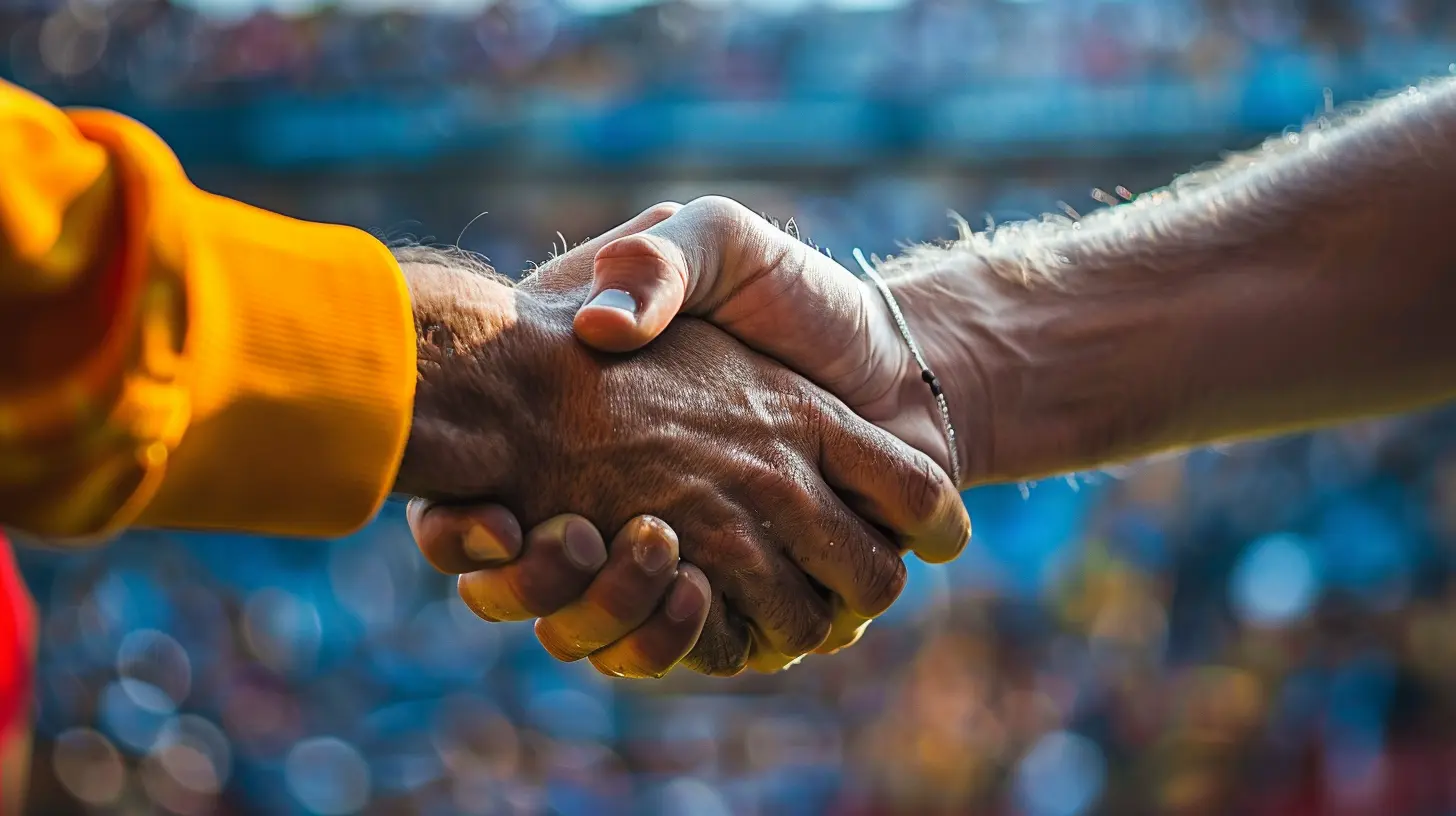
The Myth of the Invincible Athlete
Here’s the deal. Athletes are often treated like superheroes. We see them as larger than life, immune to mistakes, always in control. But guess what? They’re human. Just like the rest of us. They slip up. They overreact. They make bad calls.But here's what separates the greats from the rest: accountability.
Owning your mistakes doesn’t make you weak—it shows maturity. It tells the world, “Yeah, I screwed up, but I’m big enough to admit it and move forward.” That’s strength, not weakness.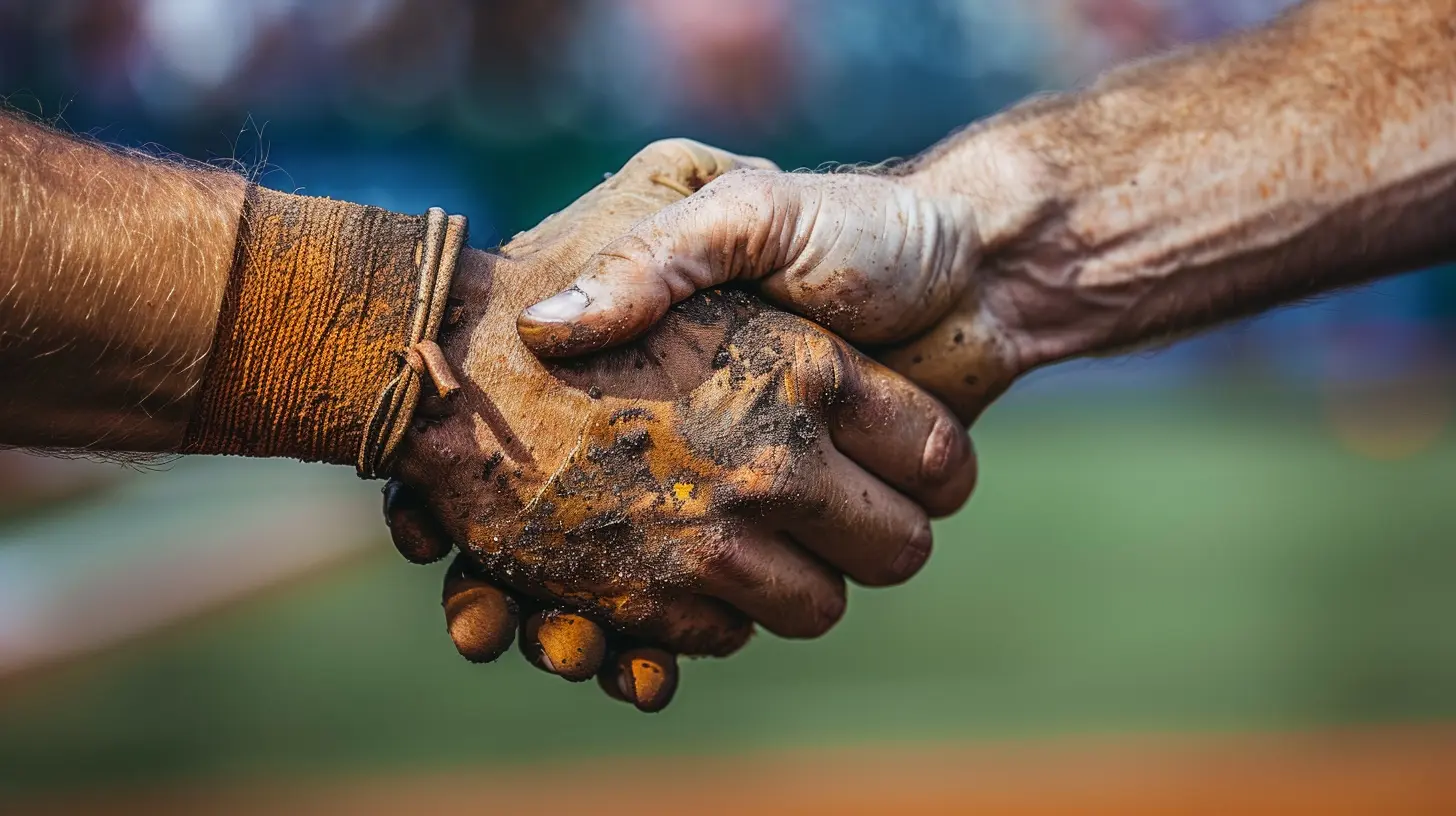
Famous Apologies That Changed the Narrative
Let’s not pretend athletes don’t apologize. Some of the most iconic moments have come from those who had the courage to say they were wrong.LeBron James – The Decision (And the Apology)
Remember when LeBron made "The Decision"? Yep, that move to Miami had people heated. But years later, he owned up to how poorly it was handled. He said he would have done things differently and apologized to the fans he hurt. That humility helped rebuild his image—and showed his growth as both a man and an athlete.Serena Williams – US Open Outburst
During the 2018 US Open Final, Serena’s emotional outburst drew major headlines. But what really stood out was how she later reflected and acknowledged that things could’ve been handled better. That moment didn't hurt her legacy—it added depth to it.Lionel Messi – After a Rare Misstep
Even calm, composed Messi has had moments where he’s lost his cool. But he doesn’t shy away from admitting when he’s crossed the line. That’s part of what makes him legendary—not just his skills, but his grace.These aren't just random apologies. They’re reminders that even the best slip up—and that sincerity can turn a tense moment into a teaching one.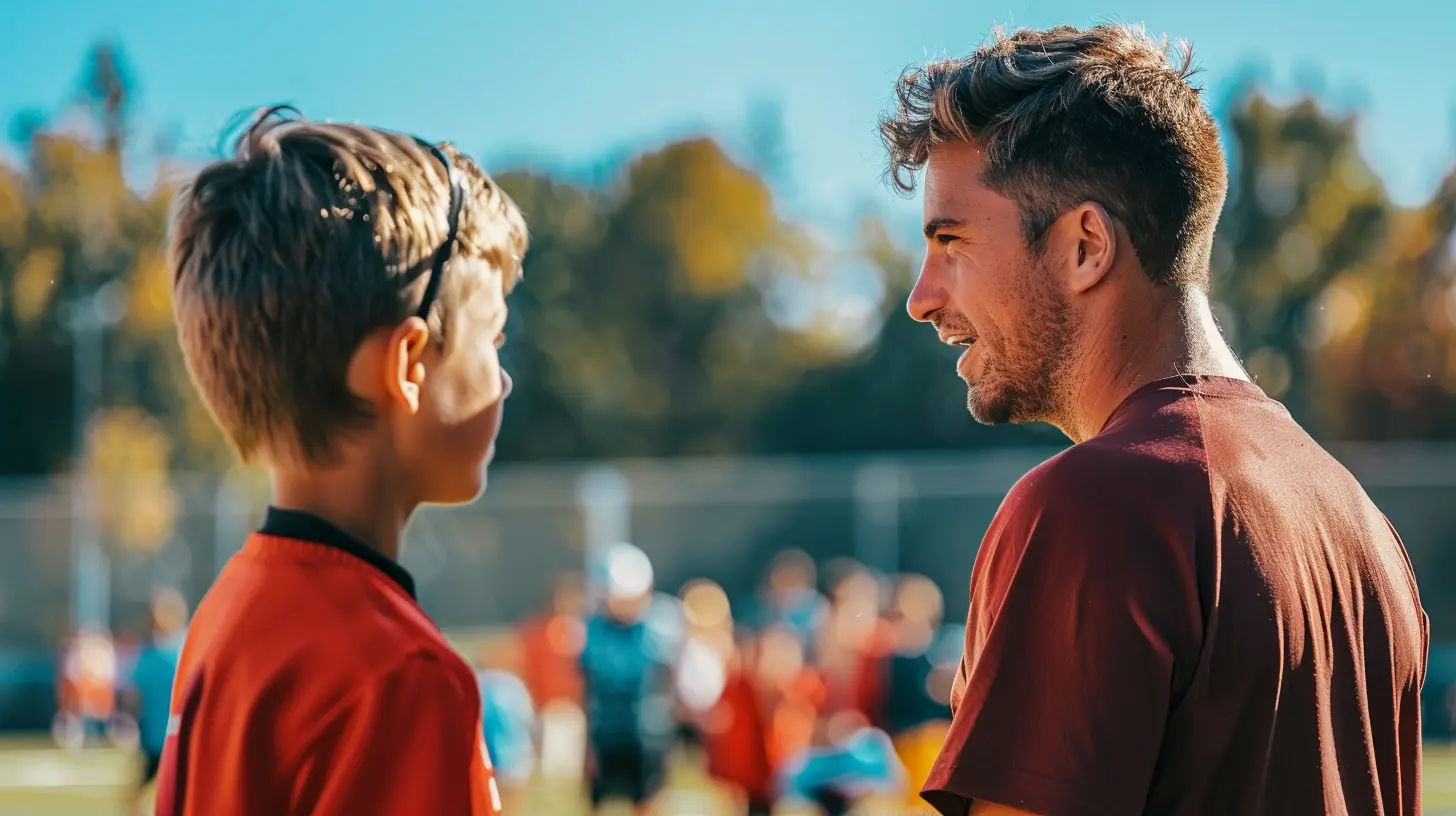
Apologies Are Contagious (In a Good Way)
Let’s talk ripple effect. When a team leader apologizes, everyone takes notice. It sets a tone. It tells the locker room, “Hey, it’s okay to make mistakes—as long as we own them.”It encourages younger players to take responsibility. It builds trust. And let’s be real, it makes coaches’ lives a lot easier.
It’s like when you’re with friends and someone fesses up to goofing. Suddenly, the blame game stops, people stop pointing fingers, and you get back to solving the real problem. In sports, the same rule applies: apologies free up mental space and bring teams closer.
Coachable Moments: Teaching Apology at Every Level
Coaches, listen up—this one's for you.You’re not just teaching kids how to dribble or nail a free throw. You're teaching life skills. One of the most powerful things you can do is encourage honesty after mistakes.
When a player elbows someone accidentally? Apologize.
When they miss a key play and blame someone else? Redirect and remind.
This stuff starts young. And it’s your job to nurture it early. That simple act of “I’m sorry” can shape character in ways no trophy ever could.
Social Media and the Amplified Apology
Now, here’s the kicker—today’s apologies don’t just happen on the field. They happen online. Whether it’s a tweet, an IG post, or a video message, athletes are using digital platforms to say sorry.And while that can be powerful, it also needs to be authentic. People can smell a PR-crafted apology from a mile away. So if you’re going to do it online, make it real. Speak from the heart, not from a script.
Let your fans see the person behind the jersey.
The Mental Game: How Apologies Boost Performance
You might be wondering—how does saying sorry actually help performance?Well, think of your brain like a hard drive. Every mistake you don’t deal with just clutters up mental space. Guilt. Shame. Frustration. It all builds up.
But when you apologize, you’re basically clearing the cache. You acknowledge the issue, take accountability, and move on. That mental clarity? It’s golden. It lets you focus on the next play instead of replaying the last one in your head over and over.
So yeah—saying sorry isn’t just good manners. It’s a mental performance hack.
When Apologies Aren’t Enough
Let’s be clear—apologies are powerful, but they aren’t magic. Saying sorry doesn’t erase a mistake. It doesn’t fix damage if someone’s been hurt. But it’s a start.What really matters is what comes next. Genuine change. Different behavior. Consistent effort.
An apology is like handing someone a cracked bat with the promise to replace it. Action is the follow-through. Without it, all you’re doing is talking.
So, own it. Say it. And then back it up.
The Apology Equation in Sportsmanship
Let’s boil it down. Sportsmanship isn’t just shaking hands at the end of a match. It’s not just playing fair or giving your all. At its core, sportsmanship means respecting the game, your opponent, and yourself.Here’s the basic formula:
Mistake + Accountability + Apology + Change = Stronger Sportsmanship
Without accountability, you’ve got excuses.
Without apology, you’ve got ego.
Without change, you’ve got empty words.
But put them all together, and you’ve got something solid. Something that builds legacies—not just box scores.
Players, Parents, Coaches—It Starts With You
This isn’t just for pro athletes. It’s for weekend warriors. For the U10 soccer squad. For parents yelling from the sidelines. For high school coaches trying to make a difference. Saying sorry is a universal skill. And in sports, it’s a superpower.So next time you screw up on the field or in the heat of the moment—pause. Breathe. Own it. And say the words that can reshape the moment: “I’m sorry.”
Wrapping It Up: Apologies Are the Real MVP
Look, winning is amazing. Scoring is fun. But at the end of the day, no one remembers how many points you had in that one game five years ago. What people do remember? How you treated others. How you handled adversity. How you responded when things didn’t go your way.Apologizing isn’t weakness. It’s strength under pressure. It’s grace with grit. It’s what turns good athletes into great role models.
So let’s normalize it. Let’s champion it. Because in the end, the true character of a player isn’t revealed during victory—it’s in those moments when they’ve messed up, and they choose to own it anyway.
That’s not just good sportsmanship. That’s greatness.
all images in this post were generated using AI tools
Category:
SportsmanshipAuthor:

Ruben McCloud