The Role of Charity Matches in Promoting Gender Equality in Sports
3 October 2026
When we think about charity matches, most of us imagine a fun-filled day of athletes swapping jerseys, celebrities taking a shot at goals, and fans cheering wildly in a stadium packed with excitement. But there's something deeper happening under the surface—something that goes beyond raising money. Charity matches have quietly become powerful platforms for driving real change, especially when it comes to gender equality in sports.
But how, exactly? How can a single match—or a handful of them—move the needle on something as deeply rooted as gender bias in sports?
Let’s dig into it.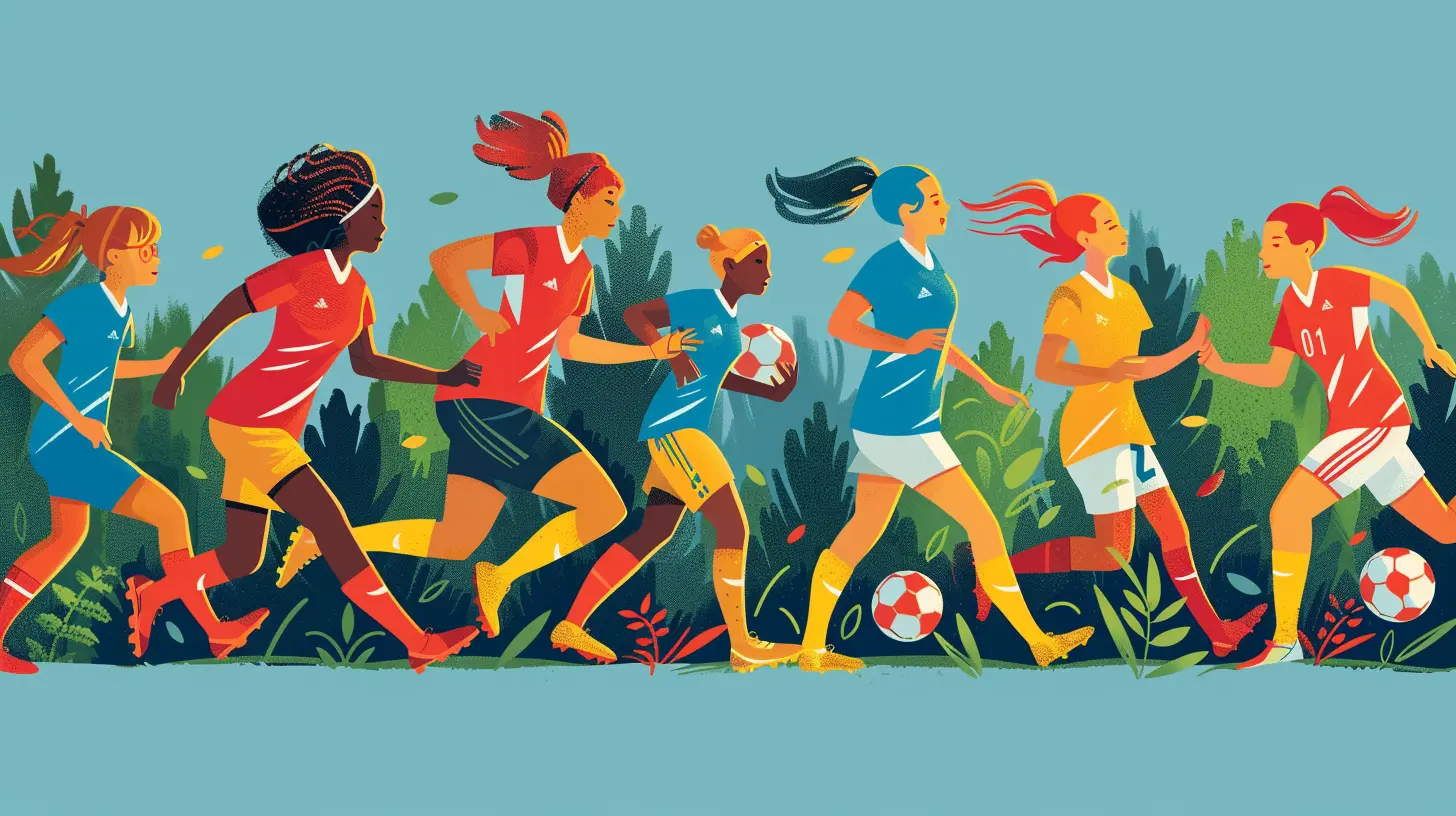
What Are Charity Matches, Really?
First off, let’s break it down. A charity match is a sporting event organized with the primary goal of raising funds for a specific cause. Unlike professional competitions that revolve around trophies and titles, these games focus on purpose. They blend entertainment, philanthropy, and awareness into one power-packed event.These matches often include:
- Mixed-gender teams
- Retired legends sharing the field with rising stars
- Celebrities stepping into the athletic spotlight
- Crowds drawn in by both the cause and the fun
It’s not just about goals scored or points earned—it’s about the message delivered.
Why Gender Equality in Sports Even Needs Promoting
Let's face it—sports haven’t always been a level playing field for everyone.For decades, women in sports have battled unequal pay, limited media coverage, and lack of sponsorship opportunities. Think about it: how often do you hear about a women’s football league compared to the men’s? How many female athletes are getting the same kind of endorsement deals as their male counterparts?
Statistics don’t lie. Female athletes are underrepresented, undervalued, and underestimated.
So, where do charity matches come in? They’re becoming unexpected heroes in this narrative.
Breaking Stereotypes One Game at a Time
Charity matches have a unique power—they gather attention. Not just from fans, but from media, sponsors, and even policymakers. When you place female athletes front and center in these events, magic happens.Think about it. When a charity match goes viral, and fans see a women’s team outplaying expectations or a female athlete dominating the field, it triggers a shift in mindset. Suddenly, the audience isn’t thinking, “That’s good… for a girl.” They're thinking, “Wow, she’s amazing—period.”
These matches help dismantle the tired old stereotypes. They showcase skill, grit, and talent without the gender labels.
Inclusivity in Motion: Mixed-Gender Matches
Here’s where it gets interesting: many charity matches feature mixed-gender teams. That’s not something you see every day in competitive sports.Putting male and female athletes on the same team forces fans to view them as equals. On the same squad, chasing the same goals, they collaborate, support, and compete in ways that highlight ability over anatomy.
It's like mixing colors on a painter’s palette—you don’t see "pink" or "blue"; you see a masterpiece. These games prove that skill doesn’t have a gender. And your ticket to the match? It's also your front-row seat to a more inclusive future.
Creating Role Models for the Next Generation
Charity matches put female athletes in the spotlight.Why does that matter?
Because representation isn’t just important—it’s everything. If young girls don’t see women succeeding in sports, how can they imagine themselves doing the same?
Charity events showcase women leading teams, scoring goals, and celebrating victories—not as exceptions, but as equals. These matches create heroes for the next generation—aspiring athletes who no longer have to “picture it” because they’re watching it happen in real-time.
It's like planting seeds in a garden. Every young girl who sees herself in a female athlete is one step closer to believing she belongs on the field too.
Leveraging Media Attention for Social Change
Let’s be real: media coverage is a game-changer.Charity matches often grab media headlines—not just in sports news, but across lifestyle, entertainment, and social media platforms. That’s a huge advantage.
Here’s the silver lining: if a high-profile charity match features an equal number of female stars as male stars, the media starts rewriting the narrative. It becomes impossible to ignore that women’s sports are just as thrilling, competitive, and impactful.
When media catches on, sponsors follow. And when sponsors follow, investment increases. That’s the start of a cycle that leads to better facilities, more training opportunities, and eventually, equal pay.
All starting with a charity match? That’s the beauty of it.
The Ripple Effect on Organizations and Brands
Charity matches don’t just benefit the players—they influence the big players behind the scenes too: the organizations, federations, and brands sponsoring them.When an organization supports a match that promotes gender equality, it sends a loud and clear message: “We believe in equal opportunity.” That builds brand trust. It also pressures other organizations to step up or risk being left behind.
More and more, companies are realizing that social impact isn’t optional. It’s expected. And charity matches are offering them a perfect platform to walk the talk.
Real-World Examples that Inspire
Let’s take a quick look at some powerful real-life examples:Soccer Aid for UNICEF
This annual event features male and female athletes playing side by side, with millions tuning in worldwide. It doesn’t just raise money—it raises eyebrows (in a good way) and questions old assumptions about gender roles in sports.The Big Bash League in Australia
Their charity matches have included mixed commentary teams, equal airtime for men's and women’s games, and deliberate efforts to promote female talent. You know what happened? Audiences grew—and so did respect for women’s cricket.Tennis’ Battle of The Sexes
While not a charity match per se, this iconic event between Billie Jean King and Bobby Riggs in 1973 laid the groundwork for what we’re seeing today. It shattered preconceptions and gave birth to countless charity and exhibition matches with a mission.The Power of Purpose in Sport
People connect with causes.When fans support a charity match, they’re not just cheering for their favorite players—they’re backing a belief. That belief? That sports should be fair for everyone, regardless of gender.
And when something as deeply emotional and unifying as sports takes a stand, people listen. From grassroots communities to Olympic committees, the wave of change starts catching on.
It’s no longer just about charity. It’s about changing culture.
Fans as Advocates for Equality
You’re not just a spectator. As a fan, you’ve got real power.Every ticket you buy for a charity match, every post you share, every cheer you contribute—it's a vote for equality. It’s your way of saying, “This matters.”
And guess what? The influencers of sports—media, sponsors, and federations—are paying close attention to where the fans stand. When the crowd roars for gender equality, they can’t afford to ignore it.
What’s Next? Raising the Bar Even Higher
There’s still a long road ahead.Charity matches are making waves, but to truly level the playing field, we need more:
- More media coverage for women-led charity events
- Equal pay for appearances, regardless of gender
- More visibility for emerging female athletes
- Stronger partnerships between men’s and women’s teams
But you know what gives us hope? The momentum is real. The desire for change is loud. And charity matches are already proving that when we blend sports with purpose, we can score far more than just goals.
Final Thoughts
Charity matches are so much more than just feel-good events. They’re transformation on a scoreboard. By inviting both men and women to share the same field, spotlight, and cheers, these games remind us of something bigger: that sport can be a vessel for justice, a platform for change, and a celebration of equality.And next time you see a charity match on the calendar, think beyond the entertainment. Think about the young girl watching from her couch, seeing someone who looks just like her being cheered on—not just for being a woman but for being outstanding.
That’s what real progress looks like.
all images in this post were generated using AI tools
Category:
Charity GamesAuthor:

Ruben McCloud