The Role of Education in Preventing Doping in Youth Sports
17 March 2026
Youth sports should be all about passion, teamwork, and pushing limits the right way. But let’s be real—there’s a growing issue that threatens the integrity of the game: doping. It’s a topic that often makes headlines in professional sports, but guess what? It’s sneaking into youth sports too.
The best way to tackle this problem? Education. Yep, knowledge is the ultimate defense against the temptation of performance-enhancing drugs (PEDs). Let’s dive into why education plays a key role in keeping youth sports clean and how we can foster a culture of fair play and integrity.

Understanding Doping in Youth Sports
Before we can fix a problem, we need to understand it. Doping isn’t just about steroids or extreme substances—it includes anything that gives an unfair advantage, from prescription meds misused for performance to over-the-counter supplements with banned ingredients.So, why do young athletes fall into this trap?
- Pressure to perform – Whether it’s from coaches, parents, or even personal expectations, many young athletes feel the need to be the best at any cost.
- Lack of awareness – Some don’t even realize they’re taking illegal substances. A lot of supplements on the market contain banned ingredients.
- Influence from role models – If top athletes are caught doping, it sends a dangerous message to younger players: “If they did it, why shouldn’t I?”
- Peer pressure – If teammates are using PEDs, a young athlete might feel they have to do the same to keep up.
This is why education is so crucial—it arms young athletes with the knowledge they need to make smart, ethical choices.

The Power of Education in Preventing Doping
Education isn’t just about sitting in a classroom and memorizing facts. It’s about shaping values, building awareness, and teaching young athletes that success is sweeter when it’s earned the right way.1. Teaching Ethics and Fair Play
Let’s be real: sports aren’t just about winning—they’re about character. Through education programs, we can teach kids that integrity, hard work, and dedication are the true markers of success.When young athletes understand that doping is a form of cheating, it helps them see how it undermines the spirit of the game. No one wants to win knowing they had an unfair advantage—that’s like playing a video game on cheat mode. Where’s the thrill in that?
2. Awareness About the Dangers of Doping
PEDs come with serious risks—both physically and mentally. Most young athletes don’t fully grasp the damage they can do to their bodies in the long run. Some potential health risks include:- Heart problems
- Liver damage
- Mood swings and aggression (aka ‘roid rage)
- Hormonal imbalances
- Stunted growth in teens
By educating young athletes on these dangers, they can make informed decisions about their health. No championship or medal is worth lifelong health issues.
3. Educating Coaches, Parents, and Peers
Athletes don’t exist in a bubble. The people around them play a huge role in shaping their choices. That’s why education shouldn’t just be targeted at the players—coaches, parents, and even teammates should be aware of doping dangers and prevention strategies.- Coaches can foster a culture of clean sport by reinforcing the importance of fair play and regularly discussing the risks of PEDs.
- Parents need to be involved and aware of the signs of doping. If their child is suddenly gaining muscle unnaturally fast or experiencing mood swings, they should dig deeper.
- Peers and teammates also play a role. If one athlete sees another considering PEDs, they should feel confident enough to speak up and offer guidance.
4. Teaching Proper Nutrition and Training
A major reason why young athletes turn to PEDs is because they don’t realize they can boost their performance naturally. If they are taught early on about the power of proper nutrition, hydration, sleep, and strength training, they’ll have no need for shortcuts.Think of the body like a race car—fuel it with quality ingredients, maintain it well, and it will perform at its peak. Junk fuel (like PEDs) might make it go faster for a short time, but in the long run, it destroys the engine.
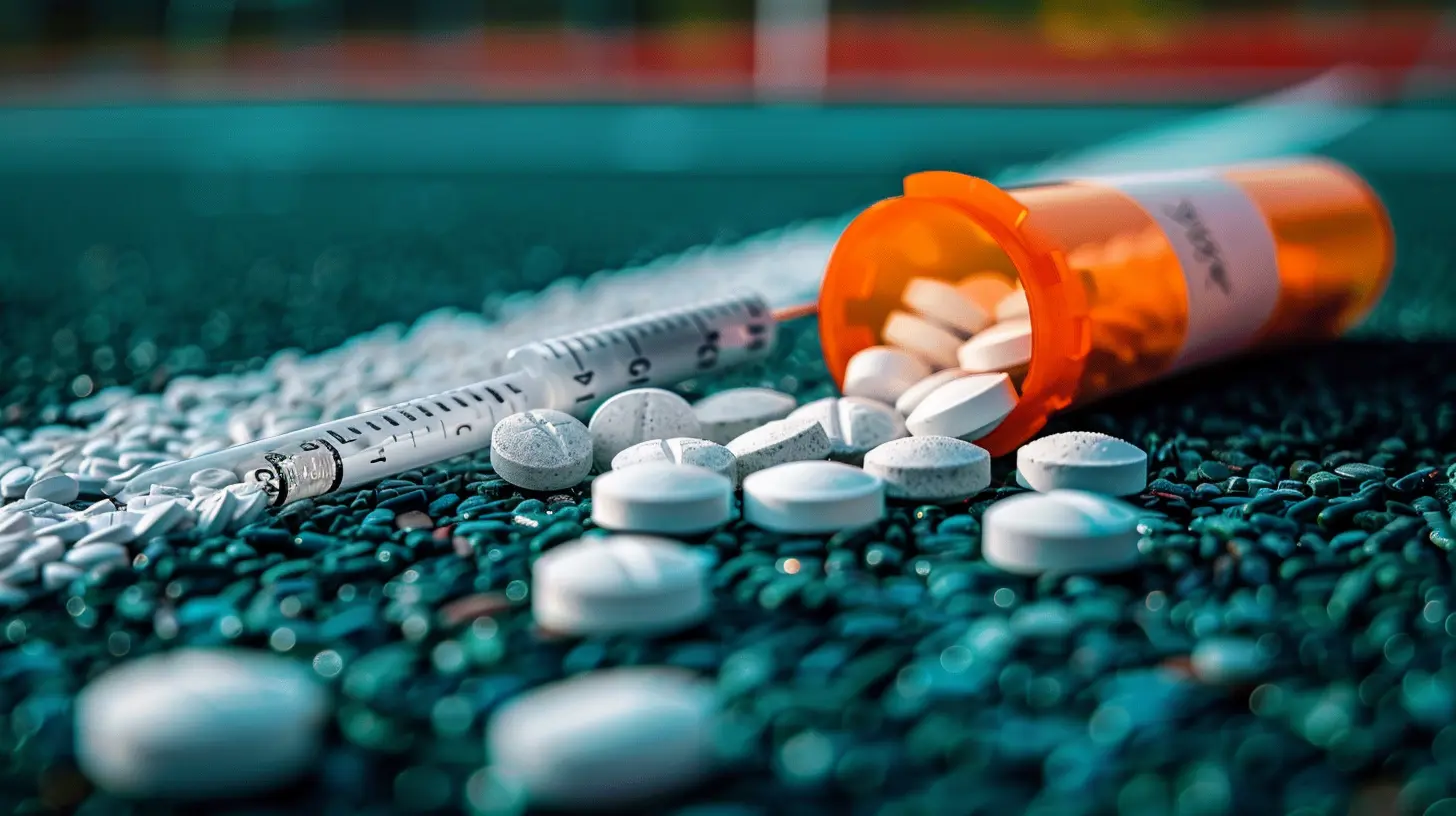
Anti-Doping Programs for Youth Sports
Many organizations are stepping up and implementing anti-doping programs designed for young athletes. These initiatives help spread awareness and create a doping-free sports culture. Some effective programs include:- The Play True Generation Program – Encourages young athletes to develop a strong sense of sports ethics and clean competition.
- Global Drug Reference Online (Global DRO) – A great tool for athletes, parents, and coaches to check whether a supplement contains banned substances.
- School and Sports League Workshops – Bringing professionals and former athletes to talk directly with young players about the dangers of doping makes the issue real and relatable.
When these programs are combined with school curriculums and community-wide efforts, they can create a lasting change.
The Role of Social Media in Anti-Doping Education
Social media is a powerful tool, for good or bad. Unfortunately, it can spread misinformation, but it can also be used as an educational platform. Positive role models, clean sport campaigns, and informative content can help shift attitudes towards fair play.Coaches, sports bodies, and even young athletes themselves can use platforms like Instagram, TikTok, and YouTube to share success stories of clean athletes, bust myths about PEDs, and provide helpful guidance on natural performance boosting.
Conclusion: Building a Future of Clean Sports
Doping doesn’t have to be a shadow over youth sports. Education is the key to prevention, and by equipping young athletes with knowledge, we can create a future where performance is built on discipline, talent, and hard work—not shortcuts.Every athlete deserves the chance to compete fairly, knowing that their success is truly their own. Through continuous education, community support, and strong mentoring, we can uphold the true essence of sports—where victories are earned, not stolen.
So, to all the young athletes out there: Stay clean, stay strong, and remember—your talent is your superpower!
all images in this post were generated using AI tools
Category:
DopingAuthor:

Ruben McCloud
Discussion
rate this article
2 comments
Quentin Webster
Education is the key to empowering young athletes. By fostering knowledge and integrity, we can cultivate a culture of fair play and respect. Let's inspire the next generation to chase their dreams without compromising their values!
April 15, 2026 at 4:55 AM
Ruben McCloud
Absolutely! Education instills values that empower athletes to pursue their goals with integrity, fostering a culture of fairness and respect in sports.
Nicholas Walker
Education is crucial in preventing doping in youth sports. By fostering a deep understanding of the health risks and ethical implications, we empower young athletes to make informed choices. Coaches and parents must prioritize open discussions about integrity and fair play to cultivate a clean sports culture.
March 19, 2026 at 1:26 PM
Ruben McCloud
Thank you for your insightful comment! Education indeed plays a vital role in shaping a culture of integrity in sports. Open dialogue among coaches, parents, and young athletes is essential to ensure informed choices and promote fair play.