The Role of Humility in Creating a True Sportsman
26 July 2026
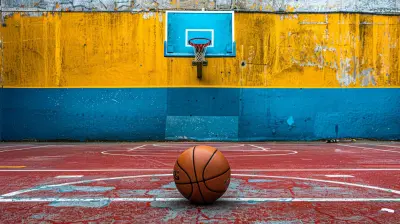
Sports—whether it's a team game like basketball or a solo mission like tennis—are more than just physical exertion and competition. At their core, they’re character builders. And if there’s one character trait that separates the average athlete from a true sportsman, it’s humility.
Humility isn't just a nice-to-have. It’s the invisible thread that holds the values of respect, discipline, and growth together. But let’s be honest, in today’s world, where trash talk goes viral and ego is often mistaken for confidence, humility tends to take a backseat. So, what does humility really mean in the sports world? And why is it so important?
Let’s dive in and peel back this undervalued quality that quietly defines what it means to be a genuine sportsman.
What Exactly Is Humility in Sports?
Before we get too deep, let’s clarify what humility actually looks like on and off the field. In sports, humility shows up when an athlete:- Acknowledges their teammates and coaches after a personal achievement
- Accepts constructive criticism without getting defensive
- Gives credit where it’s due—even to opponents
- Keeps their head down after a big win and doesn’t gloat
- Admits mistakes and works to improve
Humility isn’t about thinking less of yourself; it’s about thinking of yourself less. It's not weakness—it's strength under control. You can still be confident and believe in your skills without being arrogant. That's the sweet spot. And in sports, that balance is everything.
Why Humility Is the Secret Ingredient of a Great Sportsman
1. It Builds Stronger Teams and Bonds
Ever played with someone who hogs the ball and never listens? Yeah—not fun.Humility makes room for teamwork. It allows players to recognize the value others bring to the table. When everyone puts the team first rather than chasing personal glory, magic happens. The passes connect better, the chemistry gets stronger, and the wins? They become much sweeter.
Great sportsmen aren't just great athletes; they're great teammates. They lift others up, make space for everyone to shine, and understand that no one wins alone.
2. It Encourages Continuous Growth
An athlete who thinks they’ve “arrived” has already stopped improving.Humility keeps a sportsman grounded. It tells them there’s always room to grow—no matter how many records they break or medals they win. A humble athlete takes every loss as a lesson, every win as a stepping stone, and every critique as a chance to level up.
Think about legends like Roger Federer or Tom Brady. Despite their insane success, they’ve always remained teachable. That's humility at work.
3. It Earns Respect, Not Just Recognition
Let’s face it—flashy plays and smack talk might get you noticed, but it’s humility that earns long-term respect.Fans admire talent, but they fall in love with character. Opponents may remember a killer crossover, but they’ll respect the player who congratulates them after the game. Coaches trust athletes who stay humble because they know they’re coachable—not cocky.
Being a true sportsman means leaving a legacy that goes beyond stats—it’s about the respect you earn along the way.
Confidence vs. Arrogance: Where’s the Line?
A lot of folks confuse confidence with arrogance, especially in competitive sports. But the difference is subtle and super important.- Confidence says, “I believe in my ability.”
- Arrogance says, “No one is better than me.”
See the difference?
Humility helps you stay confident without stepping into arrogant territory. It lets you trust your training and talents while still appreciating others’ abilities. It keeps ego in check and turns competition into mutual respect instead of cutthroat rivalry.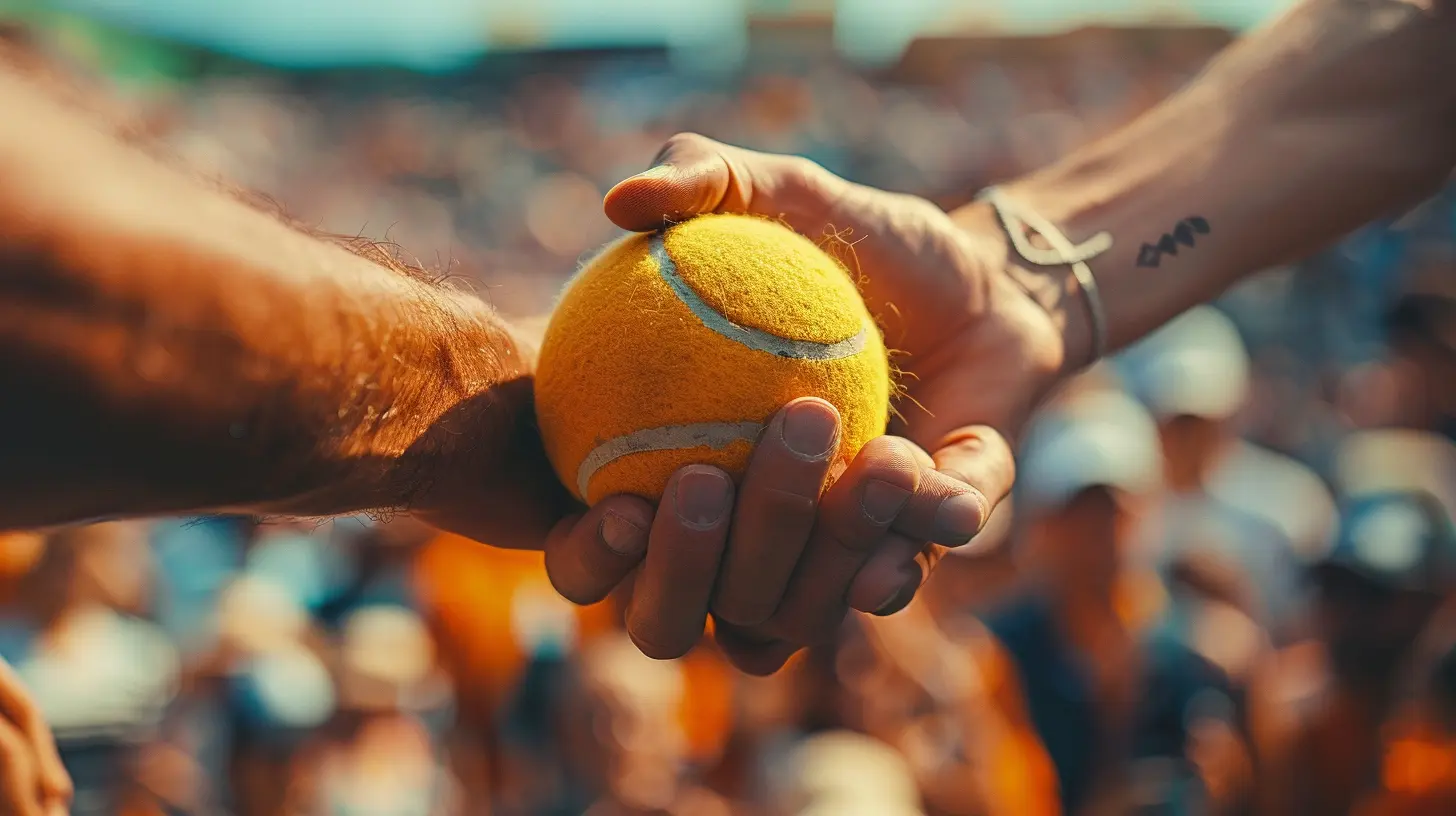
The Humble Role Models: Real-Life Examples
Let’s put some faces to the idea. There are countless athletes who embody humility, but a few stand head and shoulders above the rest—not just for what they’ve achieved, but how they carry themselves.Roger Federer
The Swiss maestro is a walking billboard for humility. Despite being one of the most decorated tennis players in history, he’s universally respected not just for his skill, but for his grace. He thanks ball boys, applauds opponents, and never fails to credit his team.Tim Duncan
“The Big Fundamental” wasn’t flashy, but he was fiercely effective. And he never sought the spotlight. Tim Duncan let his game do the talking and always put the San Antonio Spurs above personal fame. That's humility in high-tops.Simone Biles
Talk about humility with courage. She’s one of the greatest gymnasts ever, but when her mental health needed attention, she didn’t let pride get in the way. She stepped back during the Tokyo Olympics—showing that being honest and humble doesn’t make you any less of a champion.How Humility Affects Mental Toughness
Here’s something most people overlook: humility strengthens your mental game.Why? Because humble athletes accept that failure is part of the process. They don’t crumble under pressure because they’re not obsessed with perfection. They take hits, grow from them, and stay focused on improving.
That bounce-back mentality—that resilience—isn't fueled by ego, but by humble grit. When you're humble, you're not afraid to mess up. You're afraid of not learning from it.
Humility Makes the Game Better for Everyone
Let’s zoom out for a second.When players, coaches, and even fans embrace humility, the entire sports culture benefits. Games are played with integrity. Trash talk ends at the buzzer. Rivalries are competitive but respectful. And sportsmanship becomes more than just a handshake at the end of the game—it becomes a lifestyle.
It also sets a standard for young athletes coming up the ranks. Kids imitate what they see. When they watch humble players, they learn that greatness isn’t just about talent—it’s about how you treat others, how you handle defeat, and how you stay grounded when you win.
How to Cultivate Humility as an Athlete
So you’re probably wondering, “Okay, how do I work on being more humble as a sportsman?” Don’t worry—it’s not rocket science. Here are some real, actionable ways to build humility into your athletic journey:1. Embrace Feedback
Whether it comes from a coach, a teammate, or even a fan—listen. You don’t have to agree with everything, but be open. Feedback is like GPS for your improvement.2. Shine the Spotlight on Others
After a big win, who helped you get there? Acknowledge them. Whether it’s a teammate setting you up, a coach guiding your strategy, or your family supporting you off the field—share the credit.3. Watch and Learn from Losses
Don't brush off defeats. Study them. Own your mistakes. Losses sting, but they’re the best teachers around—if you're humble enough to learn.4. Keep Your Celebrations Classy
Celebrate your victories, of course. You earned them! But try not to rub it in. There’s a big difference between celebrating with joy and celebrating at someone else’s expense.5. Serve Others
Want a fast-track to humility? Volunteer to coach kids, help out teammates, or mentor younger players. When you put yourself in service of others, it naturally shifts your perspective away from self-centeredness.Final Thoughts: Humility Isn't a Weakness—It's a Superpower
At the end of the day, the sports world doesn't just need more talent—it needs more heart. And humility is at the center of that heart. It's the glue that binds skill with character, passion with purpose, and victory with virtue.A true sportsman isn't just someone who wins—they're someone who wins well...and loses with grace. That balance? That's what makes the great truly unforgettable.
Whether you're a rising athlete, a weekend warrior, or a diehard fan, keep humility close. Let your game be loud, but your ego be quiet. Because in the end, humility isn’t the opposite of greatness—it’s what makes greatness possible.
all images in this post were generated using AI tools
Category:
SportsmanshipAuthor:

Ruben McCloud
Discussion
rate this article
1 comments
Mercy McKenzie
This article highlights a vital aspect of sports that often goes unnoticed. Humility not only shapes character but also fosters respect among competitors. A true sportsman embodies this quality.
July 28, 2026 at 4:58 AM
Ruben McCloud
Thank you for your insight! Humility truly is a cornerstone of sportsmanship and helps build a respectful community.