Yoga for Improving Lung Capacity and Breath Efficiency
18 January 2026
Let’s take a deep breath together… ahh, feels good, right? Now imagine if that breath could go deeper, smoother, and way more efficient. Sounds awesome? That’s where yoga comes in! Whether you're an athlete trying to shave seconds off your time, a singer wanting more lung power, or just someone struggling with shallow breathing, yoga has your back (and your lungs!).
In this article, we’re diving into how yoga can improve lung capacity and boost your breath efficiency—without any complicated jargon. Just stretchy pants, a mat (optional), and your breath. Let’s roll!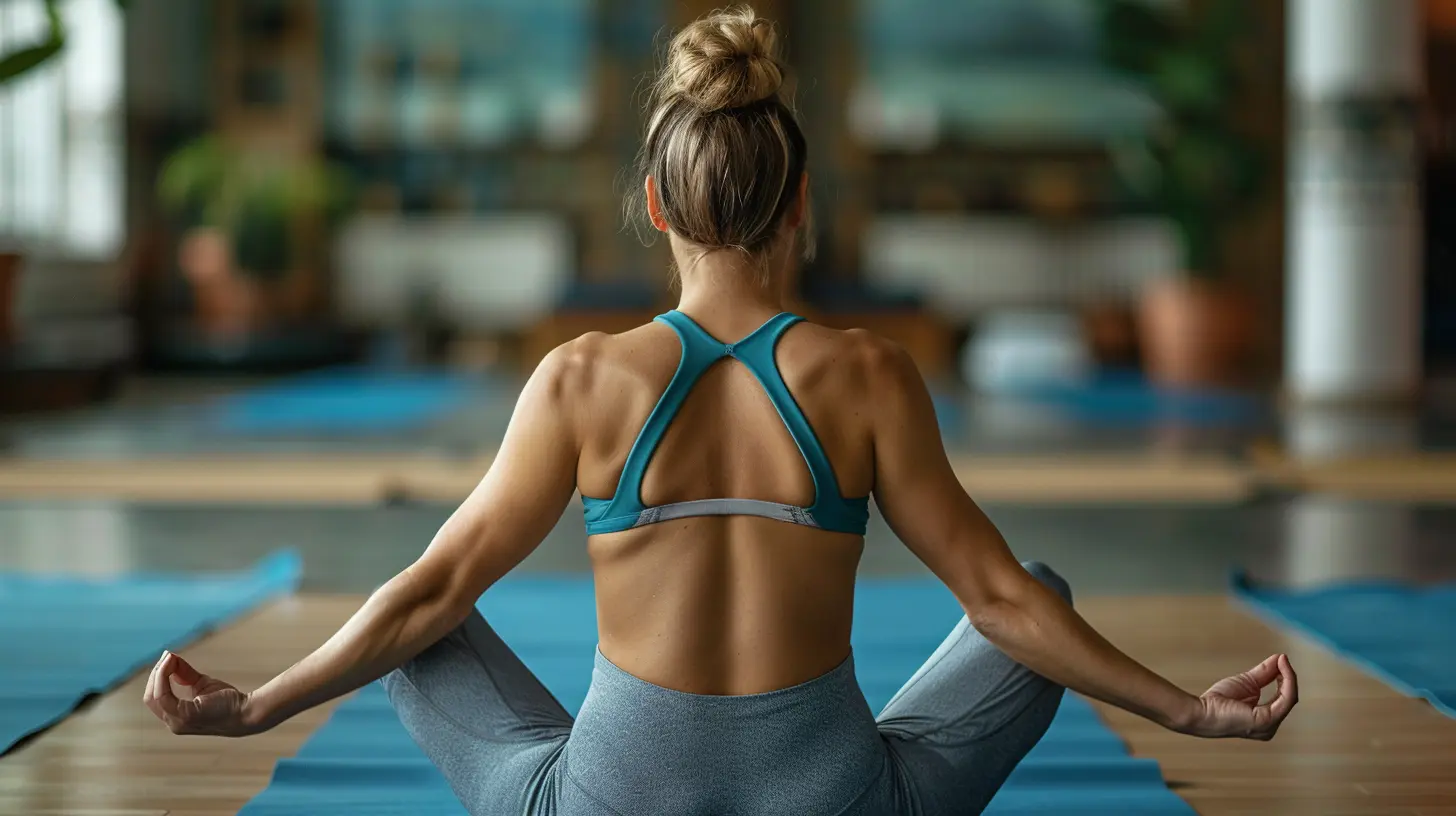
Why Lung Capacity Matters (More Than You Think)
Before we get stretchy, let’s talk lungs. Lung capacity is basically how much air your lungs can hold. The more air you can hold, the better your body can oxygenate itself. More oxygen = better performance, endurance, and energy. Sounds like a win, right?But here’s the kicker: most of us only use a teensy fraction of our lungs when we breathe. We’re talking shallow, chesty breaths. Not ideal, especially when life throws stress, pollution, or illness into the mix.
This is where yoga comes in like a superhero in comfy leggings.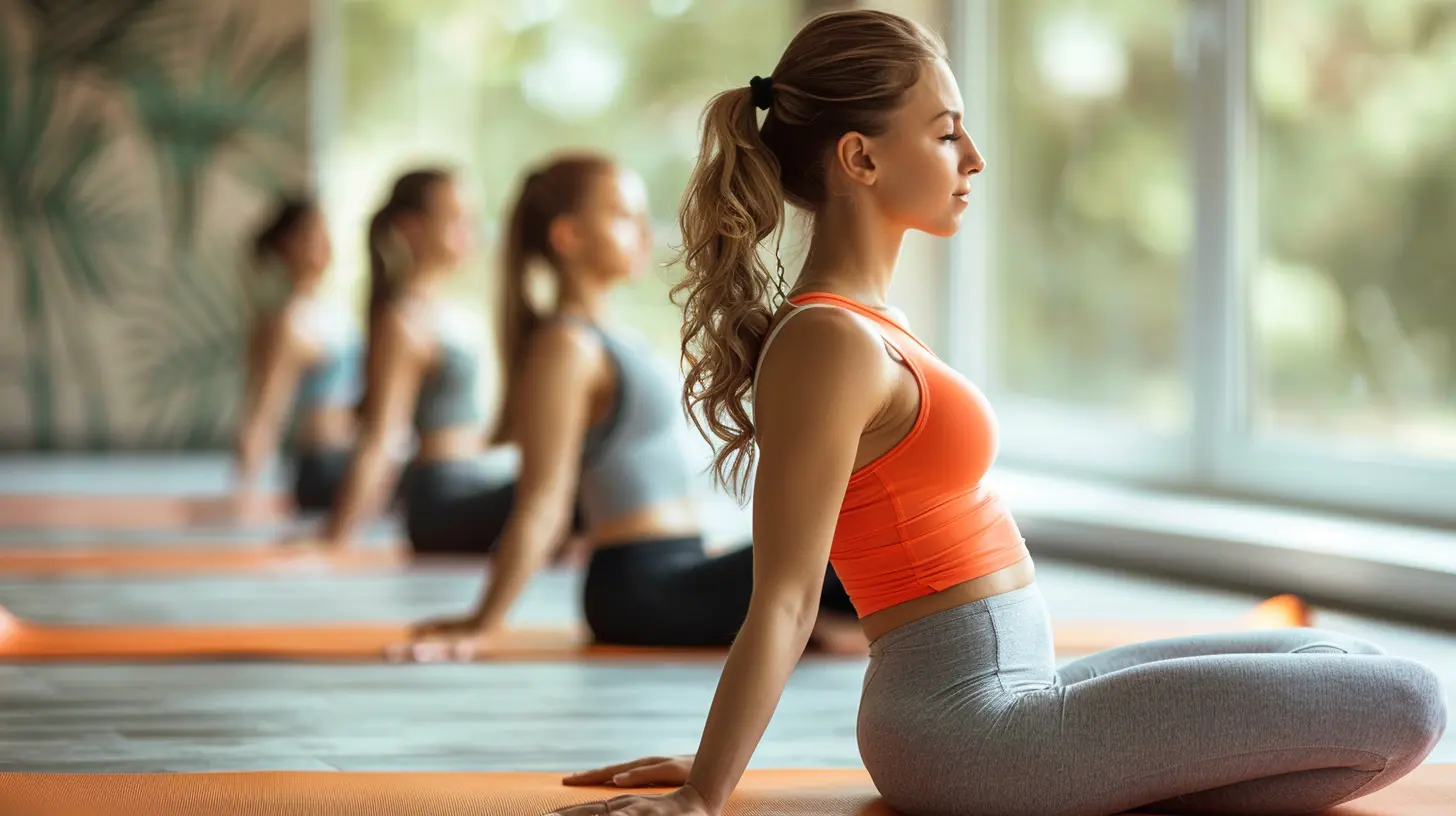
How Yoga Helps Your Lungs (It’s Science-Backed!)
Yoga isn’t just about doing handstands and chanting "om". At the heart of it is breath control, also known as pranayama. This makes yoga perfect for working out your lungs.Here’s how yoga helps:
- Deep breathing practices expand lung capacity
- Controlled breathing increases breath awareness and efficiency
- Poses open up the chest, diaphragm, and ribcage
- Reduces stress, which means better breathing automatically
It’s like strength training, but for your lungs!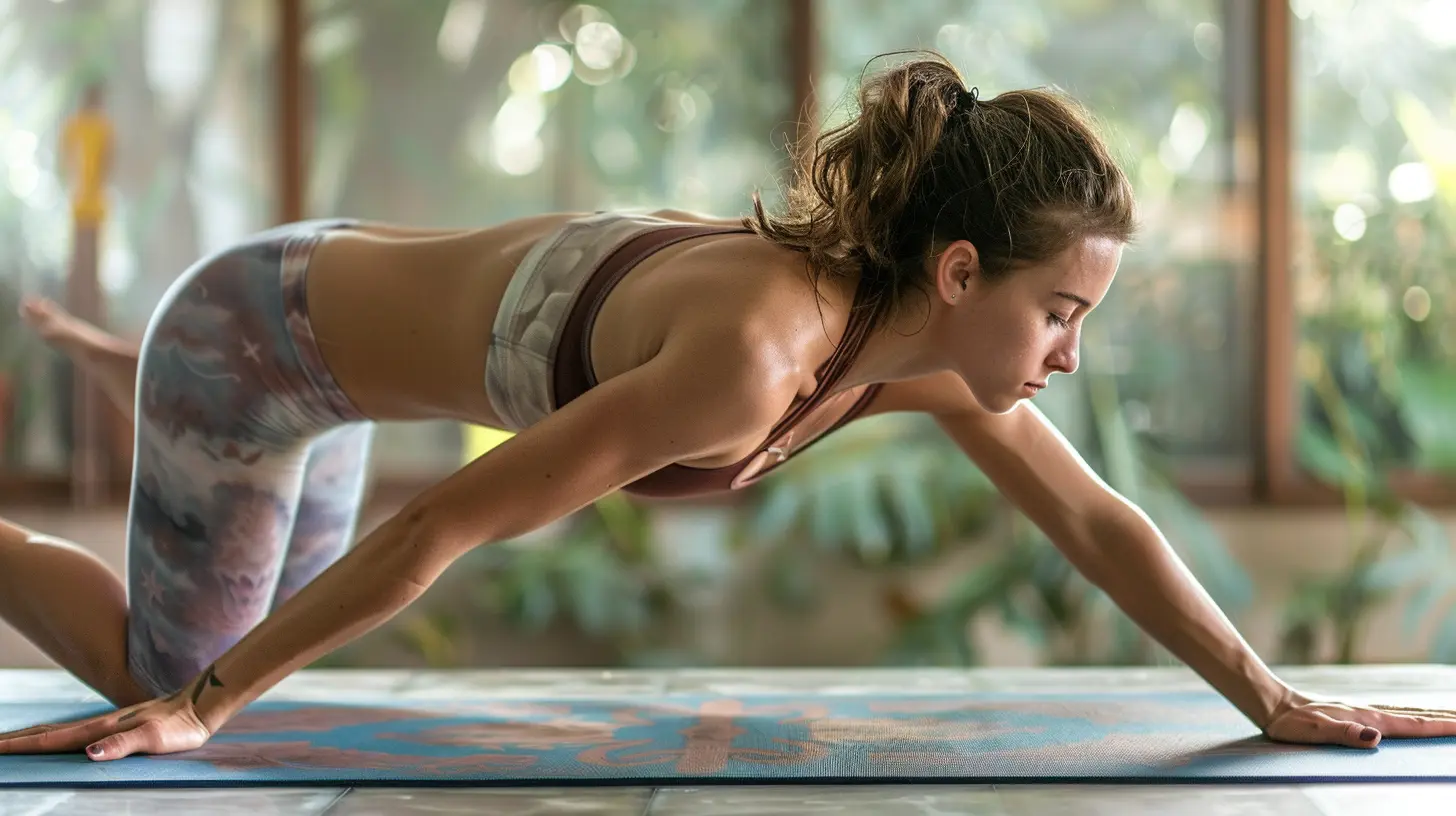
Breath of Fresh Air: Meet Pranayama
Let’s talk pranayama. Don’t let the fancy word scare you—it simply means “control of breath.” Pranayama is the soul of yogic breathing and is like CrossFit for your respiratory system.Ready to try a few simple ones?
🌀 1. Diaphragmatic Breathing (Belly Breathing)
Most of us are shallow breathers. Belly breathing trains your diaphragm to work like a champ.How to do it:
1. Sit or lie down comfortably.
2. Place one hand on your chest, the other on your belly.
3. Inhale deeply through your nose, letting your belly rise.
4. Exhale slowly through your mouth, feeling the belly fall.
Do this for 5-10 minutes a day, and you’ll feel the difference.
🌬️ 2. Anulom Vilom (Alternate Nostril Breathing)
Sounds fancy, but it’s soothing and super effective.Steps:
1. Use your thumb to close your right nostril.
2. Inhale through your left nostril.
3. Close left nostril with your ring finger.
4. Exhale through your right nostril.
5. Inhale through the right, switch sides, and repeat!
This boosts oxygen intake, balances the nervous system, and enhances lung performance.
🔥 3. Kapalabhati (Shining Skull Breathing)
This one’s more advanced and energizing.How it works:
- Sit up tall.
- Take a deep breath in.
- Forcefully push air out through your nose while pulling your belly in sharply.
- Let the inhale happen naturally.
- Repeat for 30-60 seconds.
It's like cardio for your lungs!
Poses That Help You Breathe Easier
Breathwork isn’t the only hero here. Yoga poses—or asanas—physically open up your chest, ribs, and diaphragm making breathing feel like a breeze.🧘♀️ 1. Bhujangasana (Cobra Pose)
If you sit a lot (hi, desk workers!), your chest is probably tight. Cobra stretches it open.How to do it:
- Lie on your belly.
- Place your hands under your shoulders.
- Inhale, lift your chest up using back strength.
- Hold and breathe deeply for 5 breaths.
Hello, space in the lungs!
🧘♂️ 2. Matsyasana (Fish Pose)
Feel like you can't get a full breath? This pose is your new BFF.Steps:
- Lie on your back.
- Tuck hands under your hips.
- Press elbows down, lift your chest and drop your head back.
- Breathe slowly and deeply.
Fish pose opens the front of the body wide, giving your lungs room to expand.
🌄 3. Ardha Matsyendrasana (Seated Spinal Twist)
Twists wring out tension from your spine and stimulate the lungs.How:
- Sit tall, one foot over the opposite knee.
- Twist from the waist, placing opposite elbow outside the knee.
- Breathe deeply into your ribcage.
Twists also massage internal organs and improve circulation.
🧍 4. Tadasana (Mountain Pose)
Looks simple—but this foundational standing pose teaches you how to stand and breathe well.How to:
- Feet together, arms by your sides.
- Engage your thighs, lift your chest.
- Inhale deeply through the nose, stretching tall.
It’s not flashy, but Mountain Pose helps you build awareness of your breath and posture.
Real Talk: Consistency Is Key, Not Complexity
You don’t need to be a yoga master to benefit from it. It's not about doing 108 Sun Salutations before breakfast. Just 10–20 minutes of breathing or a quick daily practice can do wonders.Start small. One breath at a time.
Breathing Better = Performing Better
If you’re into sports or training, don’t sleep on this! Here’s why athletes should seriously consider yoga:- Increases stamina: More oxygen = more energy
- Boosts recovery: Better circulation and lung efficiency help with muscle repair
- Reduces performance anxiety: Breath control calms the mind
- Enhances endurance: Train longer without gasping for air
Even elite athletes like LeBron James and Tom Brady incorporate breathwork and yoga into their routines. Why not you?
Long-Term Benefits of Yoga on Lung Health
This isn’t a short-term fix. Over time, regular yoga practice can:- Improve forced vital capacity (FVC) – the amount of air you can exhale forcefully
- Increase peak expiratory flow rate (PEFR) – how quickly you can blow air out of your lungs
- Enhance oxygen uptake and metabolism
- Reduce symptoms of asthma, COPD, or shortness of breath
Plus, you'll feel calmer, sleep better, and probably be able to hit a note or two higher in karaoke. Bonus!
A Weekly Beginner’s Yoga for Breath Plan
Here’s a simple plan to kick things off:| Day | Practice |
|-----|----------|
| Monday | Diaphragmatic Breathing + Tadasana |
| Tuesday | Anulom Vilom + Cobra Pose |
| Wednesday | Kapalabhati (1 min) + Fish Pose |
| Thursday | Rest or gentle stretching |
| Friday | Diaphragmatic Breathing + Seated Twist |
| Saturday | Full 15-min routine with all 3 breaths and poses |
| Sunday | Rest or meditation with breath focus |
Stick to it for 4 weeks. You’ll be amazed at how much more air you’re pulling in!
Tips to Make Yoga for Breathing Work for You
1. Consistency beats intensity – 10 minutes every day > 1 hour once a week2. Tune into your breath – Notice it during the day, not just on the mat
3. Pair breath with movement – Flow-based yoga enhances breath-body connection
4. Stress less – Your lungs work better when you’re relaxed
5. Hydrate – Sounds simple, but water helps keep your airways happy
Wrapping It Up: Breathe, Stretch, Grow
Yoga isn’t just a workout. It’s a breathing revolution waiting to happen in your body. You don’t need fancy gear or tons of free time. Just your lungs, your breath, and a little curiosity.Try it for a week. You’ll breathe easier, feel lighter, and maybe—just maybe—you’ll finally be able to run that extra mile or sing in the shower without gasping.
So, unroll your mat (or flop on your carpet). Take a deep breath. And let yoga fill your lungs—and life—with fresh air.
all images in this post were generated using AI tools
Category:
YogaAuthor:

Ruben McCloud
Discussion
rate this article
2 comments
Jessica Rhodes
Sure, yoga can help you breathe better—if you can survive all the pretzel poses first! But let’s be real: unless you’re close to drowning or running a marathon, who really needs to focus that hard on lung capacity? Just breathe, people! It’s not rocket science.
February 27, 2026 at 4:48 AM
Ruben McCloud
While it may seem excessive, improving lung capacity through yoga can enhance overall health and well-being—benefits that extend beyond extreme situations. Every little bit helps!
Sylph Hensley
This article highlights the often-overlooked benefits of yoga for athletes. Improving lung capacity and breath efficiency can make a significant difference in performance and recovery. Simple practices, like pranayama, can enhance overall fitness. It's time more athletes consider integrating yoga into their training routines for optimal results.
January 18, 2026 at 4:05 AM
Ruben McCloud
Thank you for your insightful comment! I completely agree that yoga, particularly pranayama, can greatly enhance lung capacity and overall athletic performance.