Can Fan Sections Shift the Outcome of Close Games?
25 November 2026
In the world of sports, every detail counts. From the precision of a last-second shot to the strategic play-calling on the field, athletes and coaches know that even the slightest advantage can mean the difference between victory and defeat. But what about the influence of the crowd? Specifically, can fan sections genuinely shift the outcome of close games? This inquiry leads us into an examination of the psychology of sports, the dynamics of fan engagement, and the tangible effects that passionate supporters can have on performance.

The Psychology of the Crowd
The Power of Home Field Advantage
Home field advantage is not just a myth; it has been statistically validated across various sports. Teams playing at home often perform better due to familiar surroundings, reduced travel fatigue, and, crucially, the support of local fans. The crowd's energy can create an electrifying atmosphere that players feed off.Consider the New England Patriots during their Super Bowl runs. The "Patriot Place" and the deafening noise of Gillette Stadium serve as a fortress for the team. Players have often remarked that the crowd's energy can motivate them to push harder, especially in tight situations.
Fear and Pressure
On the flip side, opposing teams can feel the weight of fan expectations. The roar of a home crowd can create a pressure cooker environment, making it difficult for visiting players to perform well. This psychological aspect can lead to errors, missed shots, and uncharacteristic mistakes.A notable example is the 2016 NBA Finals, where the Cleveland Cavaliers overcame a 3-1 deficit against the Golden State Warriors. The Cavs' home crowd during Game 7 was electric, and this enthusiasm likely bolstered the players' confidence as they secured a historic win.

Fan Engagement: More Than Just Noise
The Role of Organized Fan Sections
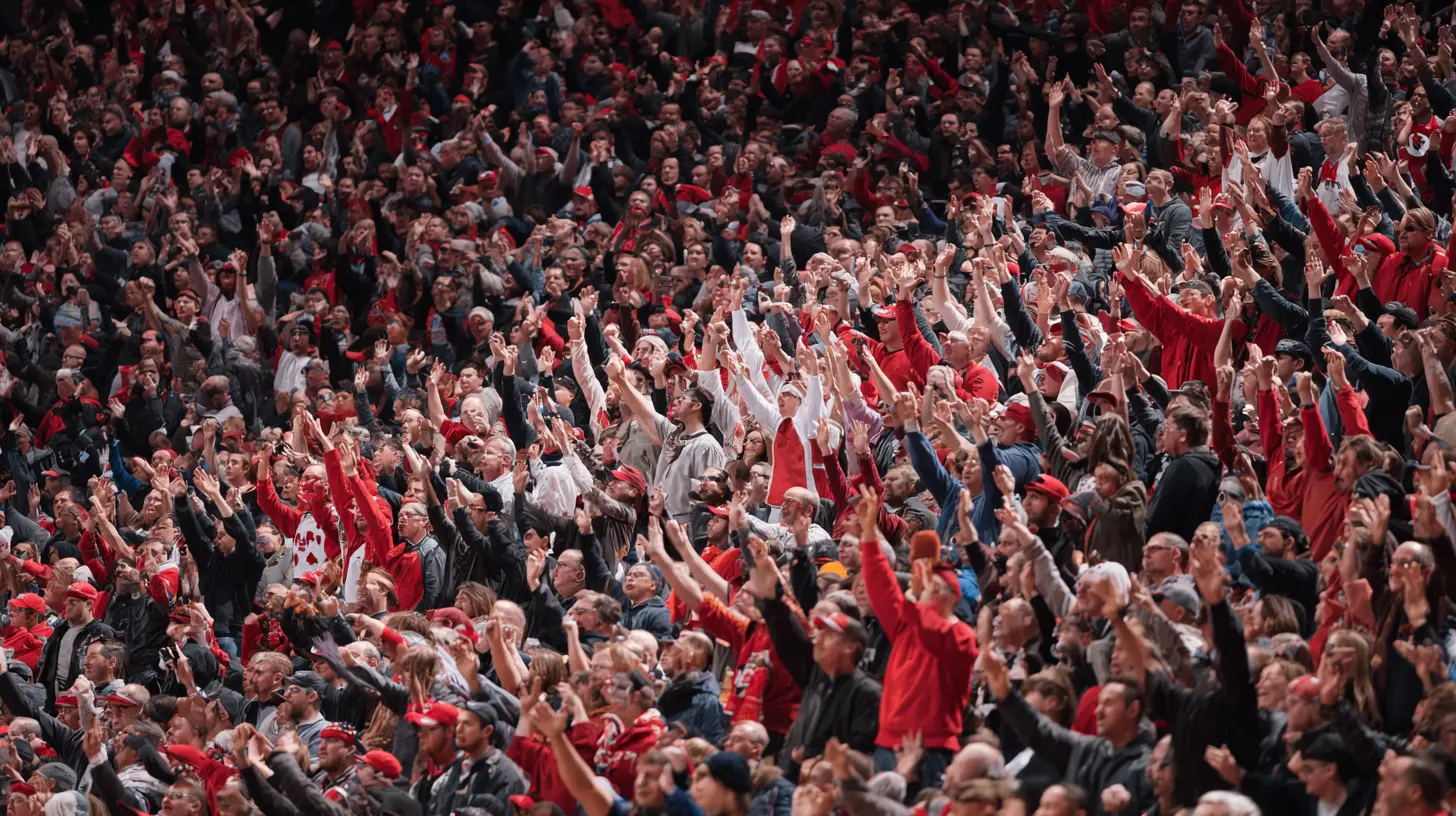
Fans are not a monolithic entity. Organized fan sections, like the "Black Hole" in Oakland or the "Rams House" in Los Angeles, enhance the atmosphere through coordinated cheers, chants, and rituals. These groups can amplify the home-field advantage significantly.When fans engage in synchronized support, it creates a sense of unity that can intimidate the opposition. The collective energy can shift momentum during pivotal moments, such as a crucial fourth down or a game-winning shot.
Fan Behavior and Its Impact
However, not all fan behavior is beneficial. Overzealous fans may inadvertently distract their own team or disrupt the flow of the game. Misguided boos can affect player morale, while excessive noise can lead to confusion on the field.For instance, during a tight NFL playoff game, fans might be so loud during a crucial moment that they drown out the quarterback's audible signals. This can lead to miscommunication and costly penalties. Thus, while fan sections can energize a team, they must also maintain a level of awareness for optimal impact.
Real-World Examples of Fan Influence
College Football's Passionate Fandom
In college football, the impact of fan sections is vividly illustrated. The atmosphere at venues like The Swamp in Florida or Beaver Stadium in Penn State is notorious for its intensity. Student sections often play a pivotal role in creating an environment that can rattle even the most seasoned opponents.In the 2018 season, the University of Michigan faced Wisconsin at home. The Michigan student section was charged with a palpable energy that seemed to rattle the Wisconsin players. The Wolverines won decisively, showcasing how a vibrant fan section can directly influence the outcome of a game.
The NBA's Electric Atmosphere
The NBA also provides compelling examples of fan influence. During the playoffs, arenas become cauldrons of energy. The Toronto Raptors experienced this first-hand during their championship run in 2019. The "We The North" movement represented not just a team but a city and a nation rallying behind them. The atmosphere during home games was electric, and players like Kawhi Leonard thrived under the intense fan support.The Trade-Off of Overzealous Passion
Yet, it is important to recognize that not every fan section positively contributes to their team's success. In 2022, during a critical playoff game, the Memphis Grizzlies' fans became overly aggressive, leading to a series of technical fouls called against their team. The tension created by the crowd's enthusiasm backfired, illustrating how a fine balance must be maintained.
Strategies for Harnessing Fan Energy
Building a Positive Atmosphere
Teams can actively work to cultivate a positive fan atmosphere that enhances performance. This involves not just engaging the core fan base but also creating an inviting environment for newcomers. Initiatives like fan appreciation events, interactive social media campaigns, and community outreach can foster goodwill.Controlled Chaos: The Role of Noise
Coaches and players can also prepare for the unique challenges posed by fan sections. Practicing with crowd noise can help players focus and perform under pressure. Simulating the intensity of a live game environment can help reduce anxiety and improve execution during crucial moments.Engaging the Fan Base
Creating rituals or traditions that fans can rally around can also strengthen the connection between players and supporters. For example, the "Tomahawk Chop" in Atlanta has become a staple during Braves games, creating a unifying moment that energizes both players and fans.Misconceptions and Common Mistakes
Overestimating Fan Impact
One common misconception is that fan support alone can guarantee victory. While passionate supporters can provide a boost, they are not a substitute for talent and execution. Teams must maintain a balance between relying on crowd energy and focusing on their play.Ignoring the Opposition
Another mistake is underestimating the psychological impact on opposing teams. Coaches often overlook the fact that visiting teams can be motivated to perform in front of a hostile crowd. Acknowledging this factor can help teams better prepare for the challenges of playing at home.
Conclusion: The Fine Line of Influence
The interplay between fan sections and game outcomes is complex. While passionate fans can indeed shift the momentum and energize players, there is a fine line between beneficial support and detrimental pressure. Understanding this delicate balance is crucial for teams looking to maximize their home-field advantage.As we continue to dissect the impact of fan engagement, it becomes clear that well-organized, positive fan sections can indeed shift the outcome of close games. However, teams must also be strategic in managing both their own players' mental states and the atmosphere created by their supporters.
By fostering an environment that amplifies the best aspects of fan engagement while mitigating potential downsides, teams can harness the power of their loyal supporters to tip the scales in their favor when it matters most.
all images in this post were generated using AI tools
Category:
Crowd InfluenceAuthor:

Ruben McCloud