Lessons in Sportsmanship From the Greatest Athletes of All Time
20 July 2026
When we think about legendary athletes, we usually picture jaw-dropping plays, record-breaking stats, and trophy-filled cabinets. But here’s the thing — greatness isn’t just about winning. It’s about how you win (or lose). That’s where sportsmanship comes in, and some of the greatest athletes of all time have been walking masterclasses in it.
Let’s break down what makes an athlete not just great at their game but admirable in character — and how sportsmanship plays a huge role in that. Trust me, these lessons aren’t just for the field or court. They’ve got life written all over them.
What Is Sportsmanship, Really?
Before we jump into the stories of legends, let’s set the stage. Sportsmanship is the glue that holds competitive sports together. It’s about respect — for the game, your opponents, your team, and yes, even the referees (even when they mess up).Think of it like this: You can hit the game-winning shot, but if you act like a jerk right after, the glow of that moment fades fast. Sportsmanship is about grace in both victory and defeat. It’s what separates champions from sore winners or losers.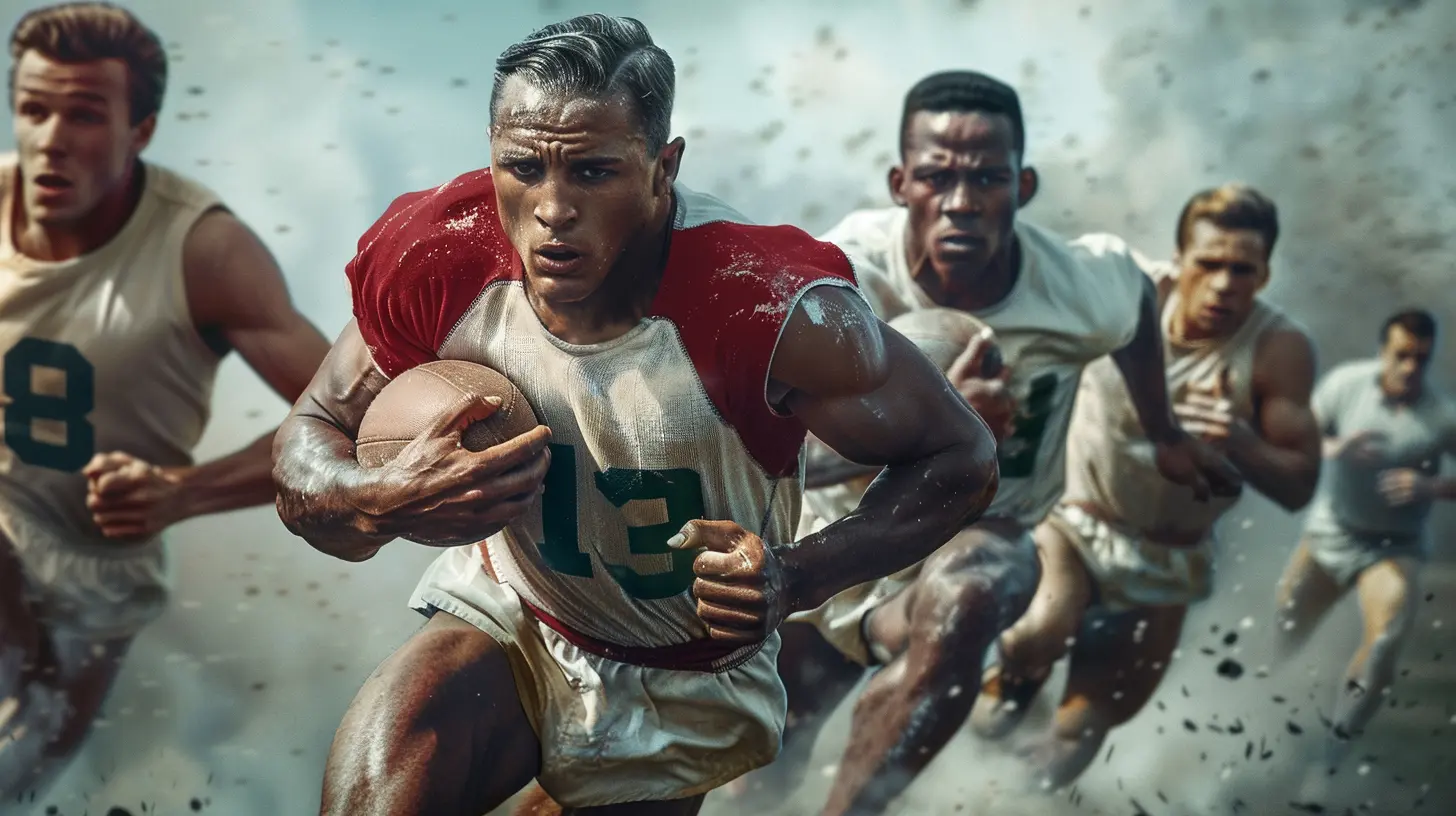
Why Sportsmanship Matters More Than Ever
In today’s ultra-competitive, social media-fueled world, sportsmanship can sometimes feel like a lost art. Trash-talking, bad-mouthing, and dramatic tantrums go viral in seconds. But the athletes who stand the test of time? They lead with respect, humility, and class.Let’s look at how some of the greatest ever walked the walk when it came to sportsmanship and the lessons we can all take away.
1. Muhammad Ali – Confidence Without Contempt
We all remember Ali as “The Greatest” — and he definitely let you know it. But behind the swagger was someone who actually respected his opponents. Even when his words were sharp, he never crossed the line into cruelty.Lesson: Be confident, but never at the expense of others
Ali knew the game, knew his worth, but he also understood the mental aspect of sports. He used words as strategy, not as weapons to destroy someone’s dignity. And after a fight? He often hugged his opponents, showing mutual respect.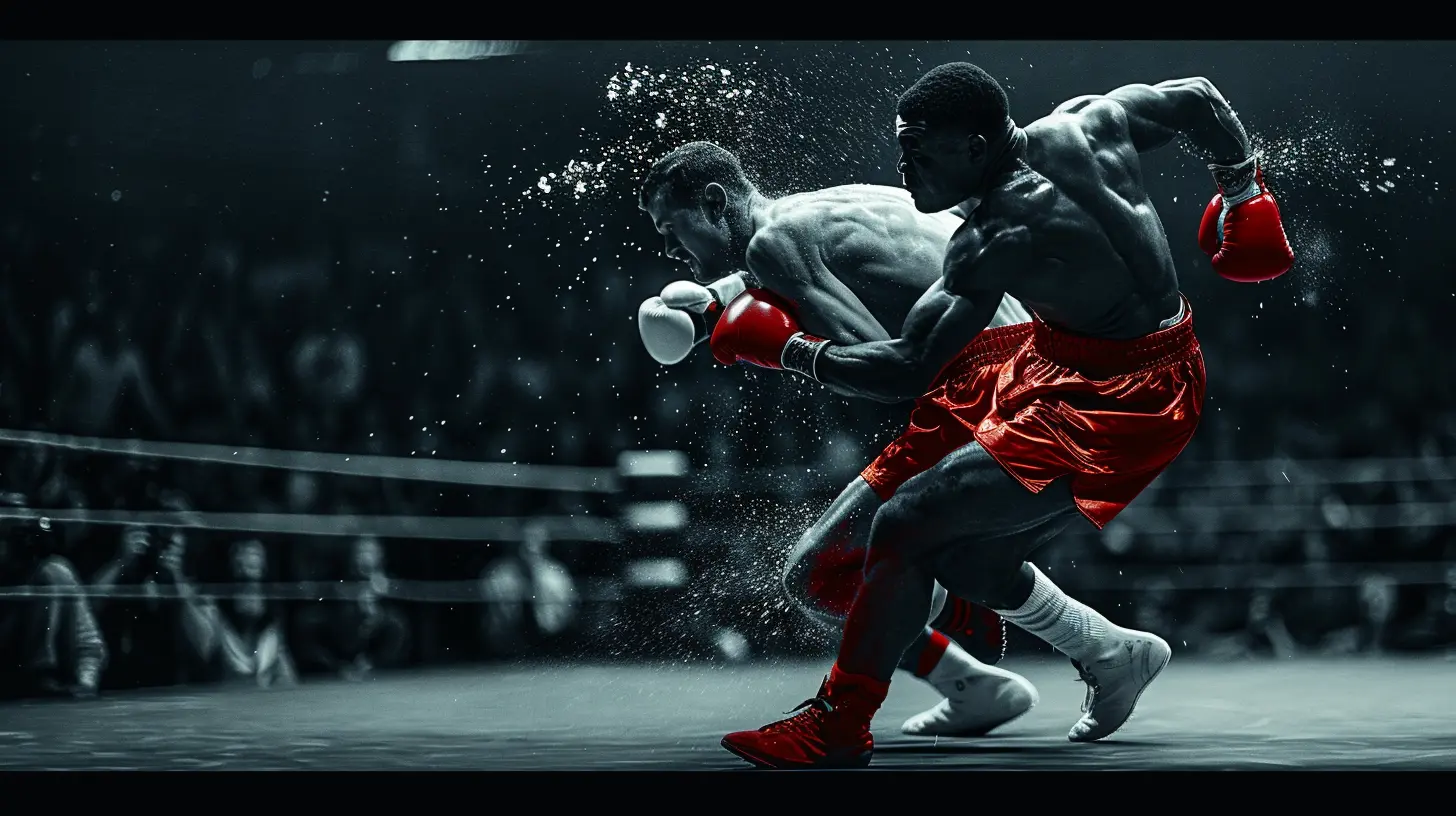
2. Roger Federer – The Gentleman of Tennis
If you’ve ever watched Federer play, you know what elegance looks like in motion. But it’s not just how he plays — it’s how he treats everyone: competitors, ball kids, fans, even line judges.Lesson: Kindness doesn’t make you weak — it makes you unforgettable
Despite intense rivalries (think Nadal or Djokovic), Federer never let competition cloud his character. Even in tough losses, he kept his composure and gave credit where it was due. That’s real class.3. Jackie Robinson – Grace Under Pressure
Being the first Black player in Major League Baseball’s modern era, Jackie Robinson had every reason to lash out. Instead, he chose dignity. He faced death threats, racist slurs, and constant discrimination — yet he never retaliated in anger.Lesson: True strength is staying grounded in chaos
Robinson’s courage wasn’t just physical — it was moral. He showed that sportsmanship isn’t just about how you treat opponents, but how you handle injustice with integrity.4. Lionel Messi – Let Your Feet Talk
It’s easy to get lost in Messi’s highlight reels, but his attitude is just as inspiring. He’s humble, avoids drama, and barely celebrates when he scores. He just gets back to work.Lesson: Fame doesn’t have to go to your head
In a sport full of egos, Messi is the quiet storm. He doesn’t dive, whine, or showboat — he just plays. That humility has earned him fans even from rival fanbases. A rare feat in today’s sports world.5. Michael Jordan – Respect the Competition
Yes, MJ had a killer instinct. Yes, he talked trash. But he also respected the process and the people in it. He trained harder than anyone and never expected shortcuts. And after winning, he didn’t let it get to his head.Lesson: Respect the grind — and those grinding with you
Remember when Jordan won his final title in '98? He embraced almost every player and coach — including his rivals. He understood the value of competition and showed appreciation for those who pushed him to be legendary.6. Serena Williams – Passion Meets Poise
Serena’s career has been filled with both triumph and controversy. But through it all, she’s shown growth, accountability, and, most importantly, respect for her sport and her peers.Lesson: Own your mistakes, and bounce back better
She’s had her moments of letting emotions fly — haven’t we all? But Serena apologized when needed and grew from it. That’s the mark of someone who takes both winning and character seriously.7. Tom Brady – Celebrate Your Rivals
Love him or hate him, Brady is a competitor. But even after some of the biggest wins (or losses) of his career, he always found time to shake hands, compliment his adversaries, and share genuine respect.Lesson: Winning is great — but how you win is everything
When Brady lost to Eli Manning twice in the Super Bowl, he didn’t sulk or disappear. He stood tall, owned it, and gave credit. That’s championship behavior, win or lose.8. Usain Bolt – Confidence with a Smile
Bolt danced at the starting blocks, struck poses at the finish line, and gave us a show every single time. But he never crossed into arrogance or disrespect.Lesson: You can be confident and still be loved
Bolt had fun, and his joy was contagious. He lifted up the sport of track & field with every race — and cheered for others, even when they were chasing his records. That’s the spirit of true sportsmanship.9. Derek Jeter – The Quiet Leader
Jeter was never the loudest voice in the room, but everyone listened. Why? Because he led by example. He respected his opponents, never showboated, and lived like a true representative of the game.Lesson: Speak louder with actions than with words
In an era of bat flips and viral moments, Jeter stayed cool, consistent, and classy. His leadership was subtle but powerful — and it earned him the respect of teammates and opponents alike.10. Pele – Spreading Love Through the Game
One of football’s first true global icons, Pele always saw the sport as bigger than himself. He used it to bring people together, and his joy on the pitch was infectious.Lesson: Let your love for the game guide your actions
He never taunted, never disrespected, and always found time after matches to embrace other players. His legacy is not just stats — it’s inspiration.How You Can Apply These Lessons Off the Field
Sportsmanship isn’t just for elite athletes — we can all practice it in our daily lives.- Compete fairly (even if it’s just board games)
- Respect everyone — not just the winners
- Lose with grace and win with humility
- Be accountable when you mess up
- Lift others up, even when you’re ahead
Crazy how lessons from a football field or tennis court can shape how we show up at work, in schools, and in relationships, right?
Final Whistle Thoughts
The greatest athletes in history didn’t just change the game — they changed how we view excellence. Sure, talent paved the way, but sportsmanship sealed the legacy. And that’s something worth cheering for.So next time you’re watching a game or playing in one, remember this: Being a good sport doesn’t mean being soft. It means being strong enough to respect others while giving your best. In the end, it’s not the medals, trophies, or highlight reels that matter most — it’s how you carried yourself on the journey.
all images in this post were generated using AI tools
Category:
SportsmanshipAuthor:

Ruben McCloud
Discussion
rate this article
1 comments
Zayden McDonough
Great athletes teach us more than just skills; they embody the spirit of sportsmanship. Their dedication, respect for opponents, and humility set an example for all. Let's carry these lessons off the field, inspiring integrity and camaraderie in our own lives and communities. True greatness goes beyond winning.
July 23, 2026 at 2:37 AM
Ruben McCloud
Absolutely. The essence of sportsmanship is about character, not just competition. These lessons resonate far beyond the game.