Sportsmanship and Mental Toughness: A Winning Combination
14 June 2026
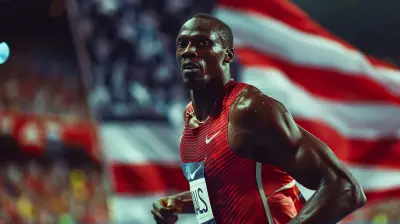
When we think about winning in sports, it's easy to imagine podiums, trophies, or the roar of a cheering crowd. But there's an invisible force at play—something that doesn't show up on the stat sheets. It’s what separates good athletes from truly great ones. Ready for it? It’s the powerful combo of sportsmanship and mental toughness.
Whether you're a young athlete just starting out, a seasoned pro, or someone who's just passionate about sports, understanding and nurturing these two traits can help you rise above the rest—not only in the game but also in life. So let’s break it down and dive into how this dynamic duo can be your secret weapon.
What Is Sportsmanship, Really?
Let’s cut through the clichés for a second. Sportsmanship isn’t just about shaking hands after a match or saying "good game" with a smile. Sure, those things matter, but sportsmanship runs much deeper than surface-level niceties.It’s About Respect—Period.
Respect for the game. Respect for the opponent. Respect for yourself, your teammates, the refs, and even the fans. True sportsmanship shows in how you carry yourself when you're winning by 30 or losing badly. It's the ability to rise above ego and play the game the right way.The Quiet Power of Grace
Have you ever seen an athlete lose with grace? They don't throw tantrums, blame others, or storm off the field. Instead, they own their performance, learn from it, and keep their head high. That—right there—is high-level sportsmanship, and it resonates louder than a buzzer-beater shot.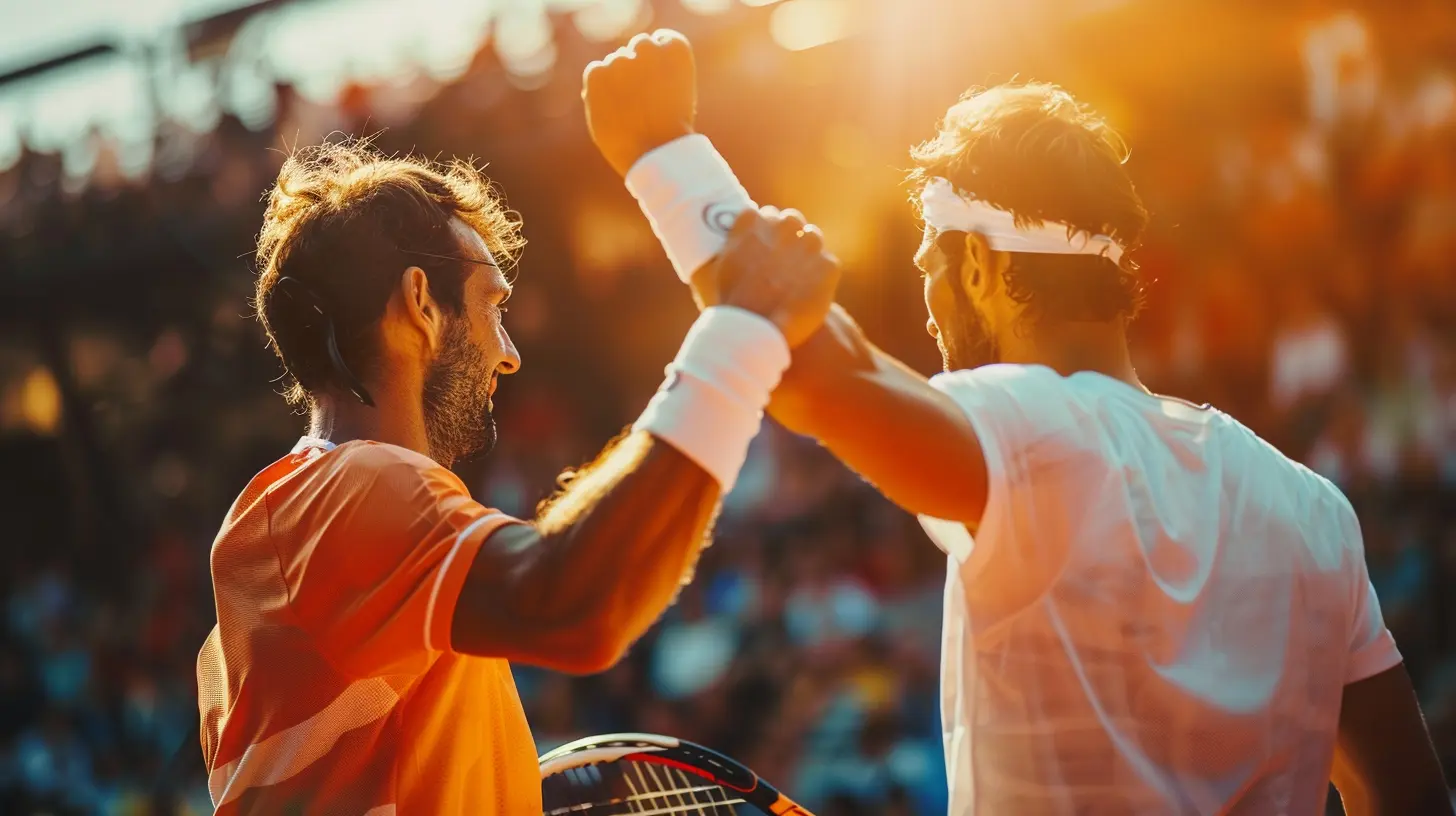
Enter Mental Toughness: The Game-Changer
Now let’s talk about the cousin of sportsmanship—mental toughness. Picture this: it's the final seconds of a tied game, and you're standing at the free-throw line. The whole gym is watching. Your heart’s racing. Can you stay cool under pressure?That’s mental toughness in action.
It’s Not About Being Cold as Ice
Mental toughness doesn’t mean being emotionless or robotic. It’s about embracing the nerves, the pressure, and still performing with clarity and confidence. Think of it as emotional resilience—your ability to bounce back, stay focused, and keep grinding when things get tough.Confidence Without Arrogance
Mental toughness helps you believe in your abilities, even when the odds are stacked against you. But it also keeps your ego in check. It’s knowing you’re good—but also knowing there’s always room to grow. It's that quiet inner fire that says, "Bring it on."
Why These Two Go Hand in Hand
You might be wondering—how exactly do sportsmanship and mental toughness work together?They’re Two Sides of the Same Coin
Sportsmanship helps you stay grounded, humble, and respectful. Mental toughness propels you forward when the going gets rough. Together, they're like the perfect offense and defense duo. One keeps your spirit in check; the other keeps your mind sharp.Handling Adversity Like a Pro
Ever had a ref make a bad call? Or a teammate drop the ball at a crucial moment? Your gut reaction might be frustration or anger. But mental toughness steps in and says, “Focus.” Sportsmanship quietly reminds you to respond with integrity. That blend allows you to stay level-headed and lead by example.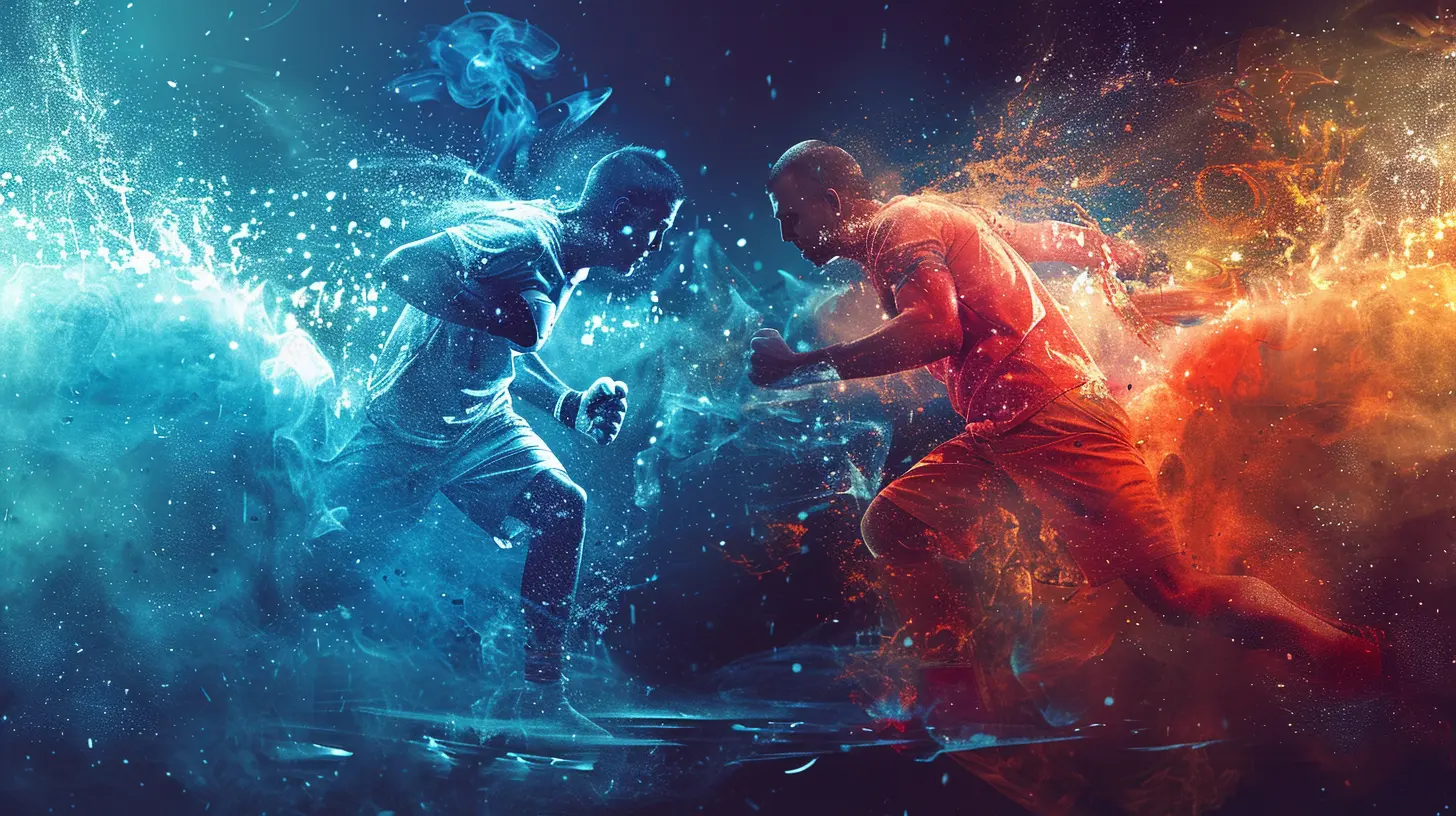
Real-Life Examples: When It All Comes Together
Let’s look at some real situations where sportsmanship and mental toughness collided in the best way possible.1. Serena Williams – Grace in Defeat and Victory
Love her or hate her, Serena Williams has shown both mental steel and classy sportsmanship throughout her career. Whether she’s dominating a match or losing in an epic battle, she never loses her composure for long. Her mental toughness is legendary, yet she knows how to respect her opponents.2. Derek Jeter – The Captain for a Reason
Jeter wasn’t just the face of the Yankees—he was the embodiment of sportsmanship and focus. He didn’t trash talk. He didn’t lose his cool. He led with character, even in high-stakes playoff games. Always clutch, always composed.3. Naomi Osaka – Champion With Compassion
Osaka’s mental strength on the court is incredible, but her off-court sportsmanship is even more inspiring. Her support for fellow players, her honesty about mental health, and her respectful attitude show how being mentally tough doesn’t mean hiding your humanity.How to Develop Mental Toughness and Sportsmanship
Good news: These traits aren’t reserved for the elite. They can be learned, practiced, and ingrained into your game.1. Embrace the Grind
Mental toughness starts with the day-to-day hustle. Show up. Be consistent. Push yourself when you feel like giving up. Every practice is a chance to train your mind, not just your muscles.2. Learn from Losses
Losing sucks. There’s no sugar-coating it. But each loss can be a lesson if you choose to see it that way. Instead of blaming or spiraling, ask: “What can I do better next time?”3. Control the Controllables
You can’t control the ref. Or the crowd. Or your opponent’s lucky bounce. But you can control your attitude, effort, and composure. That’s where real strength lies.4. Celebrate Others’ Success
This one’s tough, especially in competitive environments. But cheering for a teammate—even when you didn’t get the glory—shows emotional maturity and class. That’s sportsmanship in its purest form.5. Talk to Yourself, Not Just Others
Sounds weird, right? But self-talk is powerful. Replace doubt with belief. Instead of “I’m not good enough,” say “I’ve prepared for this.” Your inner dialogue can make or break your mental game.Coaches and Parents: Your Role is Massive
If you're reading this as a coach or a parent, know this—you're shaping more than athletes. You're influencing future leaders, teammates, and people. Encourage growth, not just wins.Lead by Example
Kids and young athletes mimic what they see. Show calmness under pressure. Applaud effort over outcome. Be the example of maturity and strength.Focus on "How" More Than "What"
Sure, scoring the winning goal is exciting. But how your athlete behaved after the win? That’s what matters more long-term. Praise attitude, effort, and respect—those are the attributes that build character.Why It All Matters Off the Field Too
Here’s where it gets even better. The habits, skills, and qualities you build while practicing sportsmanship and mental toughness don’t just stay in the arena.Job Interviews, Relationships, Life’s Curveballs
When life throws you challenges (and it will), being able to stay calm, adapt, and treat others well will set you apart. Whether you're in a boardroom or facing personal setbacks, that inner resolve and grace are your aces in the hole.Building True Confidence
Real confidence doesn’t come just from winning. It comes from knowing you can handle anything. When you blend sportsmanship with mental toughness, you become someone others respect, trust, and want to follow.Final Thoughts: Elevate Your Game—Inside and Out
Winning isn't just about what’s on the scoreboard. It's about how you play, how you treat people, and how you handle both triumph and failure. Sportsmanship and mental toughness are your foundation—not just for athletic success, but for living a bold, resilient, and respectful life.So the next time you're out there competing, remember: Skill wins games, but character wins hearts. And the athletes who master both? They don’t just win—they inspire.
Are you ready to be one of them?
all images in this post were generated using AI tools
Category:
SportsmanshipAuthor:

Ruben McCloud
Discussion
rate this article
1 comments
Kai McKinney
The article effectively explores how sportsmanship and mental toughness complement each other in achieving athletic success. It highlights that true competitors not only strive for victory but also uphold respect for opponents. This dual focus fosters resilience and integrity, essential qualities that elevate both individual athletes and team dynamics.
June 18, 2026 at 11:14 AM
Ruben McCloud
Thank you for your thoughtful comment. I'm glad you found the connection between sportsmanship and mental toughness impactful. These qualities truly are vital for success in sports.