Sportsmanship in Youth Sports: Lessons for Life
12 May 2026
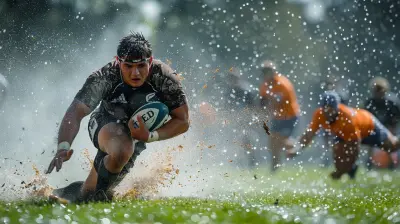
Sportsmanship is more than just a nice word; it's the backbone of youth sports. If you've ever been to a kids' soccer game or a little league baseball match, you know that winning feels great—but playing the right way matters even more. It’s about respect, integrity, and teamwork.
But let’s be real—kids don’t always learn these values on their own. Coaches, parents, and even fellow teammates play a massive role in shaping young athletes. What they learn on the field doesn’t just help them win games; it shapes who they become in life.
So, why is sportsmanship such a big deal, and how can it impact kids beyond the scoreboard? Let’s break it down.
What Is Sportsmanship?
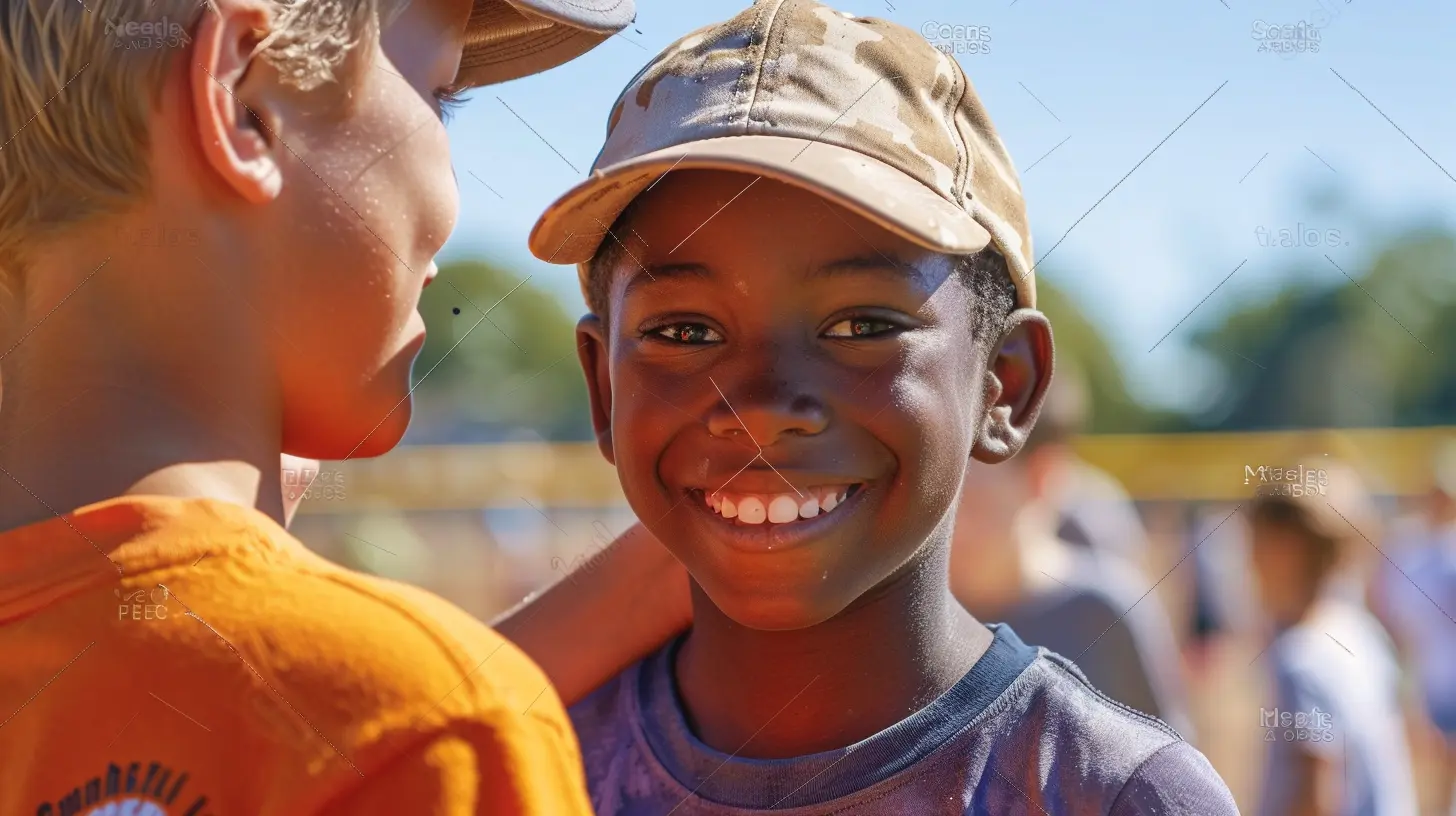
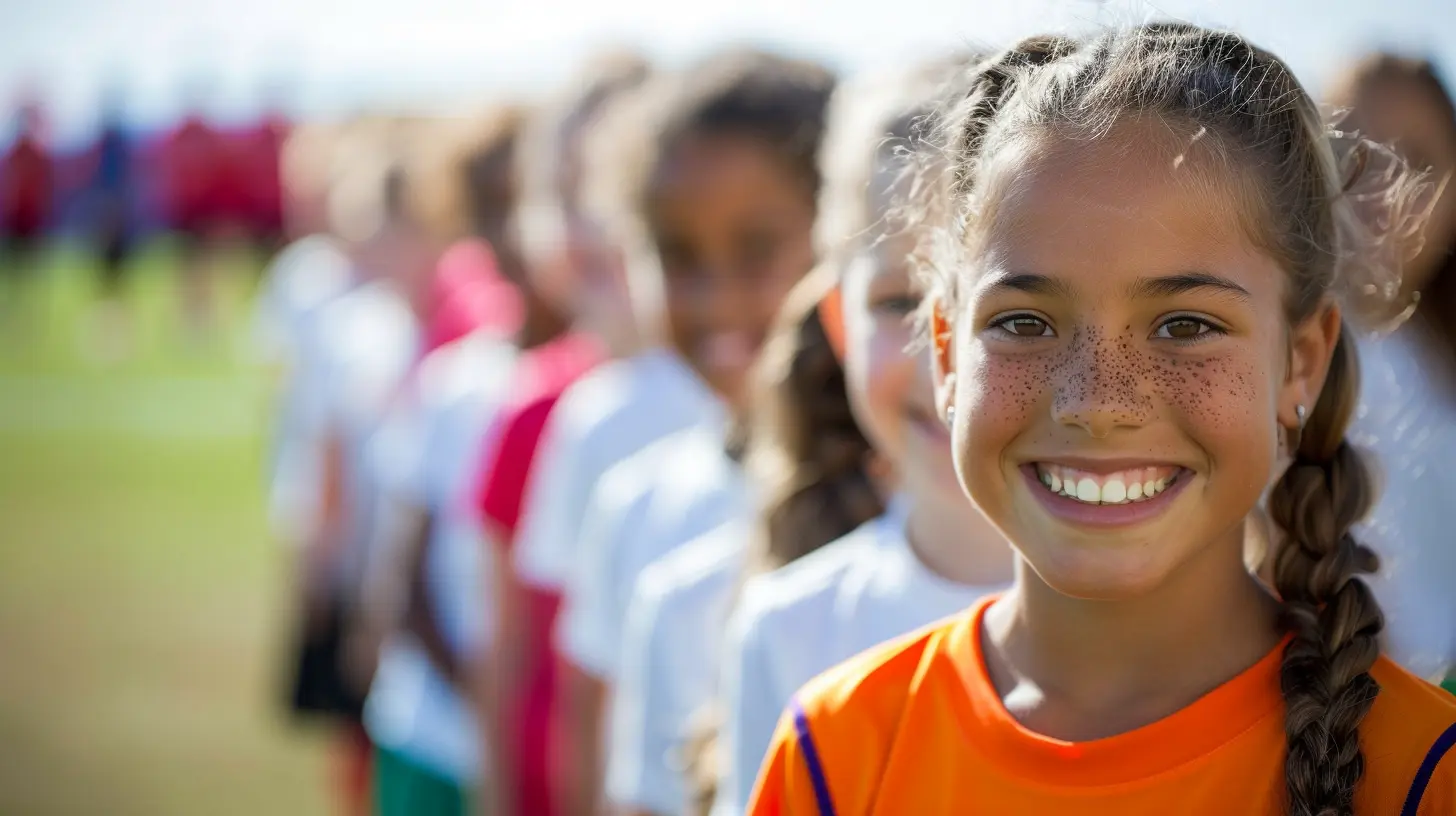
At its core, sportsmanship is about respect—respect for the game, the rules, the officials, the opponents, and teammates. It’s about handling both victory and defeat with grace, treating others with fairness, and always giving your best effort.It’s easy to show good sportsmanship when you're winning, right? But what about when the referee makes a bad call or when a teammate messes up a play? That’s when true character is tested.
Why Sportsmanship Matters in Youth Sports
Teaching kids good sportsmanship isn’t just about making them better athletes—it’s about making them better individuals. Here’s why it matters:1. Builds Strong Character
Sportsmanship teaches kids to be honest, respectful, and humble. These traits don’t just help in sports; they stick with them for life. Whether it’s in school, at work, or in relationships, character makes all the difference.2. Teaches Respect for Others
When kids learn to respect referees, opponents, and teammates, they carry that same attitude outside of sports. They understand that everyone has a role to play, and respecting others isn’t optional—it’s essential.3. Develops Emotional Resilience
Losing is tough, but setbacks are part of life. Good sportsmanship helps kids handle disappointment without throwing tantrums or blaming others. They learn that failure isn’t the end—it’s a lesson.4. Encourages Teamwork and Communication
In sports, just like in life, nobody succeeds alone. Sportsmanship teaches kids to support teammates, share responsibilities, and listen to others. These skills translate into school projects, work environments, and even friendships.5. Promotes a Positive Attitude
A bad call or a tough loss can be frustrating, but how a child reacts shapes their mindset. Kids who embrace sportsmanship focus on effort over outcome and foster a positive outlook—not just in sports, but in everything they do.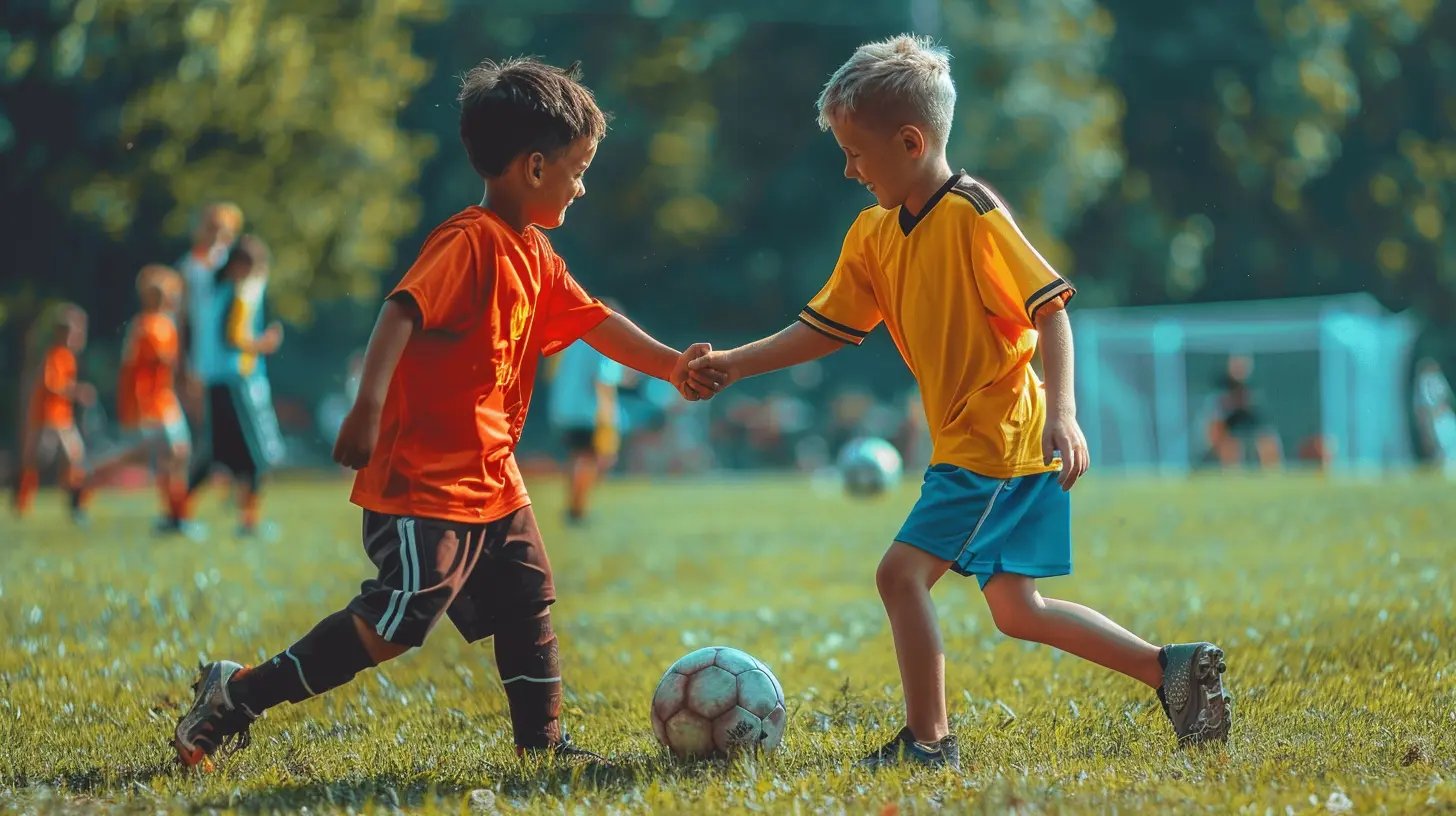
The Role of Coaches and Parents in Teaching Sportsmanship
Kids don’t pick up sportsmanship on their own—it's modeled by the adults around them. Coaches and parents play a massive role in shaping young athletes' attitudes.Coaches Set the Tone
A coach isn’t just there to draw up plays; they’re mentors. A coach who emphasizes respect and fair play teaches players that winning at all costs isn’t the goal—winning the right way is.- Encourage good behavior over just winning.
- Teach players to shake hands after a game, no matter the result.
- Call out poor sportsmanship and praise acts of fairness.
Parents Are the Biggest Influencers
Kids imitate what they see. If a parent yells at referees or criticizes other players, their child will think that’s acceptable behavior. On the flip side, if parents celebrate effort and fair play, their kids are more likely to do the same.- Applaud both teams’ efforts, not just your child’s.
- Avoid arguing with referees or coaches in front of kids.
- Emphasize personal growth over just winning.
Lessons From Sportsmanship That Apply to Everyday Life
While sportsmanship is critical on the field, its impact goes far beyond the game. Here are some life lessons kids take with them long after they hang up their jerseys.1. Handling Success and Failure Gracefully
Life is full of ups and downs. A kid who learns to win with humility and lose with dignity will carry that attitude into school, work, and relationships.2. Respecting Authority
Whether it’s a referee, a teacher, or a boss, learning to respect authority figures is essential. Sports instill this lesson early, teaching kids that rules—and the people enforcing them—matter.3. Working Well With Others
Collaboration is an essential life skill. Just like in sports, life requires teamwork—whether in group projects, workplace teams, or family dynamics.4. Taking Responsibility for Actions
Blaming others for mistakes doesn’t get you anywhere. In sports, accountability is key. Athletes who accept responsibility for their actions develop integrity and maturity.5. Managing Pressure and Stress
High-pressure moments in sports prepare kids for real-world challenges. Whether it's a big test, a job interview, or a tight deadline, staying composed under stress is a skill learned through competition.Challenges to Good Sportsmanship in Youth Sports
Teaching sportsmanship isn’t always easy. There are plenty of roadblocks, but understanding them helps parents and coaches address the issues head-on.1. Overemphasis on Winning
Too much focus on winning can overshadow the importance of fair play. When kids feel like winning is all that matters, they may resort to bad behavior just to come out on top.2. Poor Parental Behavior
Parents who argue with referees, belittle other players, or push their kids too hard set a bad example. If kids see poor sportsmanship from adults, they’re likely to mimic it.3. Unfair Play and Cheating
Some kids (and even coaches) bend the rules just to win. This not only affects the game but also teaches kids that dishonesty is acceptable.4. Negative Peer Influence
Sometimes, teammates encourage bad behavior—taunting opponents, ignoring referees, or disrespecting others. Peer pressure can make it harder for kids to stick to good sportsmanship.
How to Promote Sportsmanship in Youth Sports
So, how do we make sure kids learn the right lessons from the game? Here are some ways to reinforce good sportsmanship:Lead by Example
Kids learn by watching. Parents, coaches, and even older athletes need to model respect, fairness, and integrity.Praise Effort, Not Just Winning
Winning is exciting, but effort and improvement should be celebrated just as much. This helps kids value personal growth over just the scoreboard.Encourage Respect and Fair Play
Make respect a non-negotiable. Teach kids to shake hands, accept defeat gracefully, and support their teammates.Address Poor Sportsmanship Immediately
If a child is behaving inappropriately—arguing, disrespecting teammates, or playing dirty—correct it early. Let them know bad behavior won’t be tolerated.Teach the Bigger Picture
Remind kids that sports are about more than just the game. The lessons they learn from sportsmanship—respect, resilience, teamwork—will help them throughout life.Final Thoughts
Youth sports provide the perfect training ground for life lessons, and sportsmanship is one of the most important. It’s not just about how kids play the game—it’s about the kind of people they become.When kids learn to respect others, handle wins and losses with grace, and work as a team, they’re not just preparing for the next big game—they’re preparing for life itself.
And at the end of the day, isn’t that the ultimate goal?
all images in this post were generated using AI tools
Category:
SportsmanshipAuthor:

Ruben McCloud
Discussion
rate this article
1 comments
Greyson Nelson
Great article! Emphasizing sportsmanship in youth sports teaches invaluable lessons that extend far beyond the field, shaping character and future leaders in our communities.
May 12, 2026 at 4:18 AM
Ruben McCloud
Thank you! I'm glad you found it insightful. Sportsmanship truly shapes character and prepares our youth for life beyond the game.