The Future of Home Field Advantage in 2026
26 April 2026
You know that electric feeling when you walk into a stadium and the roar of 70,000 fans hits you like a wall of sound? That primal, almost sacred energy that makes the home team play a little taller, run a little faster, and fight a little harder? Well, grab your popcorn, because by 2026, that ancient magic is about to get a serious upgrade—or maybe a complete rewrite. We’re standing at the crossroads of tradition and technology, and the question isn’t just if home field advantage will survive, but how it will evolve into something we’ve never seen before. Let’s dive into the rabbit hole.
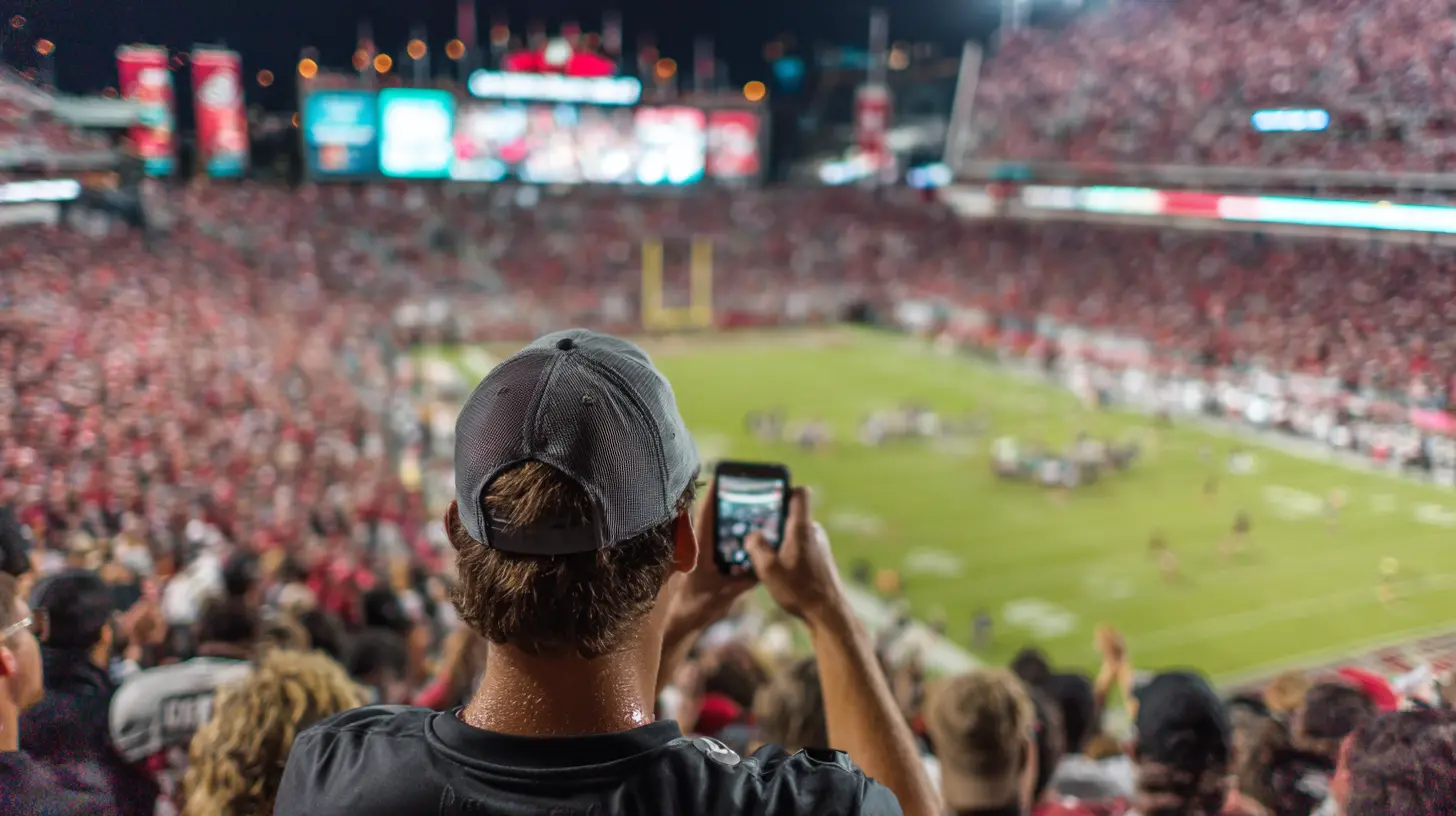
The Cracks in the Fortress: Why Home Field Advantage Is Already Shifting
Let’s be real for a second—home field advantage isn’t what it used to be. Remember when teams like the Seattle Seahawks were virtually unbeatable at CenturyLink Field? The “12th Man” wasn’t just a nickname; it was a weapon. But data from the last few seasons shows a slow, steady erosion. In the NFL, home teams won roughly 57% of games in the 2010s, but that number has dipped closer to 52% recently. What gives?Part of it is the democratization of information. Players today are hyper-prepared. They study crowd noise simulations in practice, wear noise-canceling earpieces during plays, and use silent counts that would make a ninja proud. The mystique of a hostile environment? It’s been reverse-engineered. Then there’s the travel factor—private jets, cryotherapy chambers, and sleep specialists mean visiting teams are no longer showing up jet-lagged and groggy. They’re fresh. They’re ready. They’re annoyingly prepared.
But here’s the kicker: the biggest crack in the fortress might be the fans themselves. With ticket prices skyrocketing and the rise of “corporate seat-fillers,” stadiums are losing that raw, blue-collar intensity. You’ve got more people checking their fantasy lineups than screaming their lungs out. Sound familiar? It’s like inviting a ghost to a party—you know it’s there, but it doesn’t bring the energy.

The Tech Takeover: How AI and Data Are Redefining "Home"
Now, let’s talk about the elephant in the room—or should I say, the algorithm in the control room. By 2026, artificial intelligence won’t just be analyzing game tape; it will be manipulating the very fabric of home field advantage. Imagine a stadium where the crowd noise is dynamically adjusted by an AI that reads the game in real-time. Your team is on a critical third down? The PA system subtly boosts the decibel level in the visitor’s sideline zone. A quarterback is trying to audible? The speakers in that specific section emit a frequency that messes with his cadence. Creepy? Maybe. Effective? Absolutely.We’re also looking at “smart stadiums” that use biometric data to enhance the home experience. Sensors in the seats monitor heart rates and cheering intensity. When the crowd’s energy dips, the stadium’s lighting shifts to a pulsating red, or the in-game prompts trigger a coordinated wave of noise. It’s not just a game anymore; it’s a performance where the fans are both the audience and the instrument.
But here’s the twist: the visitors will have their own counter-tech. By 2026, expect to see visiting teams rolling into stadiums with portable “silent communication” systems—think bone-conduction headsets and haptic feedback vests that let coaches send plays without a single word. The arms race is real. One team builds a louder stadium; the other builds a quieter helmet.
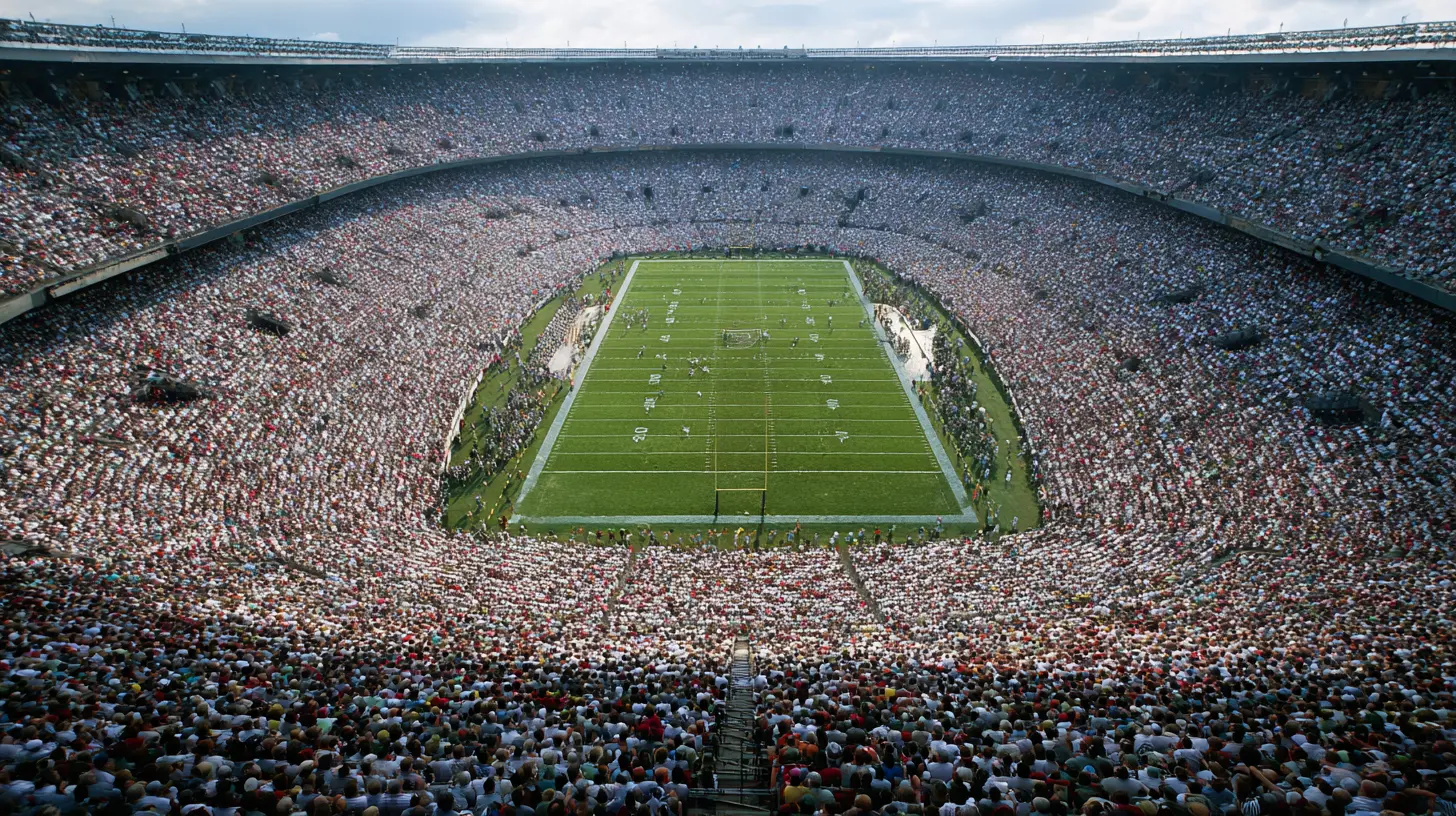
The Fan Factor: From Passive Watcher to Active Participant
Let’s pause and ask ourselves a question: what does it even mean to be a “home fan” in 2026? The lines are blurring faster than a fastball. With the explosion of streaming and virtual reality, you’ve got fans watching from Tokyo, Berlin, and São Paulo. They’re not in the stadium, but they’re there—digitally. Some leagues are already experimenting with “virtual home crowds” where remote fans can sync their cheers, boos, and even their avatars onto giant screens inside the arena.Picture this: You’re sitting in your living room in Ohio, wearing a VR headset. Your avatar is projected onto a massive holographic wall inside the stadium in Los Angeles. When your team scores, you jump up, and the stadium’s AI registers your motion, sending a ripple of light through the crowd. The visiting team sees a sea of digital faces screaming at them. Is that home field advantage? You bet your last dollar it is.
But here’s the dark side—what happens when the home crowd’s energy can be hacked? Imagine a rival fan base flooding the virtual section with coordinated silence during a critical play. Or a bot army that drowns out the real fans with pre-recorded chants. By 2026, we might need “cybersecurity for fan engagement” just as much as we need encryption for game plans. It’s a brave new world, and it’s messy.

The Climate Factor: Weather as a Weapon (and a Liability)
Now, let’s get elemental. Weather has always been the ultimate home field advantage. The Green Bay Packers in a snowstorm? The Miami Dolphins in 90-degree humidity? That’s not just a game; it’s a trial by nature. But climate change is rewriting the rulebook. By 2026, extreme weather events are becoming more frequent and unpredictable. A home team in Buffalo might love a blizzard, but what happens when that blizzard turns into a dangerous ice storm that forces a game to be moved? Suddenly, the advantage evaporates.Some teams are already investing in retractable roofs and climate-controlled fields. But here’s the irony: the more you control the environment, the less you can weaponize it. The rawness of a frozen field or a rain-soaked turf is disappearing. We’re turning stadiums into sterile domes, and with that, we’re losing a piece of the soul of home field advantage.
Then there’s the altitude factor. Teams in Denver or Mexico City have long used thin air to gas out visitors. But with new oxygen-supplementation technology and altitude-training chambers, visiting teams can now simulate those conditions weeks in advance. By 2026, the mile-high mystique might be just a historical footnote. The body adapts. The advantage fades.
The Psychological Warfare: Mind Games on Steroids
Let’s get into the headspace—literally. The future of home field advantage isn’t just about noise or weather; it’s about manipulating the opponent’s brain at a neurological level. I’m talking about psychological warfare that goes beyond trash talk. Imagine a visiting team’s locker room being painted in colors that trigger anxiety (studies show that certain shades of red can increase heart rate). Or the hallway to the field being designed with disorienting angles that subtly mess with depth perception.Some stadiums are already experimenting with “sensory overload zones” near the visitor’s bench. By 2026, expect to see targeted sound frequencies, strobe lights, and even scent diffusers that release pheromones designed to induce stress. It sounds like science fiction, but the science is real. The question is: where do we draw the line between competitive edge and outright manipulation?
And let’s not forget the digital side. Visiting teams now have to deal with a barrage of social media trolling, fake injury reports, and even hacked GPS signals that lead their buses to the wrong entrance. It’s dirty, it’s underhanded, and it’s becoming part of the game. Home field advantage in 2026 might be less about the roar of the crowd and more about the chaos you can create before the ball is even snapped.
The Economic Reality: When Money Talks, Advantage Walks
Here’s a hard truth: home field advantage is becoming a luxury item. We’re seeing a growing gap between the haves and the have-nots. A team like the Dallas Cowboys can afford to build a $1.5 billion stadium with state-of-the-art climate control, holographic fan engagement, and AI-driven noise systems. A small-market team like the Green Bay Packers? They’re still relying on frozen bleachers and cheeseheads. The disparity is real, and it’s widening.By 2026, expect to see a two-tier system. The elite teams will have “hyper-home” advantages—customized weather, biometric crowd control, and psychological warfare suites. The rest will be fighting with tradition and grit. And guess what? The analytics might show that the gap in home win percentage between the rich and the poor is bigger than ever. It’s not fair, but neither is a fastball at 100 mph.
But here’s the twist: the underdogs might innovate in ways the elites can’t. A small-market team with a rabid, creative fan base could outsmart a corporate machine. Think of it like a guerrilla army vs. a high-tech military. The passion of 50,000 die-hards who know every chant, every wave, and every weakness of the opponent—that can’t be bought. It can only be earned.
The Rulebook Revolution: How Leagues Will Respond
You didn’t think the leagues would just sit back and watch, did you? By 2026, expect major rule changes aimed at preserving—or neutralizing—home field advantage. The NFL has already experimented with reducing the impact of crowd noise by allowing quarterbacks to use helmet speakers. But the future might go further. What if the league mandates a “neutral noise cap” in stadiums? Or requires all teams to use the same technology for communication? It’s a slippery slope.Some leagues are even considering “home field advantage credits” where teams earn advantages based on performance, not location. Imagine a playoff game where the higher seed gets to choose the crowd noise level or the temperature. It’s radical, but it’s not impossible. The goal is to keep the game fair while still rewarding the chaos of a live crowd.
Then there’s the human element. Referees are notoriously influenced by home crowds—they make more calls in favor of the home team. By 2026, AI-assisted officiating might eliminate that bias. No more “home cooking” on close calls. That’s a double-edged sword: it makes the game fairer, but it also strips away one of the oldest advantages in sports. Is that a good thing? Depends on who you ask.
The Human Element: What We’ll Never Lose
After all this talk of tech, money, and algorithms, let’s circle back to the one thing that can’t be replicated: the human heart. No amount of VR, AI, or biometric sensors can replace the feeling of a 12-year-old kid screaming at the top of their lungs as their hometown hero hits a walk-off home run. That raw, unfiltered emotion is the bedrock of home field advantage.In 2026, the best home field advantages won’t come from a gadget—they’ll come from a community. A city that wraps its arms around its team, that shows up through rain, snow, and mediocrity. That kind of loyalty creates a pressure that no algorithm can simulate. The visiting team feels it in their bones. They know they’re not just playing a team; they’re playing a thousand stories, a thousand hopes, a thousand heartbreaks.
So, will home field advantage survive? Absolutely. But it will be different. It will be louder, smarter, and more complex. It will be a blend of tradition and innovation, of passion and precision. And at the end of the day, it will still come down to one simple truth: the team that wants it more, and the fans that believe in them, will find a way to win.
The future is coming, and it’s going to be wild. Are you ready for it?
all images in this post were generated using AI tools
Category:
Crowd InfluenceAuthor:

Ruben McCloud
Discussion
rate this article
1 comments
Freya McMeekin
This article raises intriguing points about how technology and evolving fan experiences might reshape home field advantage by 2026. I'm curious to see how teams adapt to these changes and what innovative strategies will emerge. Will the dynamics shift dramatically, or will traditional factors still hold strong? Exciting times ahead!
April 27, 2026 at 11:24 AM
Ruben McCloud
Thanks for your thoughts! It will be fascinating to see how teams blend technology with tradition to redefine home field advantage. Exciting times indeed!