The Lasting Impact of a Simple Act of Sportsmanship
19 August 2026
Sports can be ruthless. The competition, the sweat, the adrenaline—it’s a battlefield where victory is everything. Or is it? Every so often, something happens that reminds us that sports aren’t just about winning or losing. It's about integrity, respect, and humanity.
A simple act of sportsmanship can transcend the moment, leaving a lasting impact that goes far beyond the scoreboard. But how? Let's break it down.
What Is Sportsmanship?
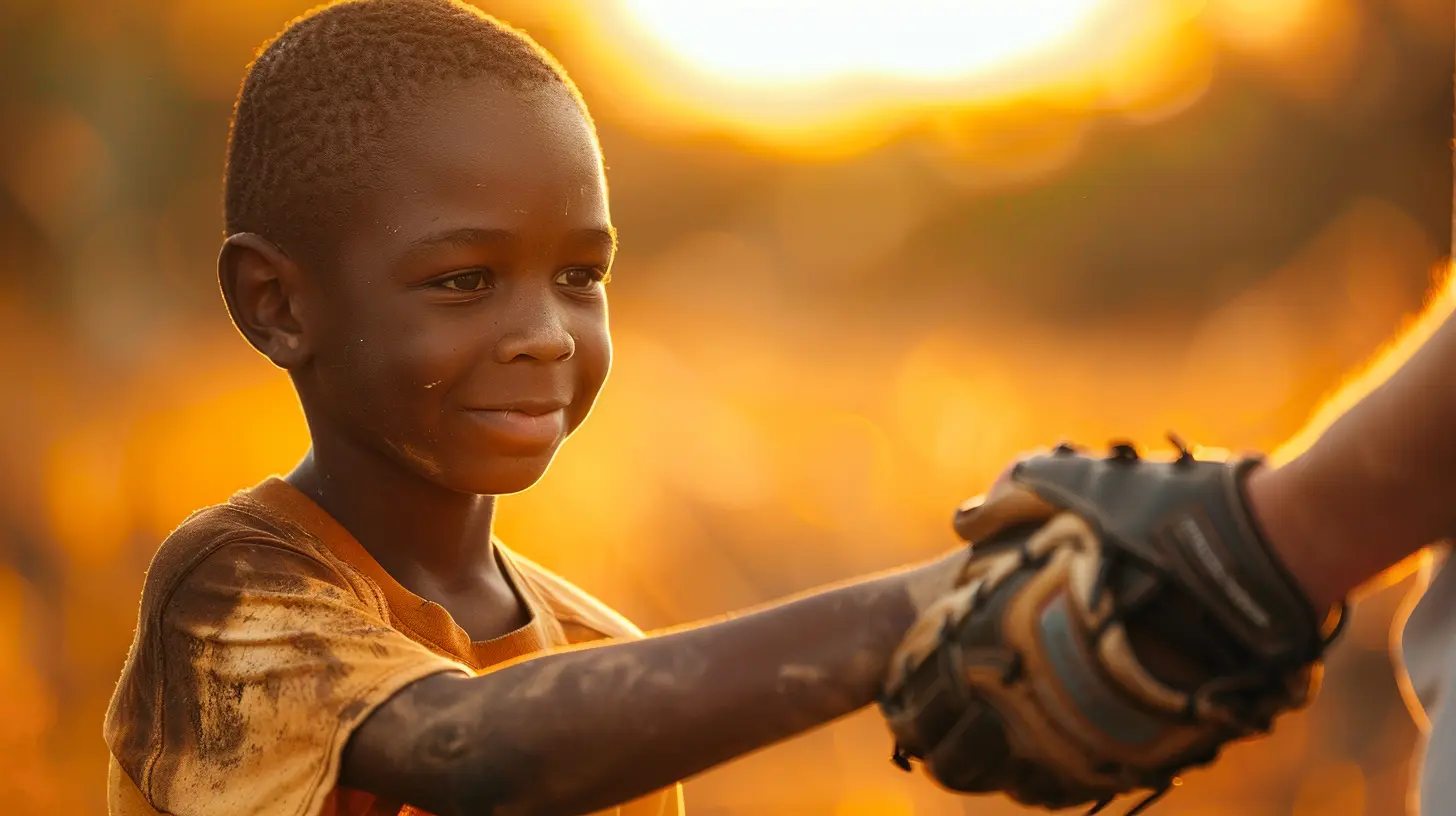
Sportsmanship is the heart and soul of sports. It’s playing fair, respecting opponents, and showing grace whether you win or lose. It’s the handshake after a tough match, helping an injured rival, or admitting a fault when no one else noticed.Great athletes aren’t just measured by their skills but also by their character. Think about it—when we talk about legends, we don’t just remember their achievements. We remember their moments of humility and kindness.
The Power of a Small Gesture
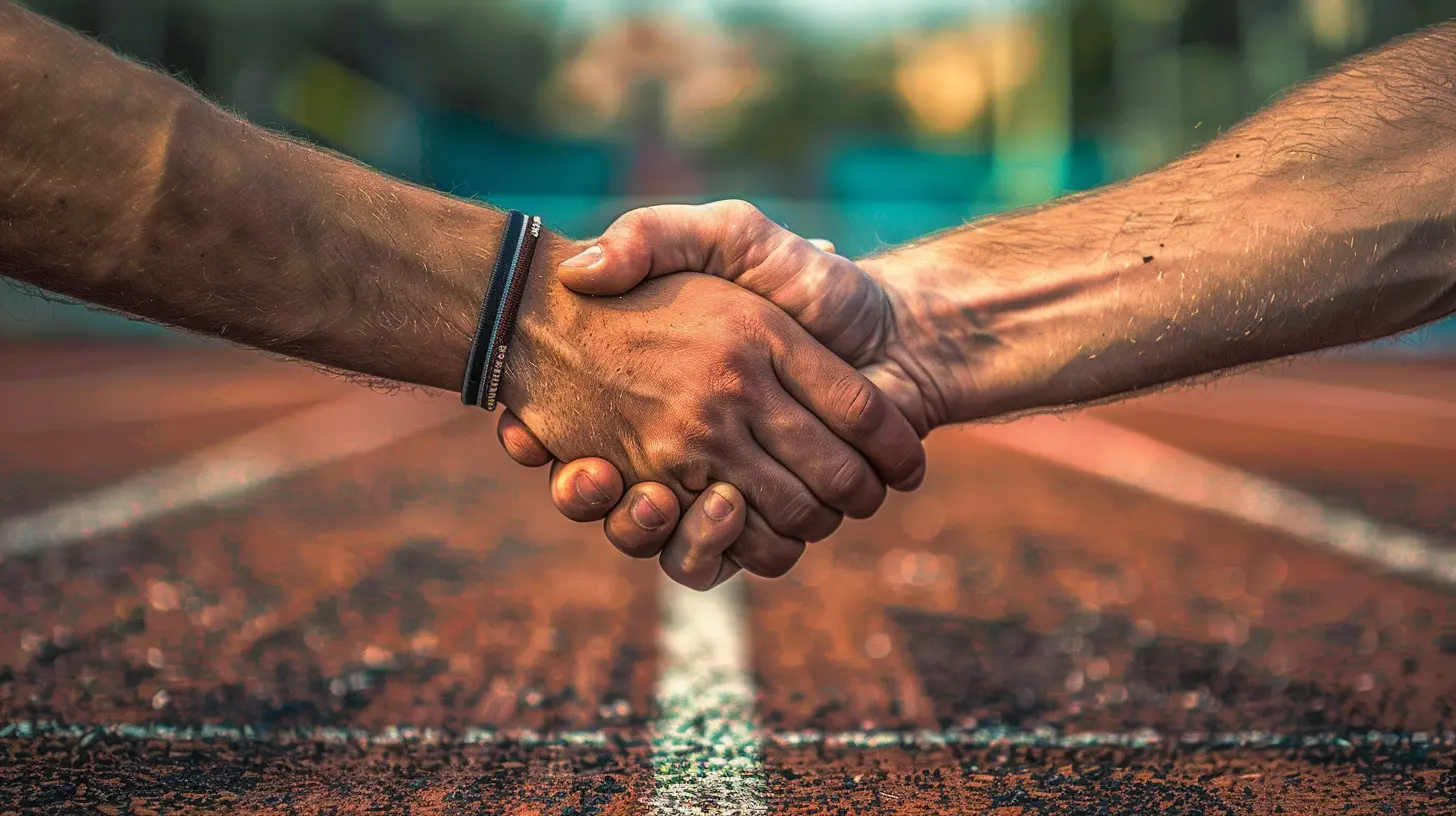
A single moment of sportsmanship can leave a mark forever. It might seem minor in the heat of competition, but to those involved (and even to the spectators), it can mean everything.Take, for instance, the story of Abbey D’Agostino and Nikki Hamblin at the 2016 Olympics. Mid-race, they collided and fell. Instead of rushing back to the competition, Abbey helped Nikki up, encouraging her to finish. That moment of selflessness went viral, proving that true victory isn’t always about crossing the finish line first.
That’s the power of sportsmanship. It turns fleeting moments into history, inspiring millions.
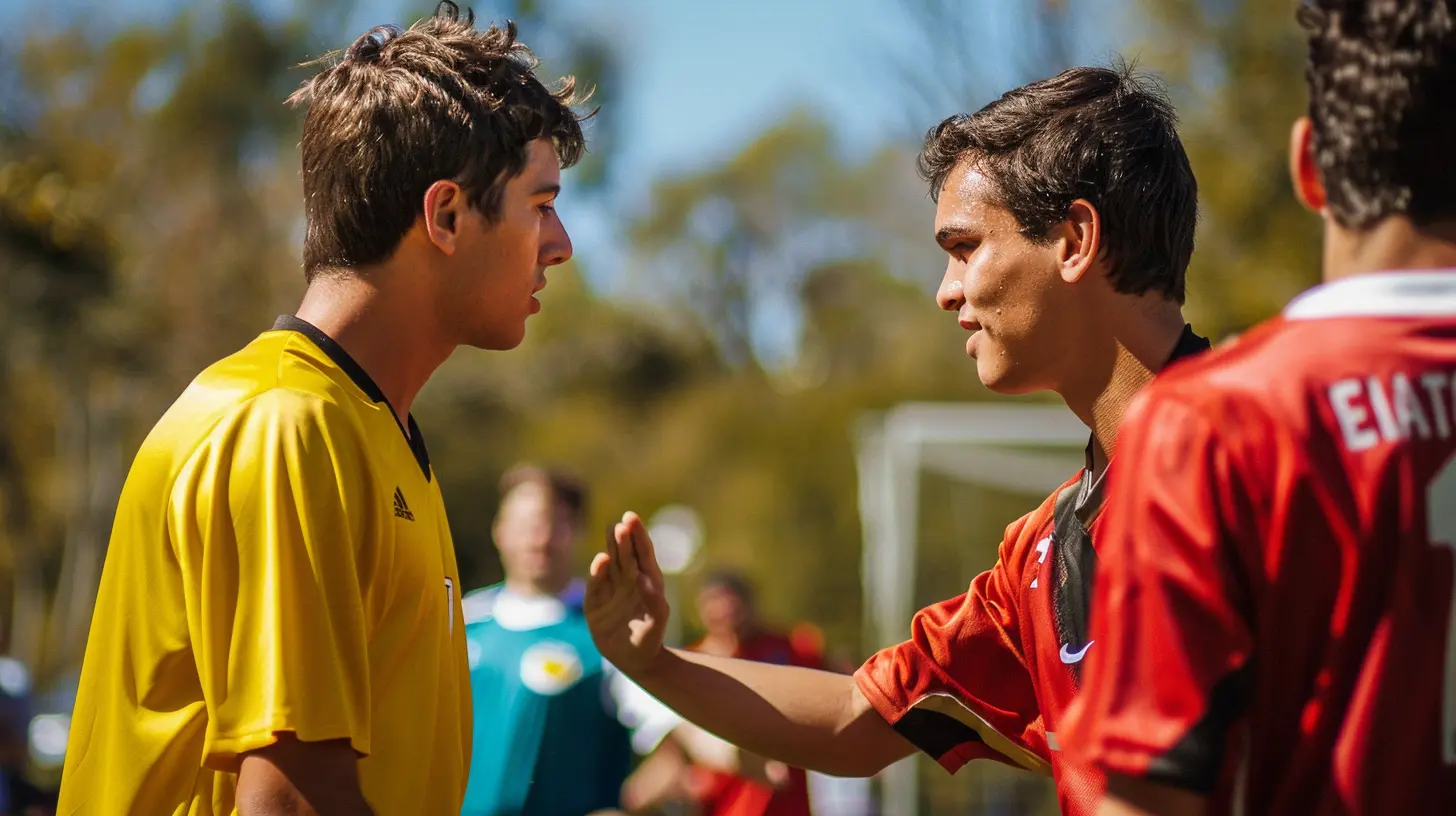
Why Does Sportsmanship Matter?
You might wonder—why does a simple good deed in sports matter so much? Because it teaches lessons that go far beyond the game.1. It Sets an Example for Future Generations
Kids watch and mimic their idols. When they see acts of sportsmanship, it teaches them that kindness and respect are just as important as skill and talent. It’s how we build a culture of respect in sports.2. It Strengthens Rivalries
Sounds ironic, right? But the best rivalries aren’t built on hatred—they’re built on mutual respect. When opponents acknowledge each other’s greatness with honor, it adds meaning to the competition.Think of Roger Federer and Rafael Nadal—two tennis icons, fierce rivals on the court, yet always full of praise for each other. Their sportsmanship has made their rivalry legendary.
3. It Reminds Us That Sports Are About More Than Winning
At the end of the day, titles fade, records get broken, and trophies collect dust. What truly lasts is how players made us feel. A win is great, but an act of sportsmanship is immortal.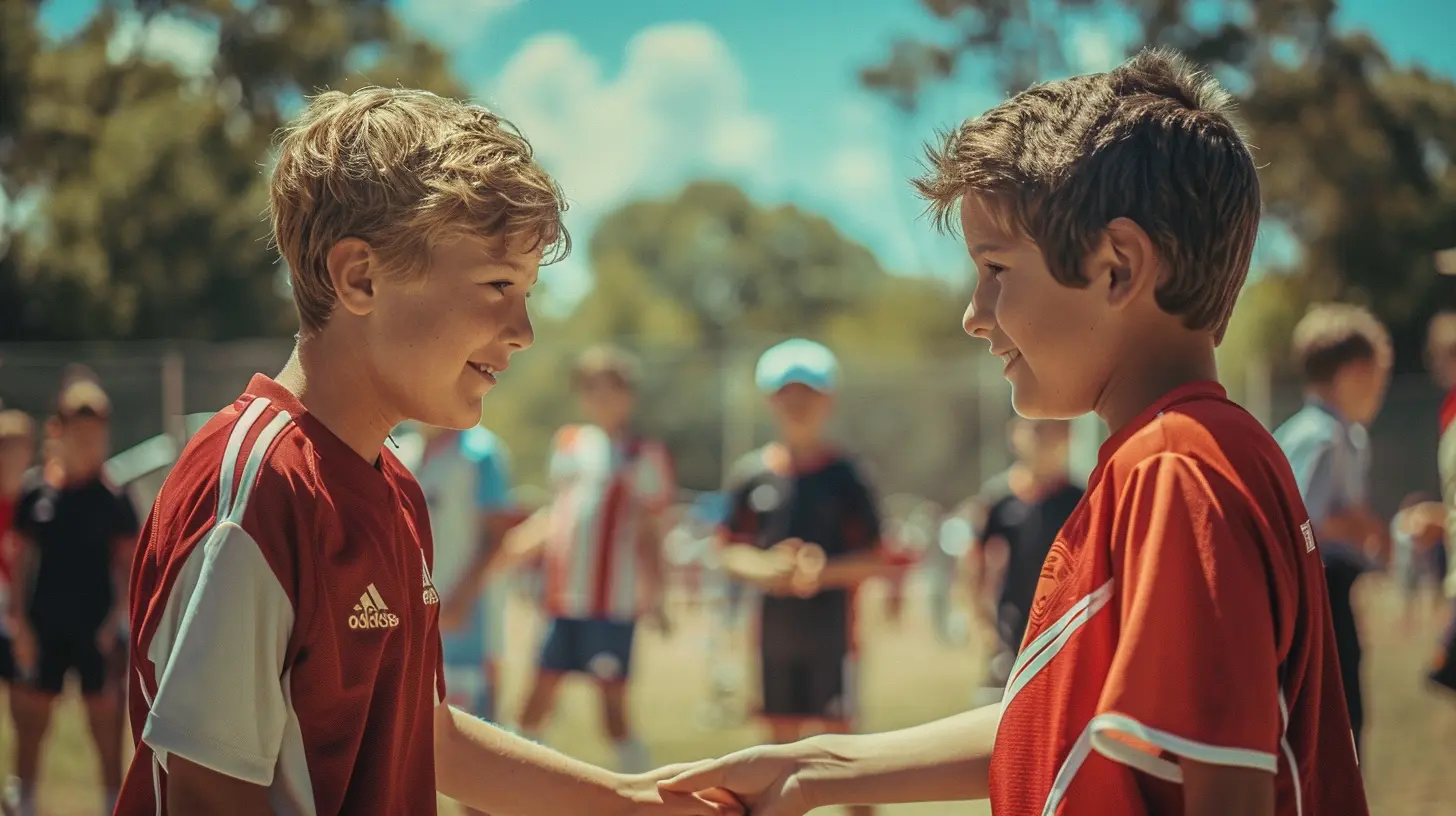
Famous Moments That Defined Sportsmanship
History is full of unforgettable examples of sportsmanship that prove character matters just as much as talent.Derek Redmond’s Father Running onto the Track (1992 Olympics)
Derek Redmond tore his hamstring mid-race in the 400m semifinal. As he limped in pain, his father rushed onto the track to help him cross the finish line. It wasn’t about victory—it was about heart.Paolo Di Canio’s Unselfish Play (2001)
West Ham’s Paolo Di Canio had an open goal, but instead of scoring, he caught the ball to stop play when he saw the opposing goalkeeper injured. He chose fairness over glory, proving that some things are bigger than winning.Jack Sock’s Honest Call (2016 Hopman Cup)
Jack Sock told his opponent, Lleyton Hewitt, that his serve was actually in—despite the umpire calling it out. He didn’t have to do it, but he did. That simple act earned him respect from fans and players alike.The Ripple Effect of Sportsmanship
One act of sportsmanship can inspire thousands of others. It’s like throwing a stone in a pond—those ripples keep spreading.Think about social media today. A single clip of a good deed can reach millions within hours, touching people across borders. These moments remind us that no matter where we’re from, we share the same values of decency and respect.
How Can We Encourage Sportsmanship?
It starts with us. Whether you're an athlete, coach, or fan, everyone has a role in making sports better.- Coaches should emphasize respect over results. Winning is great, but teaching young athletes about honor is greater.
- Parents should praise effort over victories. Encourage fair play, teamwork, and humility.
- Fans should appreciate noble moments. Cheer for good sportsmanship, not just goals and points.
- Athletes should lead by example. Whether amateur or pro, the way you treat your opponents shapes the game’s culture.
Final Thoughts
At its core, sportsmanship is about humanity. Competition pushes us to be our best, but respect and kindness define who we truly are.A simple act—whether lending a helping hand, acknowledging an opponent’s resilience, or choosing fairness over advantage—can echo for generations. These moments remind us why we fell in love with sports in the first place.
Next time you see an athlete display sportsmanship, remember: that’s the real victory.
all images in this post were generated using AI tools
Category:
SportsmanshipAuthor:

Ruben McCloud
Discussion
rate this article
2 comments
Seth McCool
What a refreshing reminder of how sportsmanship can change lives. It's the small gestures that often resonate the most, proving that respect and kindness in competition can leave a legacy beyond the scoreboard. Truly inspiring!
September 8, 2026 at 8:16 AM
Raina Rivera
This article highlights how a small act of sportsmanship can leave a lasting impact on athletes and fans alike. It reminds us that respect and kindness often overshadow competition. Such moments inspire unity and showcase the true spirit of sports, making them memorable beyond the game itself.
September 6, 2026 at 3:32 AM