Why Good Sportsmanship Should Be Every Athlete’s Priority
8 June 2026
Sports are more than just competition. They’re about passion, dedication, and pushing oneself to new limits. But beyond physical ability and strategy, one thing distinguishes a true athlete: good sportsmanship.
Whether you're on the field, the court, or even the track, how you treat opponents, teammates, and officials speaks volumes. Some athletes focus solely on winning, forgetting that sportsmanship is just as crucial as skill. But why should athletes prioritize sportsmanship? Because it’s the backbone of sports, shaping not only the game but also the character of those who play it.
Let’s dig deeper into why good sportsmanship should be every athlete’s top priority. 
What Is Good Sportsmanship?
Good sportsmanship refers to treating others with respect, fairness, and kindness in sports and competition. It’s about maintaining integrity, staying humble in victory, and handling defeat with grace.Sportsmanship isn't just about shaking hands after a game—it's seen in how you react to a bad call, how you encourage teammates, and how you respect your opponents. In short, it’s the ethical foundation of sports.
Traits of a Good Sportsman
A true sportsman exhibits:- Respect – Acknowledging referees’ decisions, respecting opponents, and valuing teamwork.
- Fair Play – Competing honestly without cheating or bending the rules.
- Humility – Winning without arrogance and avoiding excessive celebrations that disrespect opponents.
- Grace in Defeat – Accepting losses with dignity and avoiding blaming others.
- Encouragement – Lifting teammates and even opponents with words of motivation.
When athletes embrace these qualities, they not only enhance their sports experience but also set an example for others. 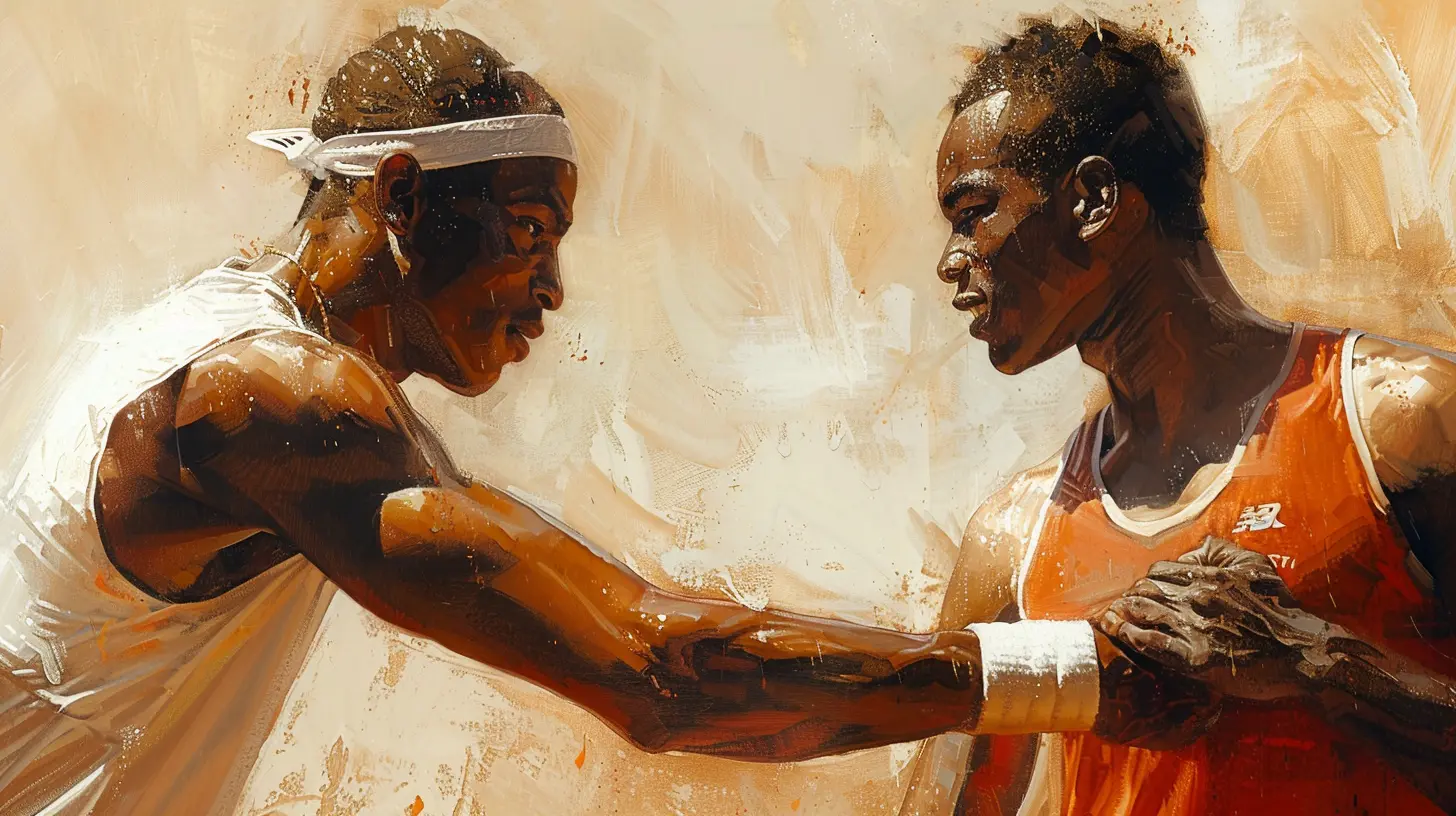
Why Good Sportsmanship Should Be a Priority
Athletes often find themselves caught up in competition, sometimes forgetting that the way they play is just as important as the final score. Here’s why good sportsmanship should always take precedence.1. Sportsmanship Promotes Respect
At its core, sports are about mutual respect. Whether you play soccer, basketball, or tennis, the game is built on rules that ensure fair play. If athletes refuse to respect their opponents, officials, or even their own teammates, the game quickly turns toxic.Respecting others fosters healthy competition, where players can challenge each other without hostility. When you treat others well, you make the game more enjoyable for everyone involved.
2. It Builds Character
Good sportsmanship shapes character in a way that few other things can. Think about it:- Learning to accept defeat teaches resilience.
- Treating others with respect develops empathy.
- Staying humble in victory creates a sense of gratitude.
These traits don’t just help in sports—they help in life. Athletes who practice good sportsmanship carry these qualities into their careers, relationships, and personal growth.
3. It Strengthens Teamwork
Even in individual sports, athletes rely on coaches, trainers, and support staff. In team sports, collaboration is the key to success. Poor sportsmanship can create division, while good sportsmanship fosters unity.A team that lifts each other up and competes with integrity thrives. Just ask any championship-winning team: chemistry and mutual respect often mean the difference between winning and losing.
4. Sets a Positive Example for Others
Athletes—especially professionals—are role models whether they like it or not. Young kids watch and emulate their favorite players. If their idols display arrogance, argue with referees, or disrespect opponents, kids might think that behavior is acceptable.When athletes lead by example, they inspire future generations to prioritize fairness, respect, and ethical play. Imagine the impact if every young athlete saw their sports heroes showing humility and kindness.
5. It Makes the Game More Enjoyable
Nobody likes playing against a sore loser or someone who gloats excessively after a win. It takes the fun out of the game. At the end of the day, sports are meant to be enjoyable.Good sportsmanship creates a positive atmosphere where athletes can challenge each other while still respecting and appreciating the game itself. The best games are those where both sides push each other but shake hands afterward, knowing they competed hard and fairly. 
The Consequences of Poor Sportsmanship
If good sportsmanship is essential, then bad sportsmanship is the ultimate roadblock to a positive playing environment. Here’s what happens when athletes ignore it:- Damaged Reputation – No one remembers a great player who was constantly disrespectful.
- Loss of Opportunities – Coaches and teams are hesitant to work with players who tarnish the sport with bad behavior.
- Unnecessary Conflict – Arguments, fights, and hostility take away from the game itself.
- Psychological Toll – Poor behavior often stems from frustration and negativity, which can take a mental toll on players.
The bottom line? Bad sportsmanship destroys both the game and the athlete’s potential. 
How to Improve Sportsmanship as an Athlete
Want to become a better sportsman? Here are some key ways to improve:1. Accept Winning and Losing with Grace
Winning is great, but it’s important to stay humble. On the flip side, losing is tough, but blaming others only makes it worse. Treat both outcomes with the right attitude.2. Show Respect to Everyone Involved
This includes teammates, opponents, referees, coaches, and even fans. A simple handshake or kind word after a match goes a long way.3. Stay in Control of Emotions
Frustration happens, but letting emotions dictate your actions can harm your reputation. Take a deep breath, refocus, and channel that energy into playing better.4. Encourage and Support Others
Cheering for a teammate’s success or helping up an opponent after a fall shows true character. The best athletes build others up rather than tear them down.5. Follow the Rules with Integrity
Cheating or bending the rules might help in the short term, but it damages trust in the long run. Play fairly and let your skills speak for themselves.By practicing these habits, athletes can elevate their game and create a positive sports environment for everyone.
Conclusion
Good sportsmanship should never take a backseat to winning. It’s what makes sports meaningful, fostering respect, character, and integrity in competition. Athletes who prioritize sportsmanship set themselves up for long-term success and personal growth, both on and off the field.So, whether you're stepping onto the pitch, court, or any other competitive arena, remember: how you play the game matters just as much as the outcome. Play fair, stay humble, and lift others up—because that’s what true sportsmanship is all about.
all images in this post were generated using AI tools
Category:
SportsmanshipAuthor:

Ruben McCloud
Discussion
rate this article
1 comments
Tia Gonzalez
Great points about sportsmanship! It truly shapes character and fosters respect both on and off the field.
June 14, 2026 at 4:31 AM
Ruben McCloud
Thanks for your feedback! I'm glad you agree that sportsmanship is essential for character and respect.