Why True Sportsmanship Is a Hallmark of Greatness
29 May 2026
Let’s be honest—when we think about greatness in sports, our minds often go straight to the flashy stats, the jaw-dropping plays, and the trophies lined up on the shelf. Those are all incredible, no doubt. But there's something deeper, something more profound that separates the good from the truly great.
It’s not just about winning.
It’s about how you carry yourself in both victory and defeat. That something is true sportsmanship—an often underrated quality that many overlook, yet it stands tall as one of the clearest signs of greatness in any athlete or team.
In this article, we’re digging deep into why true sportsmanship matters more than you might think. So grab your coffee (or Gatorade), and let’s talk about how grace, humility, and respect make champions—not just in the game, but in life.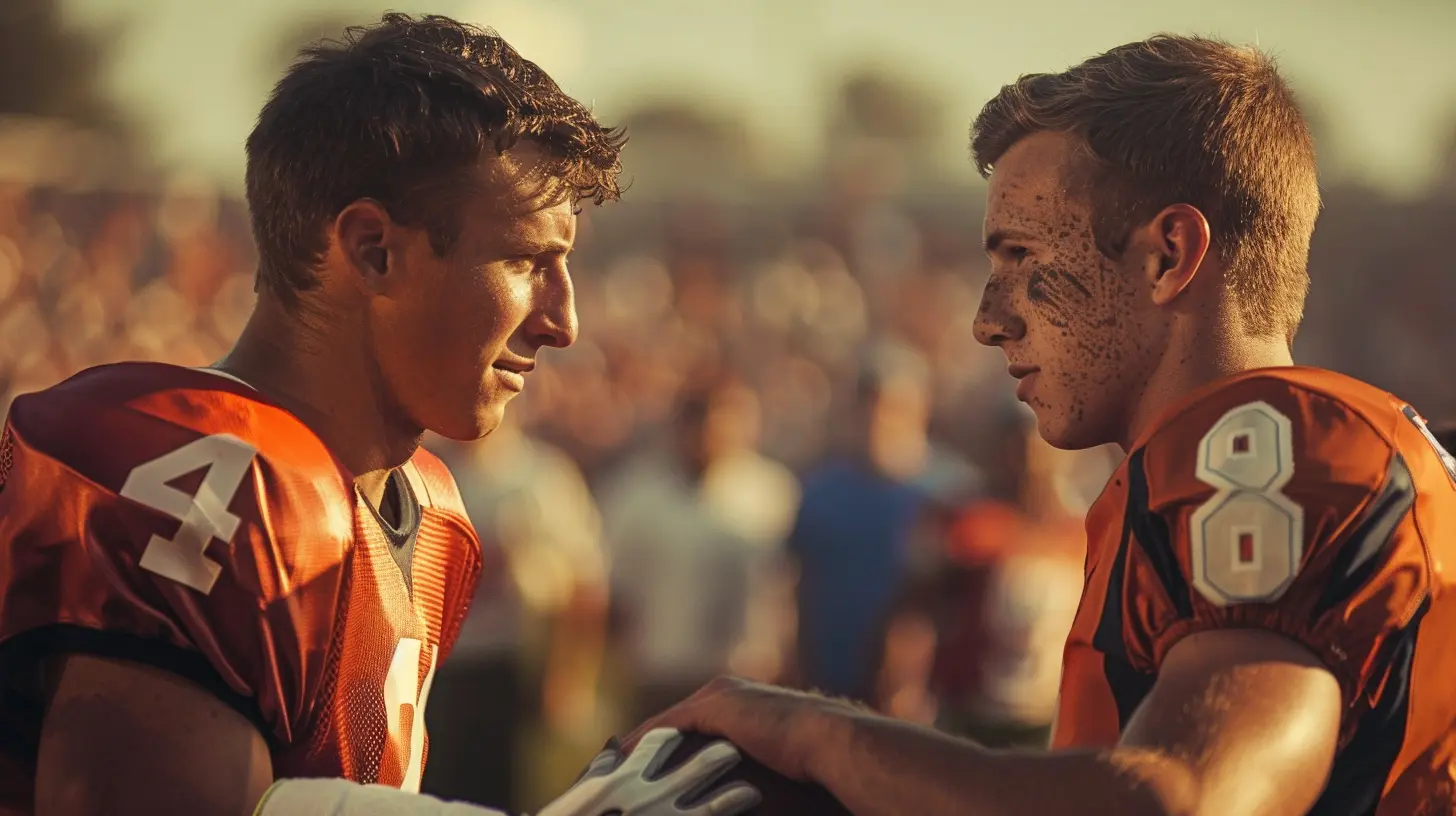
What Is True Sportsmanship Anyway?
Before we go any further, let’s break this down. What is true sportsmanship?At its core, sportsmanship is all about respect. Respect for the game, your opponents, the officials, the fans, and most importantly—yourself. It’s playing hard but fair. Competing fiercely, but never crossing the line. Winning with humility and losing with dignity.
Think of it as the unwritten rulebook that governs the soul of sports.
It means shaking hands after a grueling match, applauding an opponent’s great play, and never making excuses when things don’t go your way. Doesn’t matter if you're on the field, court, rink, or even the track—this mindset applies everywhere.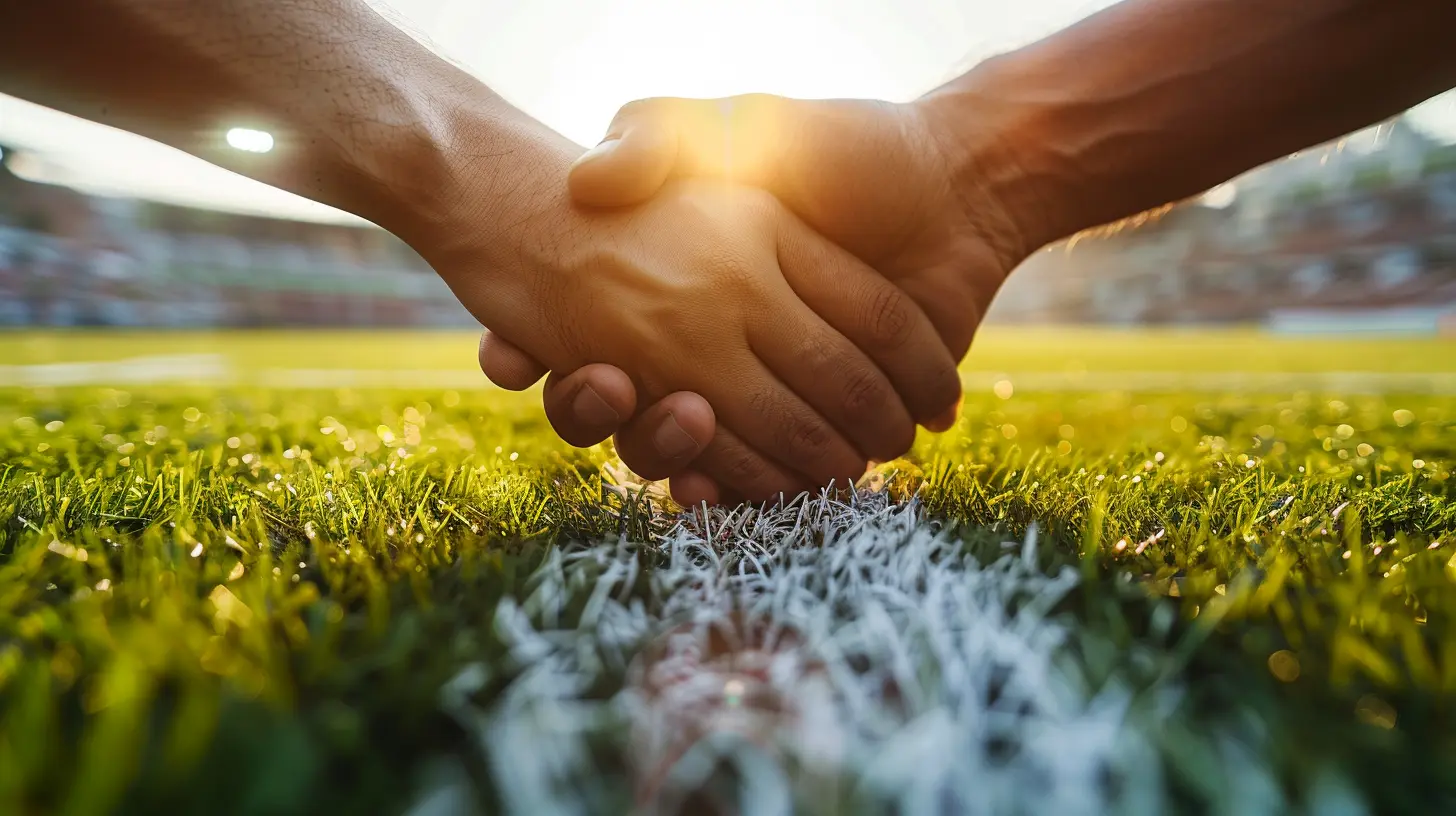
The Real MVPs Lead with Character
Let’s face it. Stats can lie. Scoreboards only tell part of the story. But character? That’s what leaves a lasting impression.True legends of the game—people like Roger Federer, Serena Williams, Lionel Messi—they all have one thing in common. Sure, their resumes are stacked with titles, but they’re also known for their grace under pressure and their respect for the game and their competition.
Remember when Federer applauded Nadal after a tough loss? Or when Serena acknowledged her opponent's stellar play, even in defeat? That’s the kind of stuff that earns admiration even from rivals.
Why? Because greatness isn’t just about ability; it’s also about integrity.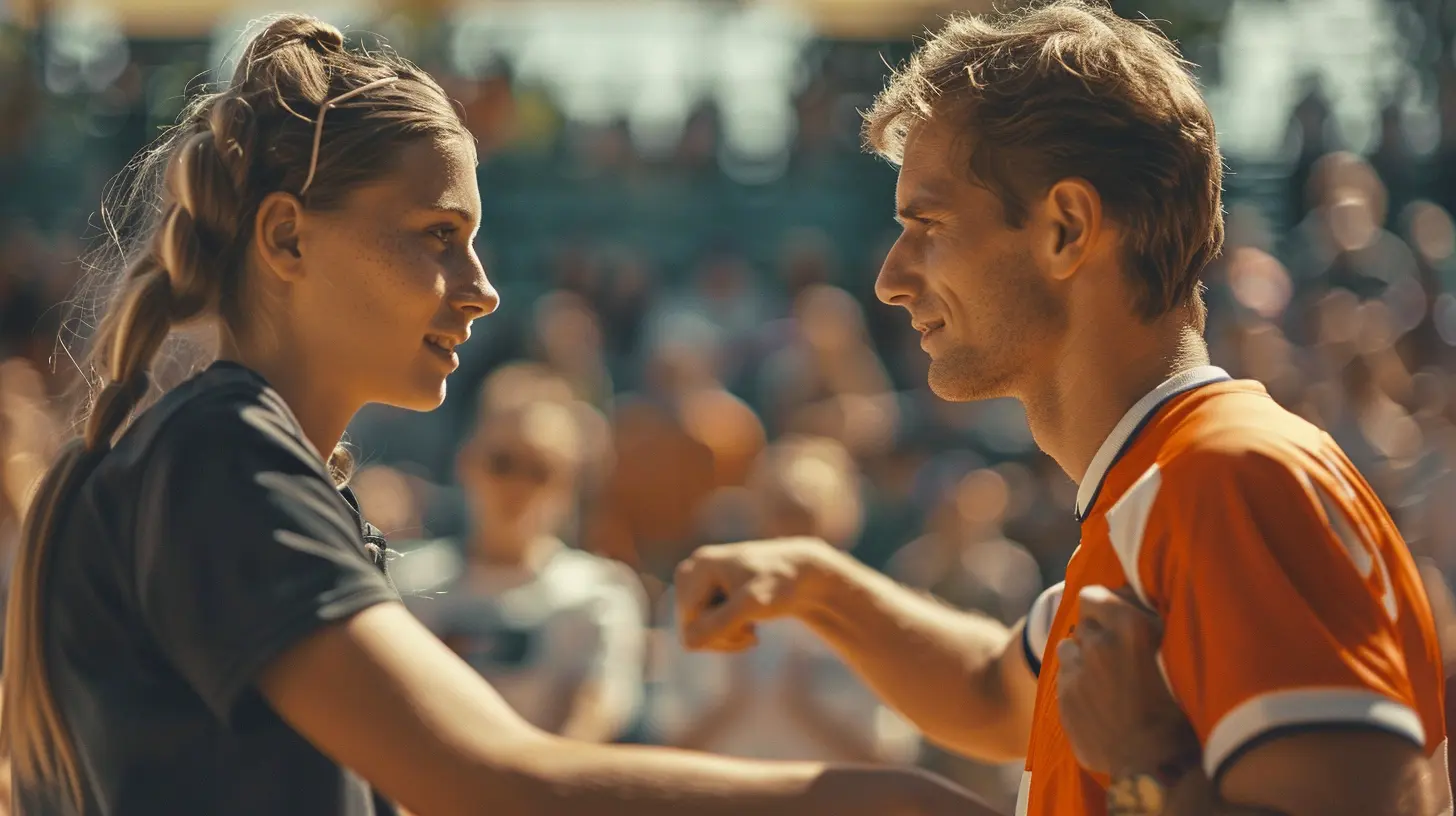
Why It’s Easy to Forget Sportsmanship (And Why That’s a Problem)
Let’s be real for a second. In today’s hyper-competitive world, the pressure to win is insane. There’s money on the line. Endorsements. Social media clout. It’s easy to get sucked into the “win at all costs” mentality.But here’s the kicker—when athletes start prioritizing victory over values, it doesn’t just affect their reputation; it poisons the culture of the sport. Trash talk becomes toxic, cheating becomes strategic, and admiration turns into animosity.
And fans? We notice. We remember when an athlete tries to trip someone or disrespects the opposition. It sticks.
On the flip side, acts of genuine sportsmanship—those viral moments when a player helps an opponent up or admits to a foul they weren’t caught committing—those resonate. They remind us that sports, at their best, bring out the best in us.
Sportsmanship Gives the Game Its Soul
Let’s draw a quick comparison. Think of any sport as a stage. The game is the performance, the skills and plays are the choreography, but sportsmanship? That’s the soul.Without it, the game loses its meaning.
We love sports not just for the scoreboard, but for the stories. The drama. The emotion. The mutual respect between two athletes who leave everything on the field and then hug it out afterward.
That’s the kind of moment that gives you goosebumps.
And let’s not forget—sportsmanship isn’t just for the pros.
Teaching the Next Generation What Really Matters
One of the biggest reasons true sportsmanship stands out is the effect it has on younger players.Kids are always watching. Whether they’re in the stands or scrolling through TikTok, they absorb everything their favorite athletes do. If they see dirty plays, meltdowns, and unsportsmanlike behavior being glorified, guess what happens?
They think it’s cool. They imitate it.
But imagine the flip side—what if their idols celebrated every opponent’s effort, respected the rules, and played hard but respectfully? That kind of behavior trickles down. It builds a culture where personal growth is valued just as much as a gold medal.
Greatness isn’t just measured in wins—it’s measured in the legacy you leave behind.
The Thin Line Between Competitiveness and Contempt
Let’s get one thing straight—being a sportsman doesn’t mean being soft.Some of the most intense, hard-nosed competitors are also the most respectful. Think of it like a controlled fire—it burns fiercely but within boundaries.
You should absolutely want to win. Want it bad. But the difference is in how you go about it.
Respecting your opponent doesn’t mean going easy on them. It means giving your best and expecting the same in return. That mutual respect? That’s what makes legendary battles—the kind fans talk about for decades.
When you blur that line and let ego take over, the game suffers. And so does your legacy.
Sportsmanship Builds Resilience
Here’s something people don't talk about enough—how sportsmanship actually makes athletes mentally stronger.Think about it. To congratulate someone who just beat you? That takes guts. That takes maturity.
It’s easy to be gracious when you’re winning. But try doing it when you’re on the losing end of a tough match. That’s when your true character shows.
Sportsmanship teaches you to keep your emotions in check, to bounce back from setbacks, and to always see the bigger picture. You're not just playing a game; you're representing something bigger than yourself.
And let’s not forget—it builds respect from your peers. Coaches, scouts, teammates, even opponents—they all take notice.
Legendary Moments of Sportsmanship We’ll Never Forget
Need proof that sportsmanship defines greatness? Let’s look at a few unforgettable moments:1. Jesse Owens and Luz Long (1936 Olympics)
This one’s historic. Jesse Owens, a Black American athlete, found support from his German rival, Luz Long, during a tense Olympic showdown in Nazi Germany. Long gave Owens advice mid-competition that helped him win gold. They embraced after the contest—defying politics, racism, and expectations.True greatness.
2. Abby Wambach and Marta Vieira da Silva (2011 Women’s World Cup)
After Brazil’s heartbreaking loss, Wambach, a U.S legend, walked over to comfort Marta. Imagine that—one of the fiercest competitors showing compassion. That moment of empathy is etched in fans' memories.3. Kimi Raikkonen and Sebastian Vettel (Formula 1)
Even in a cutthroat sport like F1, Raikkonen once congratulated Vettel immediately after a race, despite being overtaken in the final laps. No drama. Just respect between two gladiators of speed.What True Sportsmanship Says About You
Here’s the deal: how you act in the heat of the moment reveals your true self. Are you a sore loser? A boastful winner? Or are you balanced, respectful, and grounded?Because anyone can act cool when things are going their way. But adversity? Pressure? That’s where character is built—and broadcasted.
If you’re an athlete, coach, or even a fan—remember this: the world sees how you respond. And people will remember how you made them feel long after the score is forgotten.
It’s More Than a Game—It’s Life
Let’s zoom out for a sec. Sports are a microcosm of life. They teach us about teamwork, discipline, failure, triumph, and yes—sportsmanship.Truth is, life will throw you wins and losses. Sometimes you’ll be the underdog; other times, you’ll be on top. The key is knowing how to strive, fall, rise, and still treat others with kindness and respect.
That’s why we say true sportsmanship is a hallmark of greatness. Because it’s bigger than the game—it's about who you are when the final whistle blows.
And if you can carry the same spirit of grace and humility into everyday life? You’ve already won.
Final Whistle: Why We Should Celebrate It More
So, here’s the bottom line.True sportsmanship isn’t just a nice-to-have. It’s essential. It’s what turns a talented athlete into a role model. What transforms a good game into an unforgettable one. What keeps the heart of sports beating strong.
Sure, we all love a buzzer-beater or a record-breaking goal. But the real magic? It’s in the handshake, the hug, the nod of respect after the battle.
That’s greatness. And it deserves to be celebrated more than it is.
Let’s start holding sportsmanship as high as any stat. Because it’s not just about playing the game—it’s about honoring it.
all images in this post were generated using AI tools
Category:
SportsmanshipAuthor:

Ruben McCloud
Discussion
rate this article
1 comments
Katie Vaughn
True sportsmanship sets the foundation for greatness. It shows respect, integrity, and a commitment to the game and opponents. Athletes who embrace this spirit inspire others and elevate the sport itself. Keep pushing for excellence, on and off the field.
June 1, 2026 at 12:19 PM
Ruben McCloud
I couldn't agree more. True sportsmanship not only enhances the game but also inspires athletes and fans alike to strive for their best. It truly is a key ingredient for greatness.