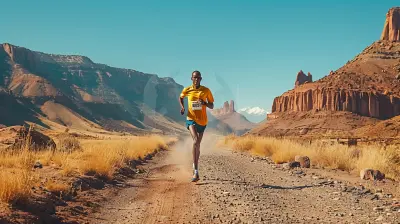
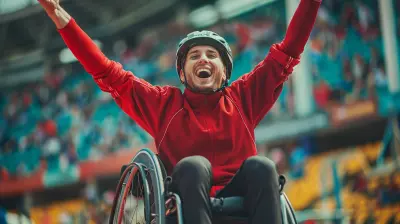
Sportsmanship Beyond the Scoreboard: Why It Matters More
1 August 2026
When you think of sports, what comes to mind first? The thrill of victory? The agony of defeat? Maybe it’s the stats, the records, or the highlight-reel plays. But here’s something that often gets overshadowed: sportsmanship.
Sure, putting points on the board is important, but the way athletes conduct themselves—especially in the heat of competition—matters just as much. In fact, some might argue it matters even more.
So, let’s dive into why sportsmanship is the unsung hero of sports and why it goes far beyond just winning or losing.
What Is Sportsmanship, Really?
At its core, sportsmanship is about respect, fairness, and integrity. It’s how athletes treat each other, how they react to wins and losses, and how they embody the spirit of the game.It’s shaking hands after a tough match. It’s admitting when a referee makes the right call—even if it’s against you. It’s lifting up a fallen opponent instead of celebrating their misstep.
Think about it—it’s easy to be gracious when you win. But true sportsmanship shows its colors when you lose with dignity and when you win with humility.
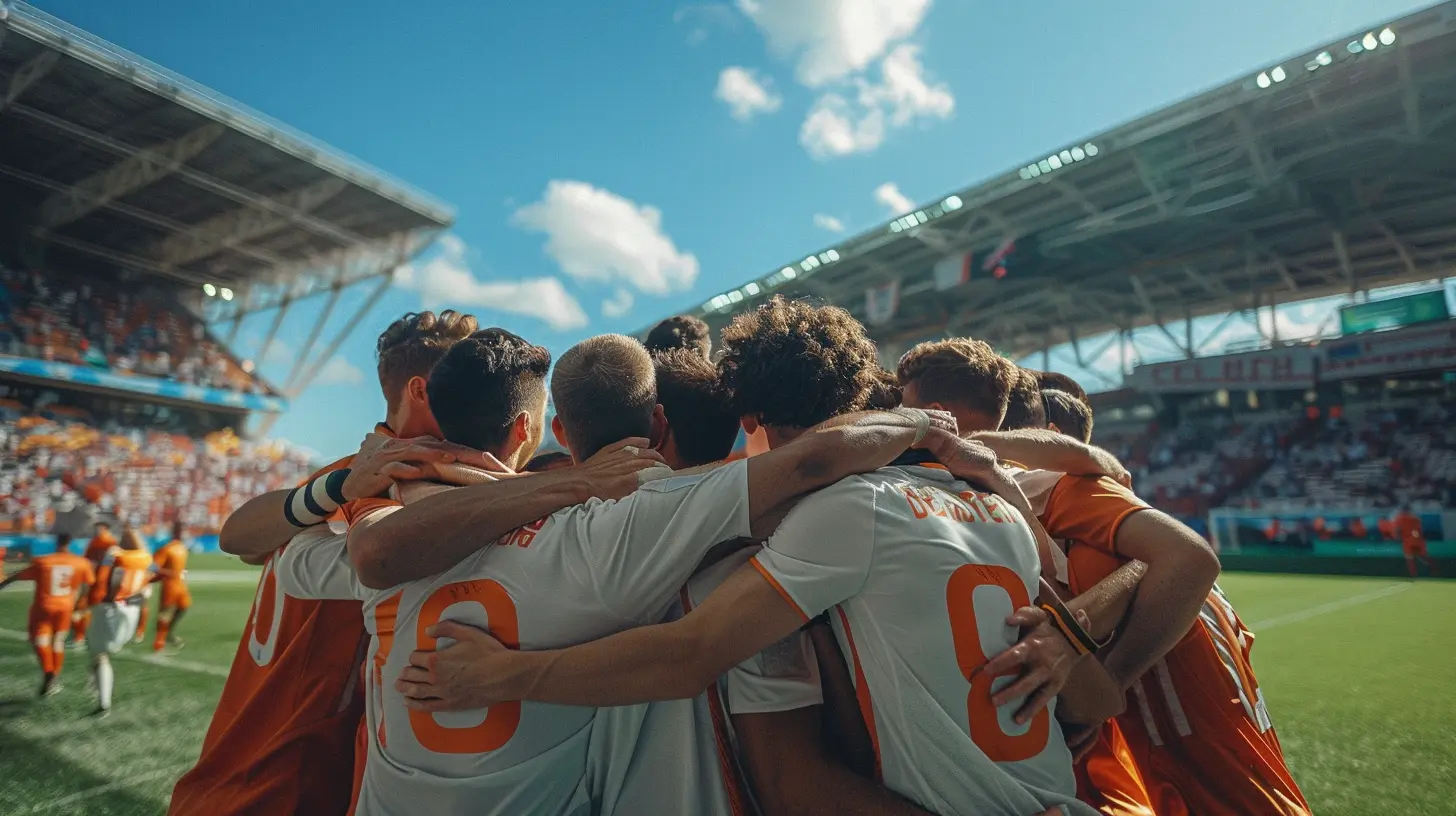
Why Sportsmanship Matters More Than the Score
A scoreboard only tells part of the story. Here’s why sportsmanship carries more weight than any trophy or title:1. It Shapes Character
Winning a game is temporary, but the lessons learned from playing with integrity last a lifetime. Athletes who embrace sportsmanship develop self-discipline, emotional control, and resilience—qualities that serve them well beyond the field, court, or track.Think about the athletes we admire most. It’s not just their talent; it’s their character, their grace under pressure, and their ability to respect the game and their opponents.
2. It Builds Stronger Teams
The best teams aren’t just a collection of talented players; they’re built on trust, respect, and unity. Players who support each other, communicate well, and play fair create an environment where everyone thrives.Nobody wants to play with a sore loser or a selfish teammate. A culture of good sportsmanship fosters teamwork, which, in the long run, leads to more success than any amount of personal skill can.
3. It Earns Respect (On and Off the Field)
Reputation is everything in sports. A great athlete earns recognition, but a great sportsman earns something even better—respect.Fans, coaches, and fellow players remember those who play with integrity. The respect earned through good sportsmanship lasts far beyond a single game or season. And in many cases, it opens doors to opportunities like leadership roles, endorsements, and career growth.
4. It Sets the Example for Future Generations
Young athletes look up to the pros, mimicking their every move. If they see their idols displaying respect, fairness, and humility, they’re more likely to carry those values forward.It’s not just about winning; it’s about how you win (or lose). When players demonstrate good sportsmanship, they help shape a more positive and respectful sports culture for future generations.
Examples of Great Sportsmanship in Action
Need proof that sportsmanship is just as memorable as a championship win? Here are some incredible real-life moments that prove respect in sports is bigger than the score:1. Derek Redmond’s Olympic Moment (1992)
At the Barcelona Olympics, British sprinter Derek Redmond pulled his hamstring mid-race. He was crushed but determined to finish. As he hobbled toward the finish line, his father ran onto the track to support him. The crowd erupted in applause—not for a victory, but for an athlete’s unwavering spirit.2. Tennis Star Roger Federer’s Grace
Federer has won plenty of Grand Slams, but he’s also known for something else—his class and humility. Whether winning or losing, he always treats opponents with respect, shaking hands and giving credit where it’s due.3. The Ultimate Gesture in Softball
In a college softball game, Sara Tucholsky hit a home run but injured herself rounding the bases. Two players from the opposing team carried her around the bases, ensuring she got the home run she deserved. That’s the kind of sportsmanship that leaves people in awe.
The Dark Side: What Happens Without Sportsmanship?
Without sportsmanship, sports turn into something ugly. We’ve all seen it—trash talk turning into fights, players diving to fake injuries, fans booing mercilessly. It’s a slippery slope that takes the joy and honor out of the game.Not only does poor sportsmanship ruin reputations, but in some cases, it can cost players their careers or endorsements. No one wants to work with someone who lacks respect for the game and the people in it.
How to Promote Sportsmanship in Everyday Life
Sportsmanship isn’t just for professional athletes. Whether you’re playing pickup basketball, coaching Little League, or cheering from the stands, here’s how you can embody true sportsmanship:1. Lead by Example: Be the player (or fan) who respects opponents, supports teammates, and plays fair.
2. Celebrate Effort, Not Just Wins: Applaud hustle, determination, and teamwork—whether or not they result in victory.
3. Handle Losses with Grace: Nobody likes losing, but how you react defines your character. Shake hands, say “good game,” and move on.
4. Respect Officials and Opponents: Referees and opponents are part of the game. Disagree respectfully and keep your cool.
Final Thoughts: Winning Isn’t Everything, But Respect Is
At the end of the day, stats fade, records are broken, and trophies collect dust. But the way you play the game—the respect you show, the integrity you uphold—stays with you forever.So, whether you’re an athlete, a coach, or just a fan, remember this: sportsmanship matters more than any scoreboard ever will.
all images in this post were generated using AI tools
Category:
SportsmanshipAuthor:

Ruben McCloud
Discussion
rate this article
1 comments
Drift Warren
Great read! It's nice to see that winning isn't everything. At the end of the day, it's the friendships and respect we build that truly score big. Plus, who needs a trophy when you can have a lifetime of stories about that time you helped the other guy up?
August 9, 2026 at 3:02 AM
Ruben McCloud
Thanks for your thoughtful comment! I completely agree-those moments and connections often mean more than any trophy.