How Sportsmanship Fosters Team Unity and Collaboration
25 August 2026
We all love the thrill of competition—scoring the winning goal, nailing that last-minute shot, or blocking the powerful serve that seems impossible to return. Sports bring out a lot of emotions in us. But there’s something even more powerful than victory that makes the experience worthwhile: sportsmanship.
You’ve probably heard the word a million times from coaches, parents, or even on motivational posters stuck in locker rooms. But do we really understand what sportsmanship is? More importantly, how does it bring people together? How does it foster team unity and collaboration?
Let’s dive into this, and I promise to keep things down-to-earth, relatable, and maybe even sprinkle in some locker room wisdom.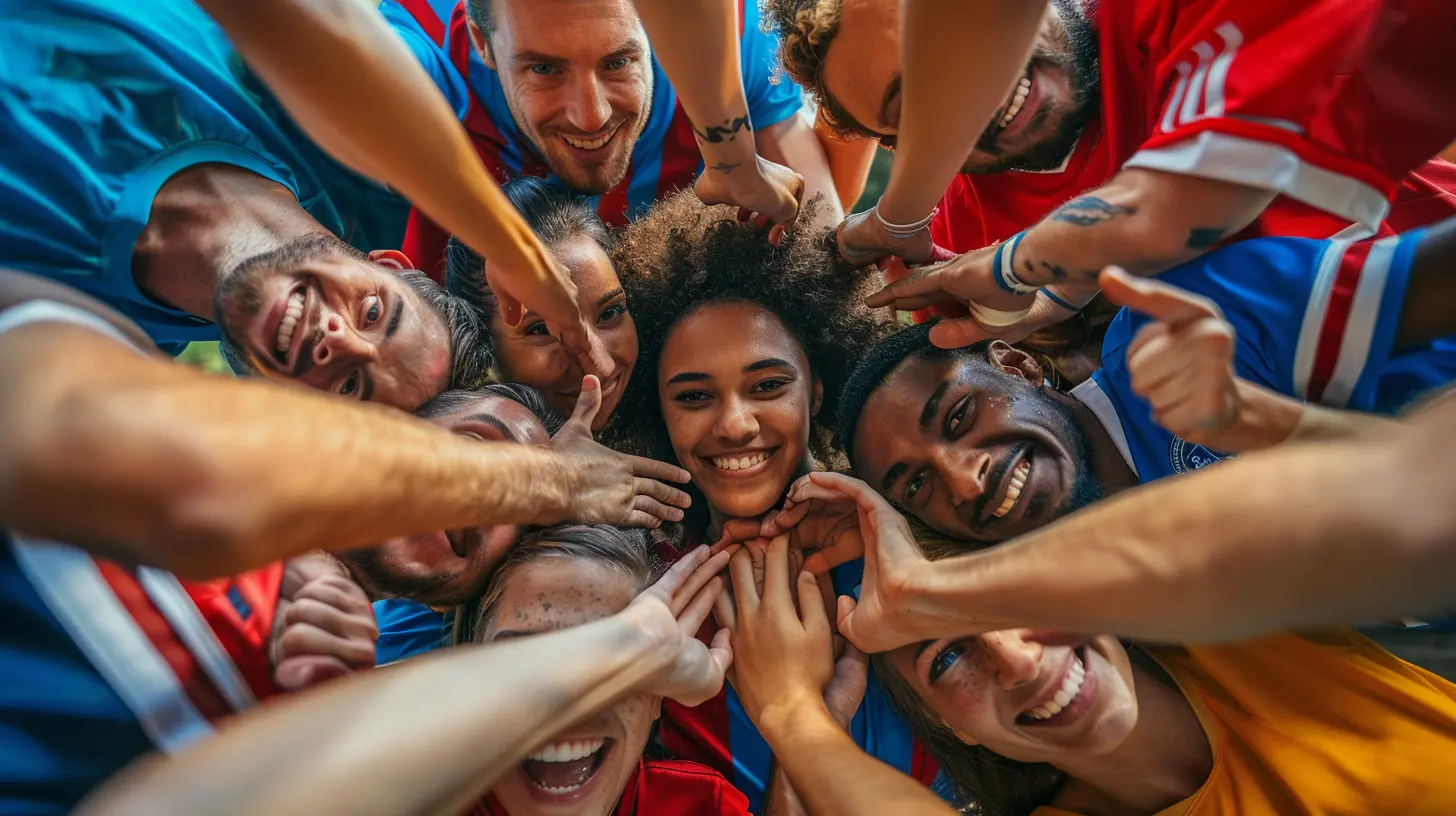
What Exactly Is Sportsmanship?
Before we go further, let’s break it down. Sportsmanship isn't just about shaking hands after a match or saying “good game” even when you’ve just lost. Sure, that’s part of it, but real sportsmanship dives deeper. It’s about respect, integrity, humility, and putting the team above ego.Think of it like the glue that holds the team spirit together. It shows up when a star player passes the ball instead of hogging it, when teammates lift each other up after a mistake, or when someone cheers from the bench without ever playing a minute.
Sound familiar? That’s sportsmanship in action.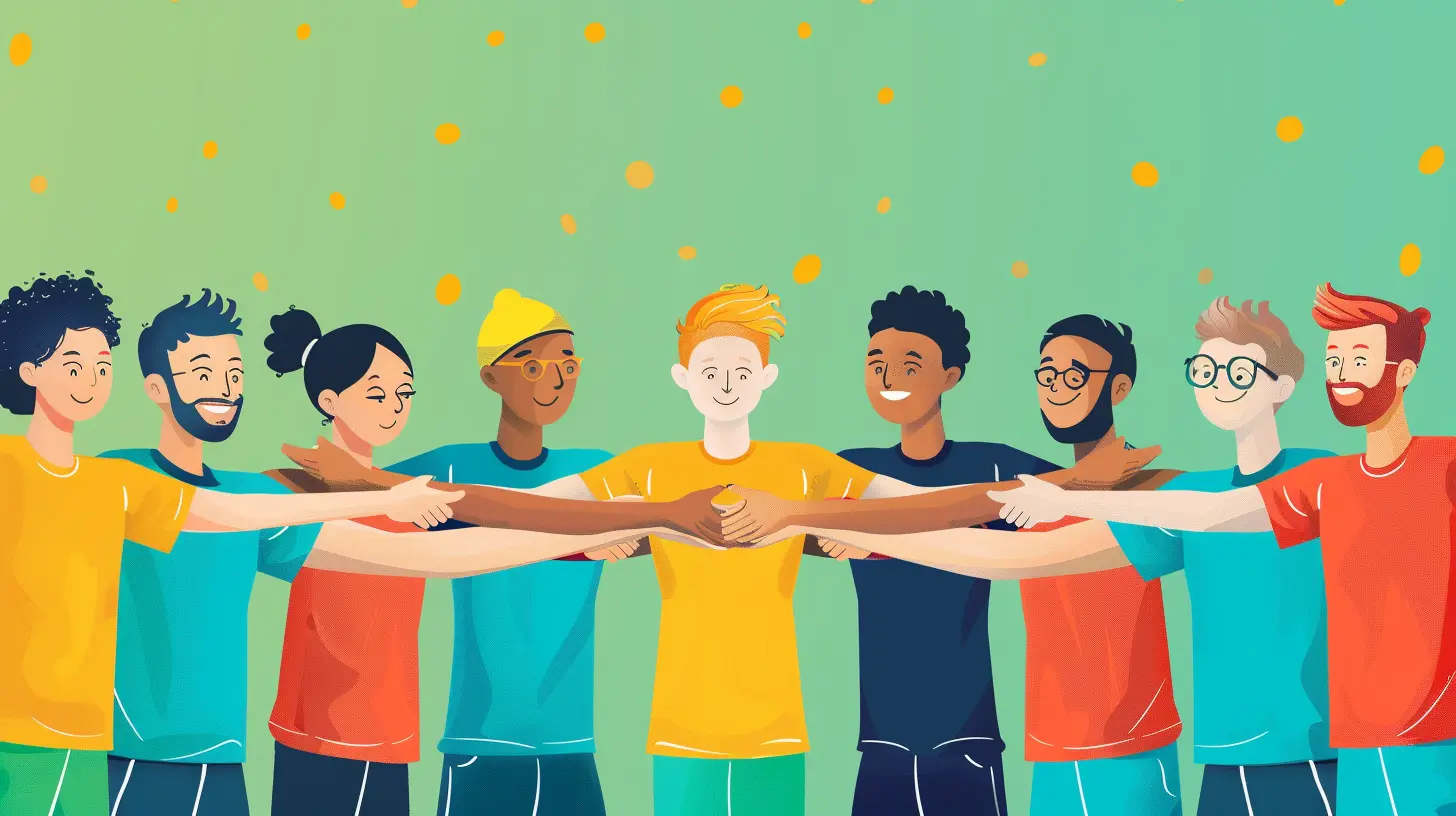
Why Sportsmanship Matters More Than Talent
Here’s the thing—even the most talented teams can fall apart without a solid foundation of sportsmanship. Why? Because talent might win games, but sportsmanship wins hearts—and more often than not, championships too.Let me paint this picture for you: a team full of ego-driven, spotlight-hungry athletes vs. a modestly skilled team that communicates, respects each other, and lifts each other up. Who would you bet on? Most of us would lean toward the second team. That’s the power of unity, and sportsmanship is the spark that ignites it.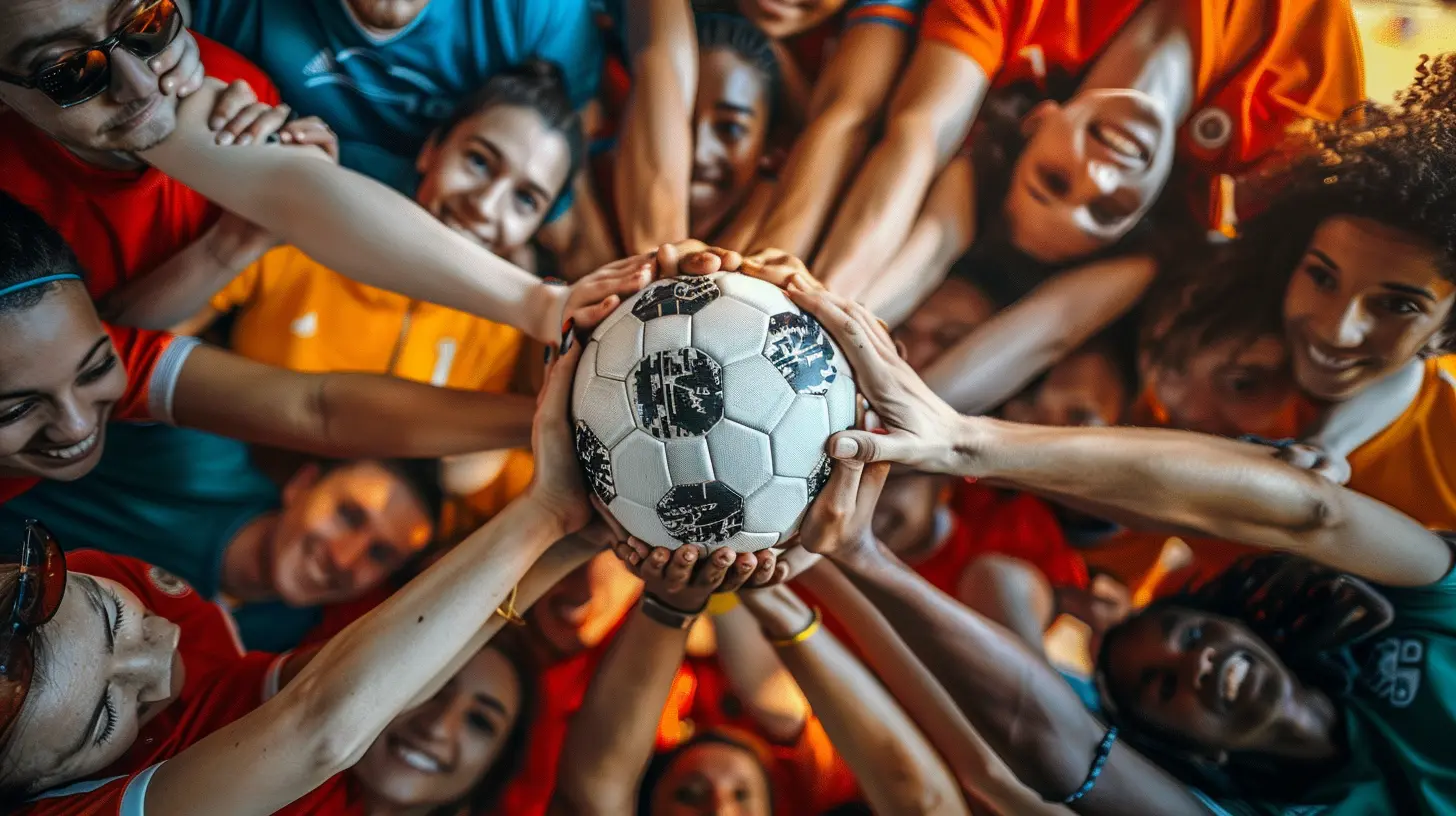
The Link Between Sportsmanship and Team Unity
So how exactly does sportsmanship encourage team unity? Let’s break it down into a few key areas:1. Respect Builds Trust
When players respect each other—regardless of skill level, position, or playtime—it creates a foundation of trust. And trust is everything in team sports.If you’re constantly criticizing or belittling your teammates, do you really think they’ll pass to you in a clutch moment? Probably not. But if you’ve shown them respect all along, they’ll know you’ve got their back—and they’ll have yours.
2. Shared Success Over Individual Gain
Sportsmanship shifts the focus from “me” to “we.” It’s about celebrating your teammate’s goal as if it were your own. That kind of attitude spreads like wildfire (in a good way).Once the whole team buys into this mindset, amazing things start to happen. Players start supporting one another, plays become more fluid, and the bench becomes just as involved as those on the court.
3. Handling Defeat with Grace
Let’s be real—no one likes losing. But it’s part of the game. How a team handles defeat can say a lot more than how they handle victory.Sportsmanship helps teams accept losses, learn from them, and come back stronger. When you avoid blaming others and focus on constructive feedback, you build camaraderie instead of friction.
Collaboration: The Secret Weapon of Successful Teams
You’ve probably heard the cheesy phrase, “Teamwork makes the dream work.” But as overused as it is, it's absolutely true. Collaboration is the heartbeat of any successful team, and guess what? Sportsmanship keeps that heart beating strong.1. Open Communication
Sportsmanship sets the tone for honest and respectful communication. No one wants to be yelled at for missing a shot. When team members treat each other with courtesy, it becomes easier to talk strategy, give feedback, and solve problems.2. Valuing Every Role
On a team, not everyone gets the spotlight. But in a sportsmanlike environment, every role is respected equally—from the top scorer to the water carrier. That recognition builds confidence and cohesion, making everyone feel like they’re truly part of something bigger.3. Resolving Conflicts Constructively
Disagreements happen. Tempers flare. But when players approach issues with a sportsmanlike attitude, they focus on solutions, not drama. It’s like putting out a fire before it burns the whole house down.Real-Life Examples of Sportsmanship Boosting Team Dynamics
Sometimes, the best way to understand something is through real stories. Here are a few examples where sportsmanship completely changed the game—literally and metaphorically.The 2004 Athens Olympic Men’s Relay Team
The U.S. men's 4x100m team was expected to dominate. But instead of working as a cohesive unit, each runner focused so much on individual performance that they botched handoffs and lost to teams with better chemistry. Lesson? Without unity, talent means nothing.The 2018 FIFA World Cup – Japan’s Graceful Exit
Japan lost a heartbreaking game, but their players still managed to clean their locker room before leaving and left a thank-you note in Russian. Talk about class. Their sportsmanship won admiration worldwide and set a gold standard for behavior—even in defeat.High School Teammate Lifts Opponent Who Collapsed
In a cross-country meet, a runner collapsed near the finish line. Instead of sprinting ahead for a better placement, her opponent stopped to lift her and help her finish. That’s sportsmanship redefining competition—and building a lasting legacy of mutual respect.How Coaches Can Nurture Sportsmanship
Coaches play a massive role. They’re like gardeners—whatever they plant and water grows. If a coach prioritizes character over victory, players will follow.Here’s how coaches can foster sportsmanship:
1. Lead by Example
If a coach loses their cool over a ref’s call or shows favoritism, players notice. But when they model poise, respect, and humility, it becomes contagious.2. Celebrate Good Behavior
Recognize not just the goal scorers but also the team players—the assist-makers, the encouragers, and even the quiet ones who work hard in practice. That sets the tone.3. Establish Clear Expectations
Make sportsmanship a non-negotiable part of the team culture from day one. Let everyone know it’s not just about playing well—it’s about playing with integrity.How Players Can Promote Sportsmanship
Even if you’re not the captain or the fastest on the team, you still have a huge role to play. Here’s how any player can help foster a culture of sportsmanship:- Be humble in victory and gracious in defeat.
- Show up for your teammates, especially when they’re struggling.
- Speak up if someone’s behavior is hurting team morale.
- Keep it clean—on the field and with your words.
- Own your mistakes and forgive others for theirs.
Remember, every game is a chance to build your legacy—not just as an athlete, but as a person.
Sportsmanship Isn’t Just for the Field
Here’s the beautiful thing about it: the lessons you learn through sportsmanship transfer to real life. Think about it—teamwork, collaboration, respect, communication... those are the same skills you need in relationships, workplaces, and communities.Sportsmanship builds leaders, friends, mentors, and role models. And isn’t that what it’s all about in the end?
Final Whistle: Why It All Matters
So, how does sportsmanship foster team unity and collaboration?It tears down egos, builds bridges, and unites people with a shared purpose. It teaches us that winning isn’t everything—how you play, treat your teammates, and carry yourself is what truly counts.
When sportsmanship becomes the foundation of a team, magic happens. Players stop competing against one another and start competing for one another. That’s when the real victories begin—ones that can’t be tallied on a scoreboard, but that last way beyond the final whistle.
all images in this post were generated using AI tools
Category:
SportsmanshipAuthor:

Ruben McCloud
Discussion
rate this article
2 comments
Taryn Roth
Great insights on sportsmanship! It truly brings teams closer and enhances collaboration on and off the field.
September 11, 2026 at 6:40 AM
Ruben McCloud
Thank you! I'm glad you found the insights valuable. Sportsmanship really does create a stronger bond among teammates.
Joy Miller
Great article! Emphasizing sportsmanship can truly bring teams together. It fosters respect and understanding, creating a stronger bond among players that leads to better collaboration on and off the field.
August 31, 2026 at 10:39 AM
Ruben McCloud
Thank you! I completely agree-sportsmanship is key to building strong connections that enhance teamwork both in sports and in life.